Lentils in Indian Cooking: Essential Recipes, Nutrition, and How to Cook Them Right
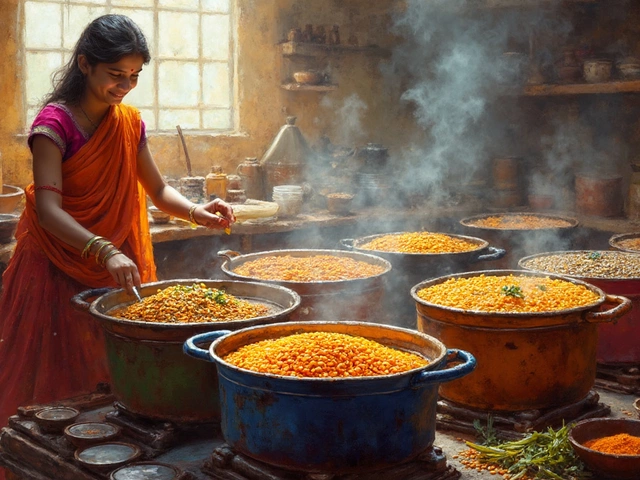
When you think of Indian food, you’re probably thinking of lentils, a staple legume used daily across India as a protein-rich base for meals. Also known as dal, they’re the quiet hero behind breakfast, lunch, and dinner—simple, cheap, and packed with fiber, iron, and plant-based protein. Unlike fancy dishes that need hours of prep, lentils are what most Indian households cook every single day. You’ll find them in homes from Mumbai to Madurai, served with rice, roti, or eaten on their own with a spoonful of ghee and a sprinkle of cumin.
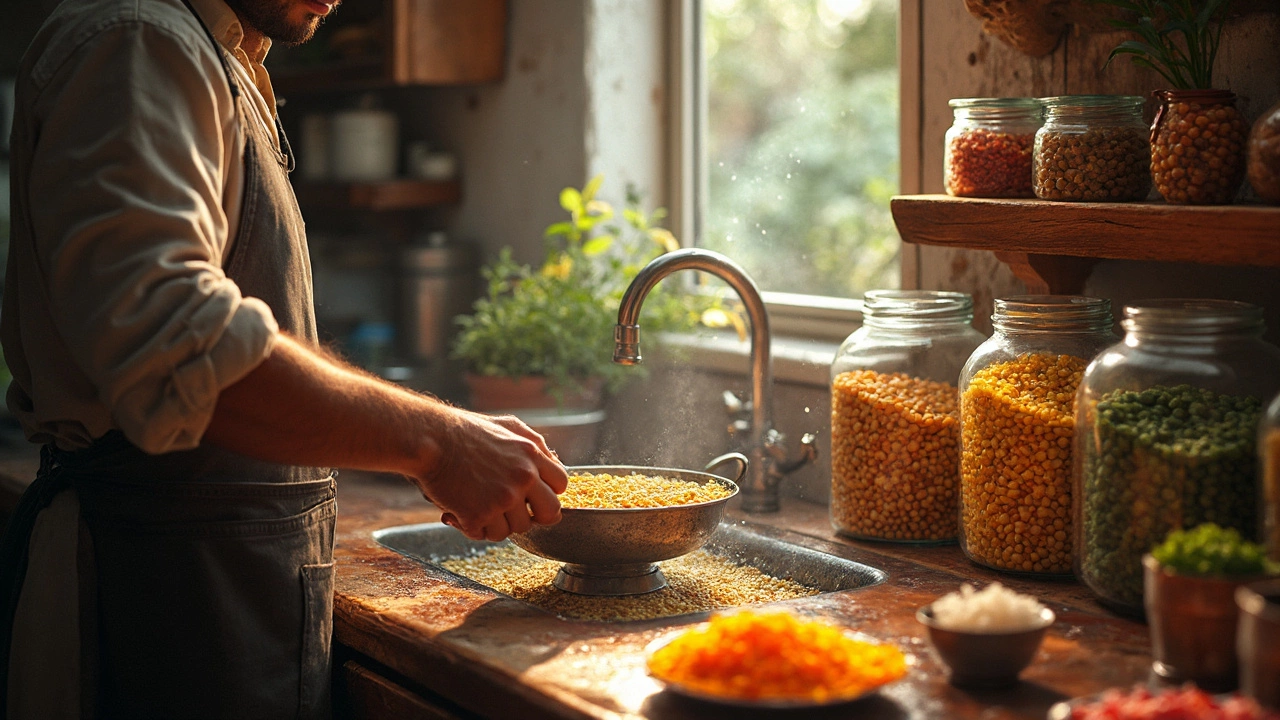
Dal tadka, the most common lentil dish in India, made by tempering cooked lentils with mustard seeds, garlic, and dried red chilies, is the first thing many kids learn to cook. It’s not just food—it’s comfort. And it’s not just one type of lentil. India uses masoor dal, red lentils that cook fast and turn creamy, toor dal, yellow pigeon peas that form the base of sambar, and urad dal, black lentils used for dosa batter and dal makhani. Each has its own texture, flavor, and cooking time. Skip soaking, and you’ll end up with hard, indigestible lentils. Soak them right, and they turn tender in minutes, with less gas and more nutrition.
People often think lentils are boring, but that’s because they’ve never had them done well. The difference between a bland dal and a rich, aromatic one comes down to three things: how you soak it, how you toast your spices, and when you add the final tempering. That sizzle of cumin in hot oil isn’t just flavor—it’s tradition. It’s what turns a bowl of boiled beans into something that makes you close your eyes and sigh.
You’ll find lentils in everything: from the humble lentils served with rice to the slow-cooked dal makhani with butter and cream, and even in snacks like medu vada made from fermented urad dal. They’re the reason Indian vegetarian food works so well—it doesn’t need meat to be filling. With over 400 million vegetarians in India, lentils aren’t a choice—they’re a necessity, and they’re done better here than anywhere else.
Whether you’re trying to eat healthier, cut down on meat, or just want to cook something simple that actually tastes good, lentils are your answer. You don’t need fancy tools. You don’t need 10 spices. Just lentils, water, salt, and a little oil with cumin. That’s it. And if you’ve ever had a hard, chalky dal, it’s not your fault—it’s because no one told you how long to soak them. We’ve got the exact times for every type. We’ve got the tricks to make them creamy without cream. And we’ve got the dishes that make people ask, ‘Where did you learn to cook like this?’
Below, you’ll find real recipes from real kitchens—how to soak dal the right way, why you shouldn’t rinse yogurt off tandoori chicken (yes, it’s related), what makes biryani taste better with lentil-based side dishes, and which Indian curry is actually the healthiest. No fluff. Just what works.