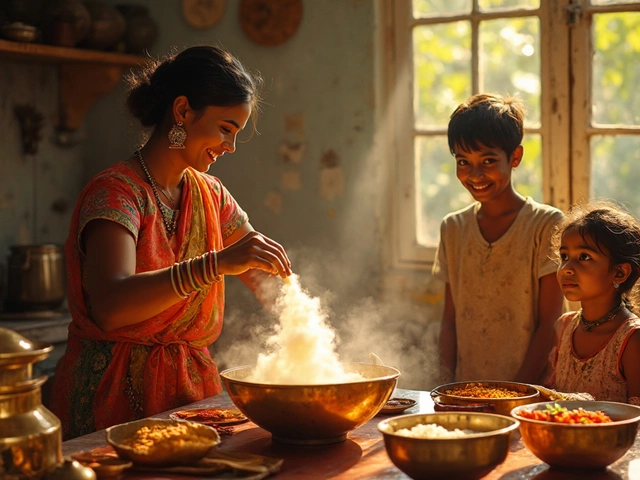
What’s Inside Garam Masala? Traditional Ingredients Explained
Discover what makes garam masala special, its authentic ingredients, how to use it, and tips for making your own blend. Spice up your meals with this guide.
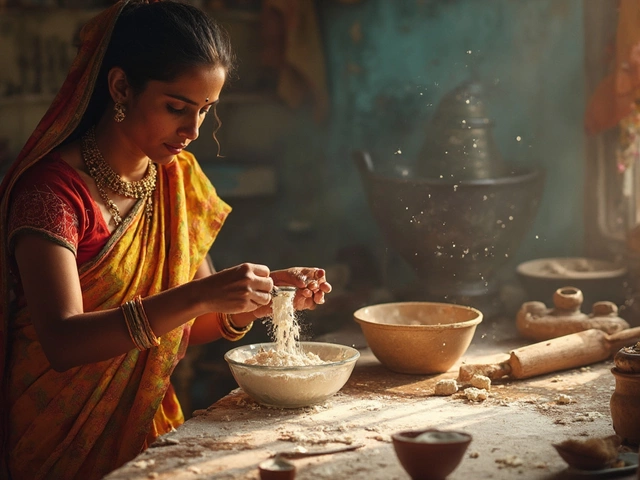
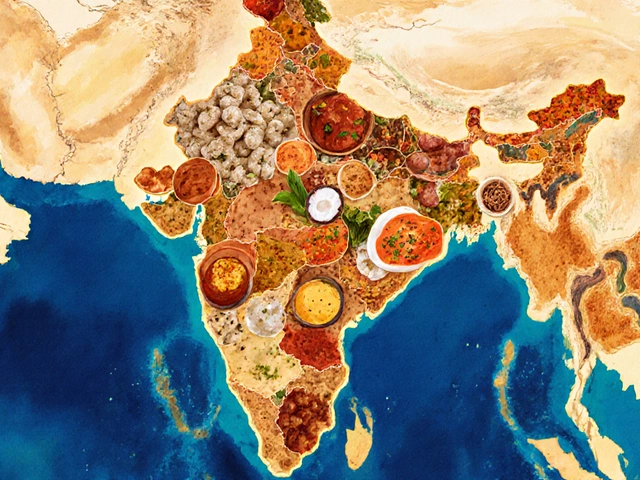
When you think of Indian food, you’re really thinking of Indian spices, the essential aromatics and seasonings that define the flavor, color, and character of every regional dish across the country. Also known as masalas, these aren’t just additives—they’re the foundation. Without them, you don’t have Indian food. You have something else entirely. This isn’t about throwing a pinch of paprika into a pot. It’s about the slow toast of cumin seeds in hot oil, the earthy warmth of turmeric blooming in ghee, the citrusy bite of coriander powder waking up a lentil stew. These are the smells that fill kitchens from Kerala to Punjab, the same spices used for centuries, passed down not in books but in hands.
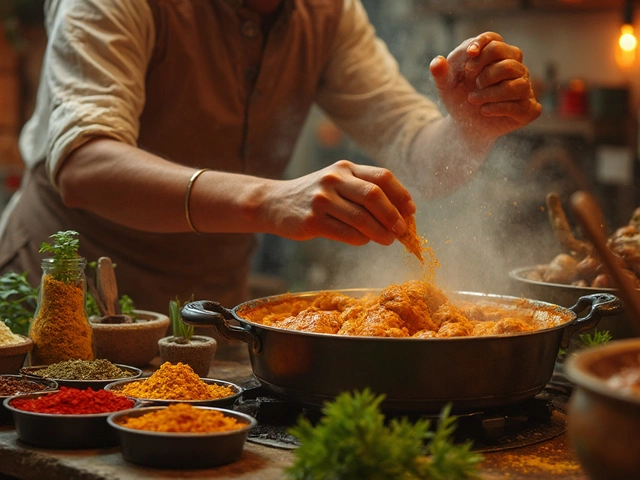
Every Indian spice has a job. Turmeric, a bright yellow root powder with anti-inflammatory properties and a mild, peppery taste, isn’t just for color—it’s a preservative, a digestive aid, and the backbone of dal tadka. Cumin, small, oval seeds with a nutty, slightly bitter aroma, is fried first in oil to unlock its depth, then ground into powders that anchor curries and chutneys. Coriander, the ground seeds of the cilantro plant, offering a citrusy, floral note, balances heat and adds brightness. These aren’t random ingredients. They’re a language. And every dish speaks it differently.
You’ll find these same spices in tandoori chicken, where cumin and coriander mix with garam masala to form a marinade that chars into smoky crusts. You’ll taste them in biryani, layered with whole spices like cardamom and cloves that infuse the rice. Even dishes without curry sauce—like dosa or lemon rice—rely on mustard seeds, curry leaves, and a touch of asafoetida to bring them to life. The blackening inside tandoori chicken? That’s not burn. That’s caramelized spice. The crispness of a perfect dosa? That’s the oil, yes—but also the spice blend in the batter. Even paneer, often seen as plain, becomes unforgettable when marinated in yogurt, ginger, garlic, and ground spices.
There’s no magic wand. No single spice that makes Indian food. It’s the balance. The way turmeric and black pepper work together to boost absorption. How roasting cumin changes its flavor entirely. Why jaggery sometimes replaces sugar in sweets—not just for taste, but because it carries its own mineral-rich depth. These aren’t secrets. They’re science, tradition, and instinct rolled into one.
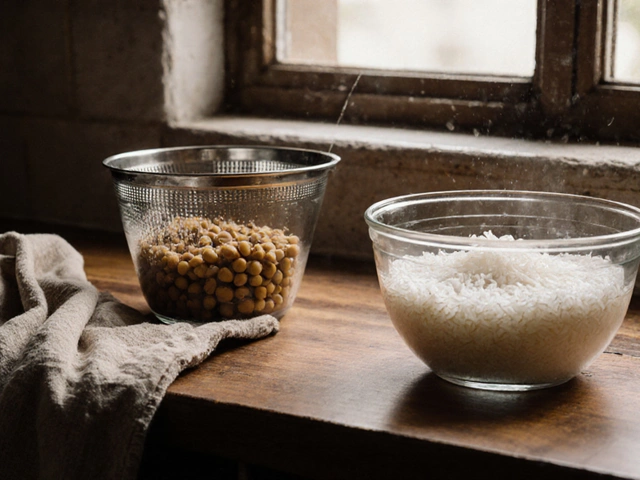
What you’ll find below isn’t a list of spice recipes. It’s a collection of real, practical stories from kitchens across India—why you shouldn’t rinse yogurt off tandoori chicken, how soaking dal changes digestion, what oil gives the crispiest dosa, and why some dishes skip curry sauce altogether. These posts don’t just tell you what spices to use. They show you how to listen to them, how they change with heat, time, and technique. Because in Indian cooking, spices aren’t just added. They’re spoken to.
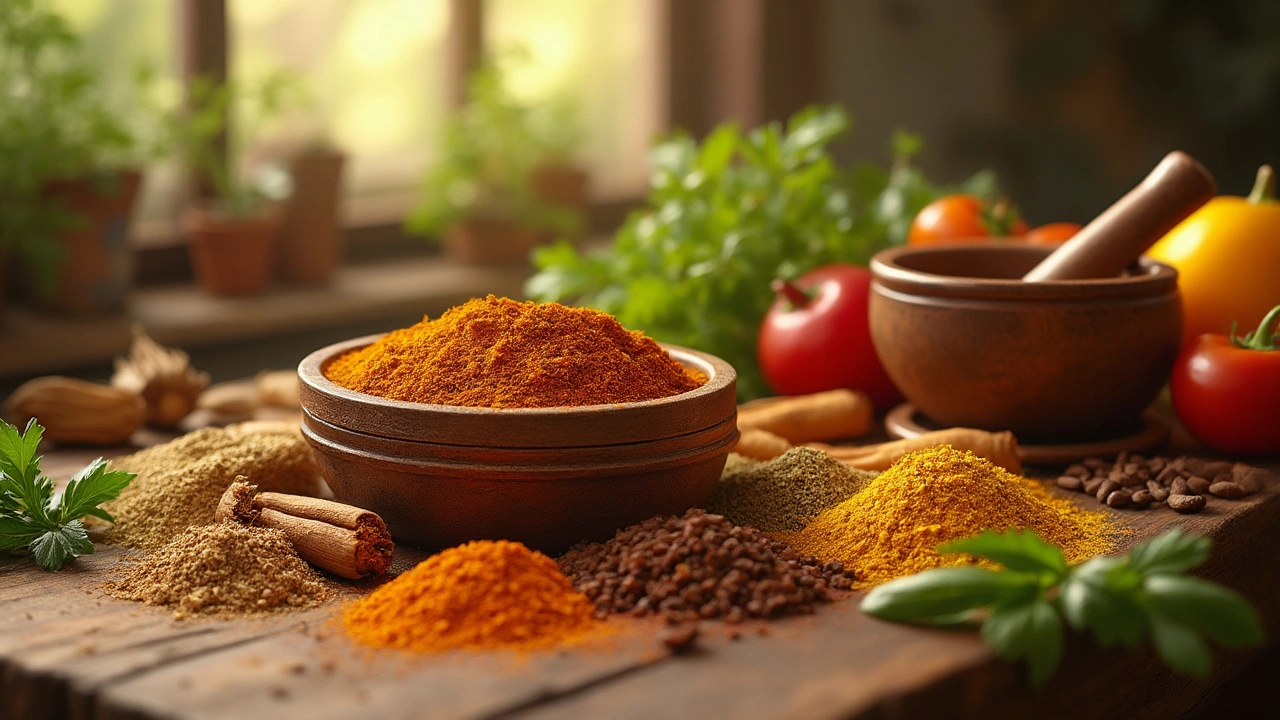
Discover what makes garam masala special, its authentic ingredients, how to use it, and tips for making your own blend. Spice up your meals with this guide.
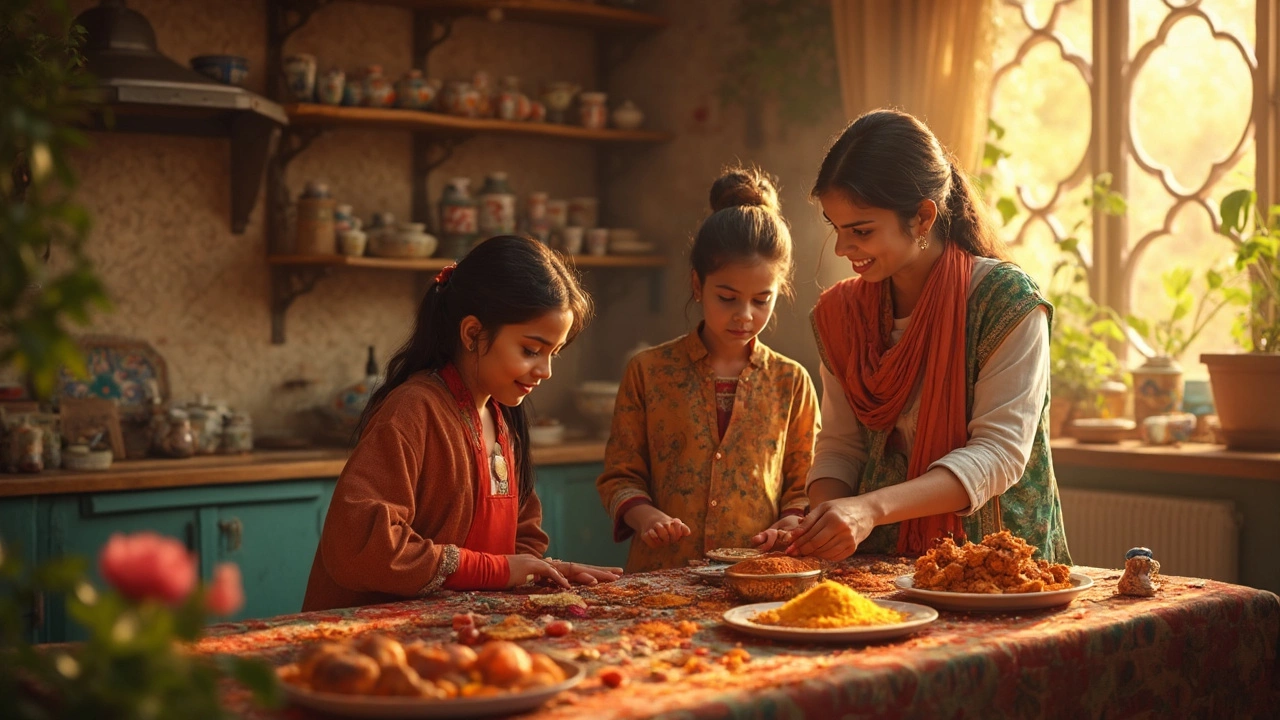
Diving into Indian cooking brings up the delicious question: what's the difference between tikka and tandoori seasoning? These spices bring distinct flavors to dishes, each with its own unique blend and use in the kitchen. Discover how tikka and tandoori add flair to your meals, whether you're marinating chicken or crafting a vegetarian feast. This guide breaks down the essentials so you can spice things up confidently.