Is Tikka Masala Just Curry? The Real Difference Explained
Tikka masala is often called curry, but they're different dishes with unique ingredients, textures, and histories. Learn how to tell them apart and cook each one right.
When people think of Indian food, they often picture one thing: curry, a broad term used outside India to describe spiced, saucy dishes, but not a real category in Indian kitchens. Also known as gravies, these sauces are just one part of a much richer system of flavors that includes chutney, a fresh or cooked condiment made from fruits, herbs, or vegetables, often served as a side or dip, tadka, a tempering of spices in hot oil or ghee that’s poured over lentils or dals to unlock aroma and depth, and masala, a blend of dry spices used as a base for cooking, not a sauce itself but the foundation of many sauces.
Here’s the truth: Indian cooking doesn’t rely on one sauce to rule them all. A plate of dosa comes with coconut chutney and sambar—two completely different things. One is cool, tangy, and fresh; the other is a spiced lentil broth with a thicker body. Tandoori chicken doesn’t come with a sauce at all—it’s the marinade that does the work, and it’s not meant to be served on the side. Meanwhile, dal tadka gets its magic from a splash of cumin, garlic, and dried red chilies sizzled in ghee, poured over simple boiled lentils. That’s not a curry. That’s flavor engineering. And masala? It’s the spice mix you toast before adding water or tomatoes to build a sauce, not the sauce itself. Confusing these terms is like calling all pasta sauces "tomato sauce"—you miss the whole point.
What you’re really seeing across Indian kitchens isn’t a lack of variety—it’s precision. Each sauce or condiment has a job. Chutney cuts through richness. Tadka wakes up bland dishes. Masala builds layers. And yes, some dishes do have thick, creamy sauces—but they’re called butter chicken masala, rogan josh, or korma, not just "curry." The difference matters because getting it right means your food tastes authentic, not like a generic restaurant stereotype. You don’t need to memorize a hundred recipes. You just need to understand the roles these elements play. Below, you’ll find real examples from Indian homes: dishes without curry sauce, how to make paneer taste better with the right marinade, why naan isn’t always the best choice, and how to pick the healthiest curry at a restaurant. These aren’t random tips—they’re pieces of a bigger puzzle. Once you see how Indian sauces and condiments actually work, you’ll never cook or order Indian food the same way again.
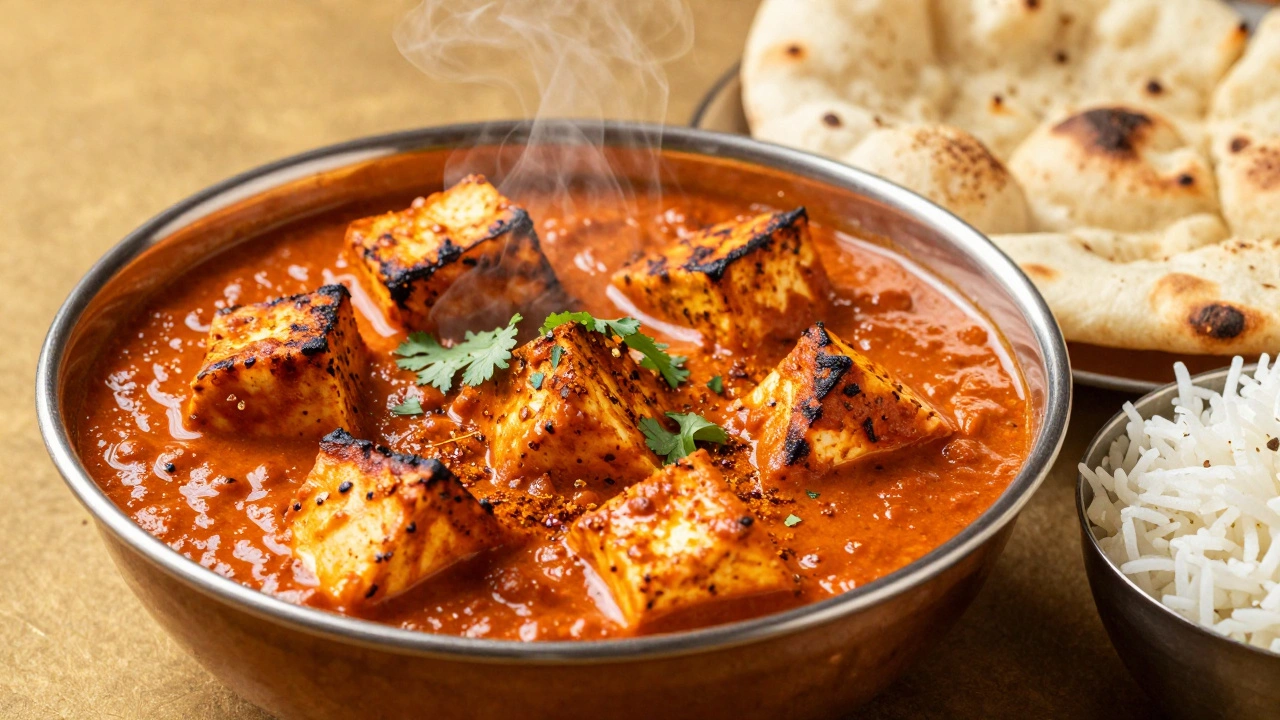
Tikka masala is often called curry, but they're different dishes with unique ingredients, textures, and histories. Learn how to tell them apart and cook each one right.