Is Dal a Carb or Protein? Unpacking the Nutrition of Indian Lentils
Discover if dal is a carb or protein, see macro breakdowns for common varieties, and learn cooking tips to maximize its nutrition.
When you think of Indian food, you might picture rich curries or spicy chutneys, but the real backbone of most Indian meals is Indian dal, a simple, protein-rich lentil dish cooked with spices and tempered with mustard seeds or garlic. Also known as dhal, it’s the one thing you’ll find in every household—from Mumbai slums to Punjabi farms—and it’s often the first dish a child learns to eat. This isn’t fancy food. It’s not meant to be. It’s comfort. It’s fuel. And it’s the reason millions in India eat vegetarian every day without missing meat.
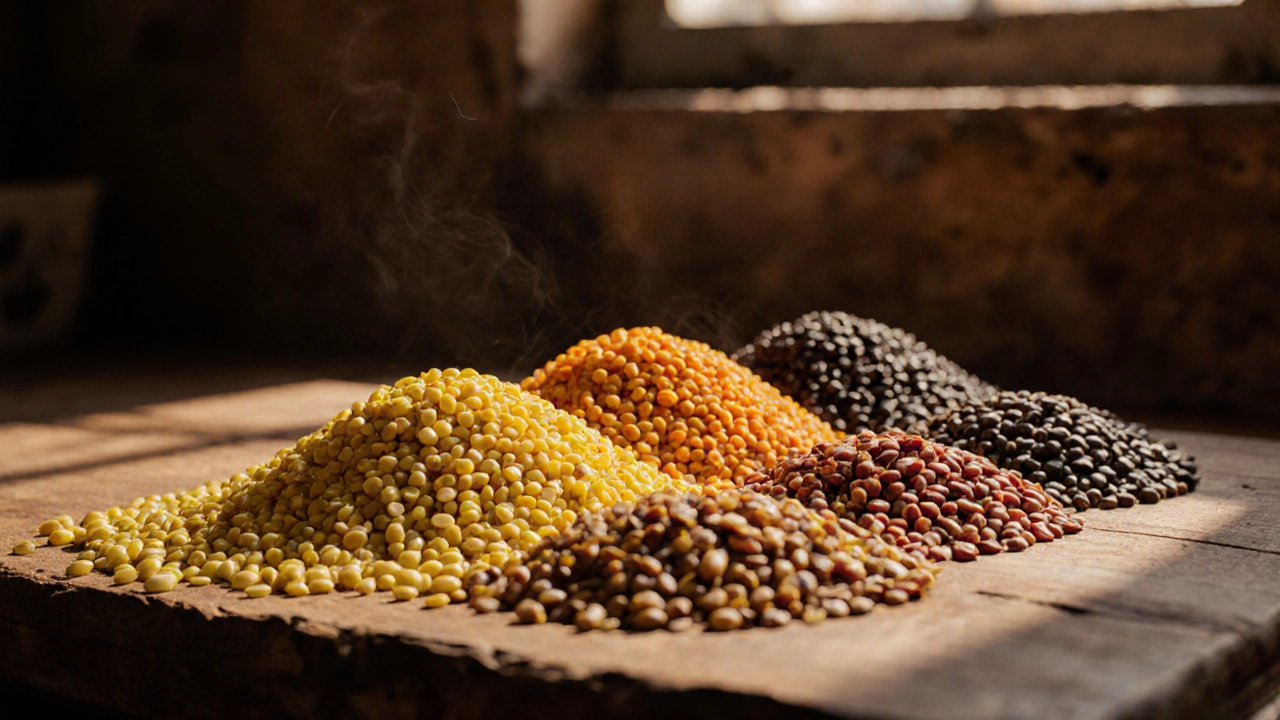
Dal tadka, the most common version of Indian dal, made with toor dal, turmeric, cumin, and a sizzle of ghee, is what most people mean when they say "dal." It’s the dish you eat with roti, rice, or even just a spoon. But dal isn’t one thing. Masoor dal, red lentils that cook fast and turn creamy, is popular in the south. Chana dal, split chickpeas with a nutty bite, shows up in the west. And Urad dal, black lentils used for idli batter and dal makhani, is the slow-cooked star of Punjabi kitchens.
What makes dal work isn’t just the lentils—it’s how you prep them. Soaking time matters. Too short, and your dal stays hard. Too long, and it turns mushy. Heat matters too. A tadka of cumin and dried red chilies poured over hot dal unlocks flavor you can’t get from boiling alone. And yes, the oil you use—whether it’s mustard, coconut, or ghee—changes everything. This isn’t magic. It’s science, passed down through generations.
People think Indian food is all about spice and heat, but dal proves otherwise. It’s mild, balanced, and endlessly adaptable. You can make it creamy or chunky, spicy or plain, with tomatoes or without. It’s the dish you turn to when you’re tired, sick, or just need something real. And it’s the reason why Indian vegetarian cuisine doesn’t just survive—it thrives.
Below, you’ll find real, tested ways to cook dal better. From soaking times that cut cooking time in half, to the exact oil that makes your dal taste like your grandmother’s. You’ll learn why some dals need pressure cookers and others don’t. You’ll see how to fix bland dal, avoid bloating, and make it taste like it’s been simmering for hours—even if you only had 20 minutes. This isn’t theory. It’s what works in Indian kitchens every single day.
Discover if dal is a carb or protein, see macro breakdowns for common varieties, and learn cooking tips to maximize its nutrition.