Indian Cooking Tips: Essential Tricks for Authentic Flavor and Perfect Results
When it comes to Indian cooking tips, practical, time-tested methods that transform everyday ingredients into bold, balanced meals. Also known as home Indian kitchen techniques, these aren’t just tricks—they’re the reason your curry tastes like it came from a Mumbai street stall, not a grocery store.
Take paneer, fresh Indian cheese made from curdled milk. Many people skip marinating it, thinking it’s just tofu. But paneer needs time in yogurt, lemon, and spices to absorb flavor and stay tender. Skip this step, and you get rubbery cubes. Same with dosa batter, fermented rice and lentil mix used for crispy pancakes. It’s not about waiting overnight—it’s about temperature. Cold kitchen? It won’t rise. Hot kitchen? It over-ferments. The right timing turns sour, flat batter into golden, crackling dosas.
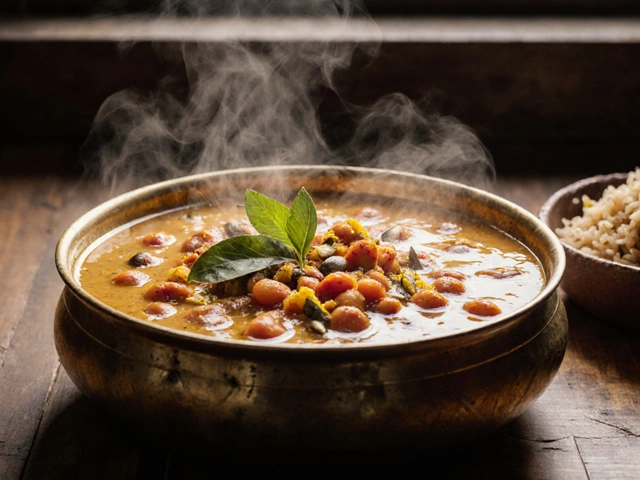
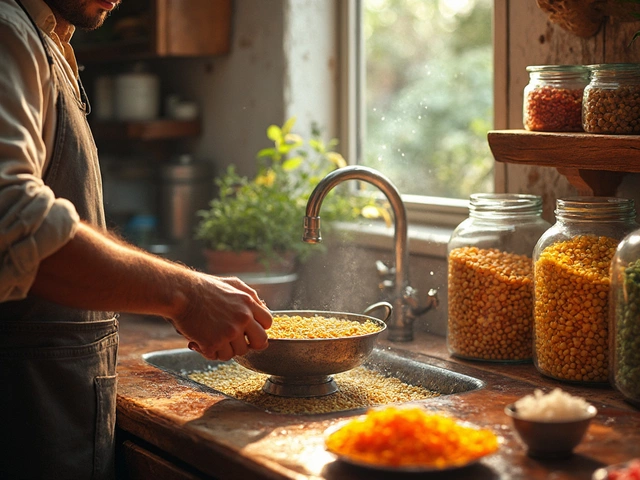
Then there’s dal soaking, the simple act of letting lentils sit in water before cooking. Most people throw dry lentils straight into the pot. Bad move. Soaking for 30 minutes to 2 hours cuts cooking time by half, prevents bloating, and makes the dal creamy instead of chalky. And don’t forget tandoori chicken, charred, spicy chicken cooked in a clay oven. The black spots inside? That’s not burnt. That’s caramelized spices and natural charring from high heat. Washing off the yogurt marinade? That’s how you lose flavor. The yogurt clings to the meat, locks in moisture, and helps the spices stick. You don’t rinse it—you cook it as is.
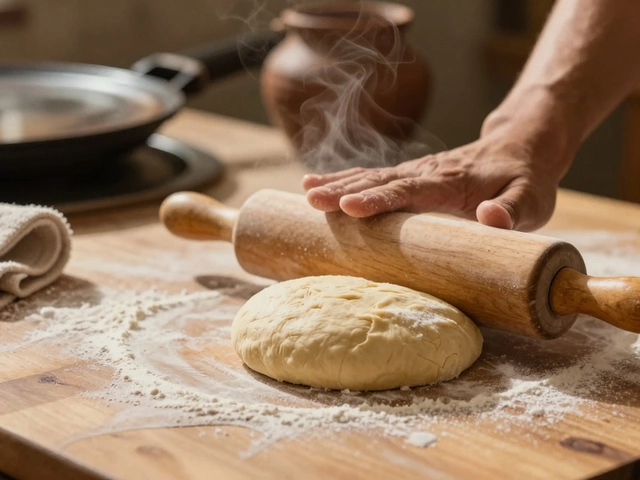
These aren’t random hacks. They’re the quiet rules passed down in Indian kitchens for generations. They’re why your roti puffs up perfectly when rolled thin and cooked on medium heat, not high. Why jaggery gives sweets a deeper sweetness than white sugar. Why groundnut oil makes dosas crispier than olive oil. These tips aren’t about fancy tools or exotic ingredients. They’re about understanding how heat, time, and texture work together.
You’ll find posts here that break down exactly how much milk you need for paneer, why roti has to be round, and which oil gives you the crispiest dosa. You’ll learn how to make biryani taste richer without adding more spice, and why soaking dal isn’t optional—it’s non-negotiable. These aren’t theory lessons. They’re fixes for the real problems you run into: bland chicken, hard lentils, soggy bread, or yogurt that won’t stick. Every tip here is tested, real, and meant to save you time and frustration.