How Much Baking Soda to Add to Dosa Batter? Exact Ratios per Cup and per Kilo
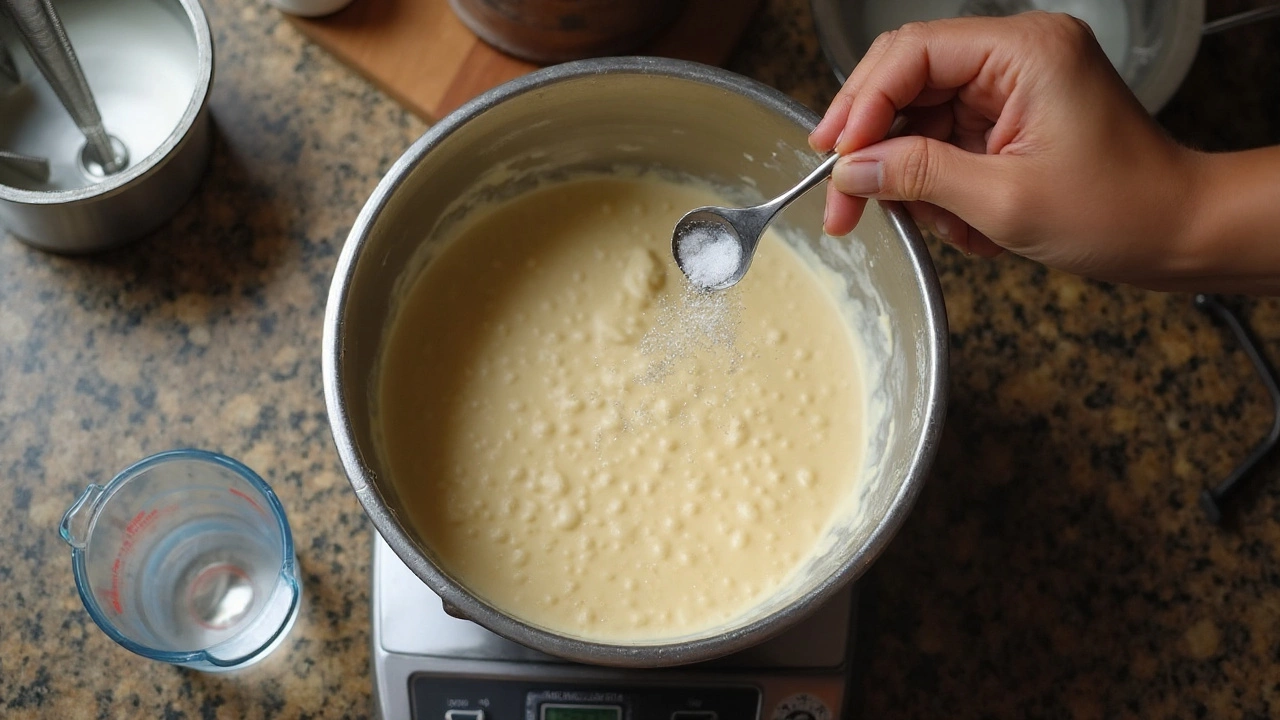
Precise baking soda amounts for dosa batter: per cup and per kilo. When to use it, how to mix, and fixes if you added too much. Crisp dosas without a soapy taste.
When you're making dosa batter, a fermented rice and lentil mixture used to make crispy South Indian pancakes. Also known as fermented dosa batter, it's the foundation of one of India’s most beloved breakfasts. The right amount of baking soda, a leavening agent that speeds up fermentation and boosts crispiness. Also known as sodium bicarbonate, it helps transform thick, slow-fermented batter into light, golden dosas. But adding too much turns your dosa bitter. Too little, and it stays flat and chewy. The sweet spot? 1/4 teaspoon per cup of dry ingredients. That’s it. No more, no less.
This tiny amount works because it reacts with the natural acids in the fermented batter—created by lactic bacteria over 8–12 hours—producing just enough gas to puff the batter slightly without overpowering the flavor. It’s not a substitute for fermentation; it’s a helper. If your batter didn’t ferment well because it was too cold, baking soda gives you a safety net. But if your batter already fermented perfectly in a warm kitchen, you might not need it at all. Many home cooks in Tamil Nadu and Karnataka skip it entirely. Others use it only in winter. The key is understanding your climate, your batter’s smell, and its rise.
Related to this is dosa batter fermentation, the natural process where rice and urad dal break down into gases and acids that make the batter airy and tangy. Also known as natural leavening, it’s what gives dosa its signature sour note and light texture. Fermentation time varies: 8 hours in summer, up to 16 in winter. Temperature matters more than exact measurements. A warm spot near the stove or inside a turned-off oven with the light on works better than any timer. If your batter smells pleasantly sour and doubles in volume, you’re good. Add baking soda only at the end, just before pouring, and mix gently—don’t over-stir. Over-mixing kills the air bubbles you worked hard to create.
And don’t confuse baking soda with baking powder. Baking powder has acid built in—it’s for quick breads, not fermented batters. Using it in dosa batter can leave a metallic aftertaste. Stick to pure sodium bicarbonate. Also, never add it to the soaking stage. Only mix it in after fermentation, right before cooking. This is why some recipes say "add baking soda just before cooking"—they’re not being mysterious. They’re being precise.
What about oil? You’ll find that best oil for dosa, the fat that gives dosa its crunch and flavor. Also known as dosa frying oil, groundnut and coconut oils are traditional for good reason—they smoke at high heat and crisp the edges without burning. But oil won’t fix bad batter. Baking soda won’t fix bad fermentation. The real secret? Patience. Time. And knowing when to add that pinch of baking soda. The posts below cover everything from how long to ferment your batter, to why your dosas stick, to which oils actually work. You’ll find real fixes—not guesses. No fluff. Just what happens when you get the numbers right, and what goes wrong when you don’t.
Precise baking soda amounts for dosa batter: per cup and per kilo. When to use it, how to mix, and fixes if you added too much. Crisp dosas without a soapy taste.