What’s Inside Garam Masala? Traditional Ingredients Explained
Discover what makes garam masala special, its authentic ingredients, how to use it, and tips for making your own blend. Spice up your meals with this guide.
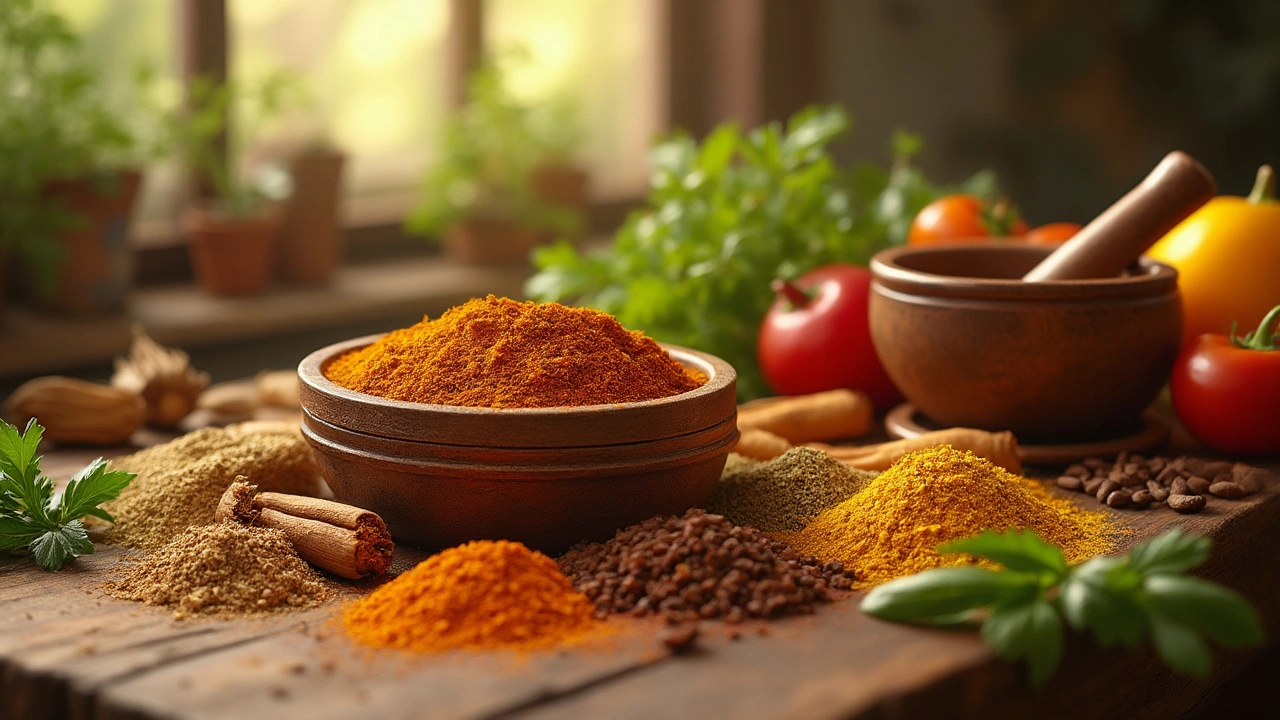
When you think of Indian food, one thing always shows up—homemade garam masala, a warm, fragrant spice blend used in nearly every Indian home kitchen. Also known as Indian warming spice mix, it’s not just another seasoning—it’s the soul of the dish. Store-bought versions often taste flat or dusty because they’ve sat on shelves for months. But when you toast and grind your own—cinnamon, cardamom, cloves, cumin, black pepper—you unlock a depth of flavor that changes everything.
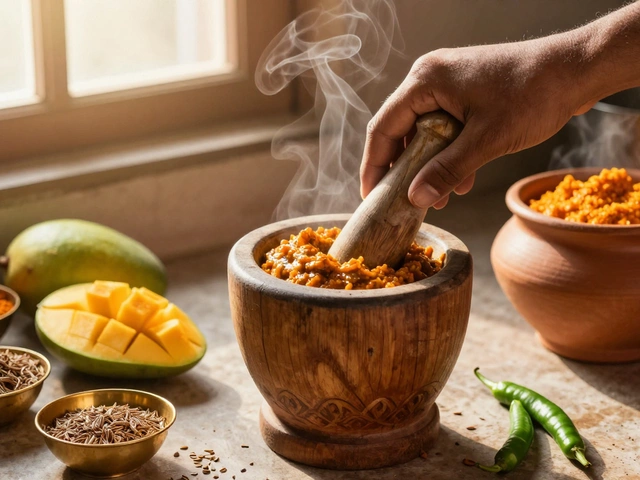
Homemade garam masala isn’t a fixed recipe. It varies by region, family, and even the season. In the north, you’ll find more black cardamom and star anise. In the south, it might lean into coriander and fennel. But the core stays the same: whole spices, lightly toasted, then ground fresh. This isn’t just cooking—it’s a ritual. The smell of cumin seeds popping in a dry pan, the crackle of black peppercorns under the mortar and pestle, the sweet steam of cinnamon rising as you grind—it’s how Indian kitchens have smelled for centuries.
And it’s not just about taste. whole spices, the unground, raw form of spices used to make garam masala. Also known as whole aromatic spices, they retain their oils and volatile compounds far longer than pre-ground powders. That’s why every post in this collection talks about grinding your own—whether it’s for homemade garam masala, a tandoori marinade, or even a simple dal tadka. You’ll find posts that break down exactly which spices go in, how to toast them without burning, and why skipping this step makes your food taste like a shadow of what it could be.
You’ll also see how garam masala, the final ground spice blend used to finish dishes. Also known as warming spice powder, it is added at the end of cooking, not the start. That’s why your biryani, butter chicken, or chana masala tastes richer when the masala is fresh. It’s not magic—it’s chemistry. The heat from the pan wakes up the oils just before serving, releasing aroma that lingers on your tongue.
Some of the posts here show you how to make it with a coffee grinder. Others teach you how to store it so it lasts months, not weeks. You’ll learn why adding a pinch of dry mango powder or nutmeg changes the profile, and why some families never use cloves. This isn’t about following one recipe—it’s about understanding the logic behind the blend.
And if you’ve ever wondered why your curry tastes flat, even with the right ingredients—the answer is almost always the same: your garam masala isn’t fresh. Once you start making it yourself, you’ll never go back. The difference isn’t subtle. It’s the gap between eating dinner and remembering it.
Discover what makes garam masala special, its authentic ingredients, how to use it, and tips for making your own blend. Spice up your meals with this guide.