Using Spoiled Milk to Make Curd - Safe Tips & How‑to Guide
Learn if spoiled milk can be turned into safe, tasty curd, with step‑by‑step instructions, safety checks, and a quick guide to making paneer.
When you make homemade curd, a traditional Indian fermented dairy product made by culturing milk with live bacteria. Also known as yogurt, it’s been a kitchen staple for centuries because it’s cheap, nutritious, and easy to make. But if you skip the basics, even the freshest milk can turn risky. The biggest mistake people make? Assuming that because it’s natural, it’s automatically safe. That’s not true. Spoiled curd doesn’t always smell bad or look weird—it can look perfect and still carry harmful bacteria.
Safe curd starts with clean tools. A dirty bowl or spoon can introduce bad microbes that outcompete the good ones. Always wash everything in hot, soapy water—and rinse well. Use glass or food-grade stainless steel. Plastic can harbor bacteria even after washing. Then there’s the milk. Don’t use raw milk unless you’re boiling it first. Pasteurized milk is safer and gives more consistent results. Heat it to 85°C, then cool it down to 43°C before adding your starter. Too hot, and you kill the good bacteria. Too cold, and they won’t grow. The sweet spot matters.
Fermentation, the natural process where lactic acid bacteria convert milk sugar into acid. Also known as culturing, it’s what turns milk into curd. This takes 6 to 10 hours, depending on room temperature. In winter, you might need a warm spot—a turned-off oven with the light on, or a wrapped towel around the container. Don’t rush it. If it’s not thick after 12 hours, something’s off. And never reuse curd from a batch that sat too long or had mold. Always use fresh starter from a reliable source—like a batch you made yourself within the last 3 days.
Storage, how you keep curd after it’s made. Also known as refrigeration, it’s the final safety step. Once your curd sets, put it in the fridge within an hour. Don’t leave it out overnight. Cold slows down bacteria growth—both good and bad. Use clean, airtight containers. Glass jars with tight lids work best. Label them with the date. Homemade curd lasts 5 to 7 days. After that, the acid levels drop, and harmful microbes can creep in. If you see any mold, slime, or odd smell—pitch it. No exceptions.
Many people think curd is foolproof. But if you’ve ever had stomach upset after eating homemade yogurt, you know it’s not. The good news? It’s easy to get right. Clean tools, clean milk, right temperature, quick chill. That’s it. You don’t need fancy gadgets or expensive cultures. Just attention. And a little patience.
Below, you’ll find real, tested advice from people who’ve made hundreds of batches—what works, what doesn’t, and the little details most guides leave out. Whether you’re new to making curd or you’ve been doing it for years, there’s something here to help you make safer, tastier yogurt every time.
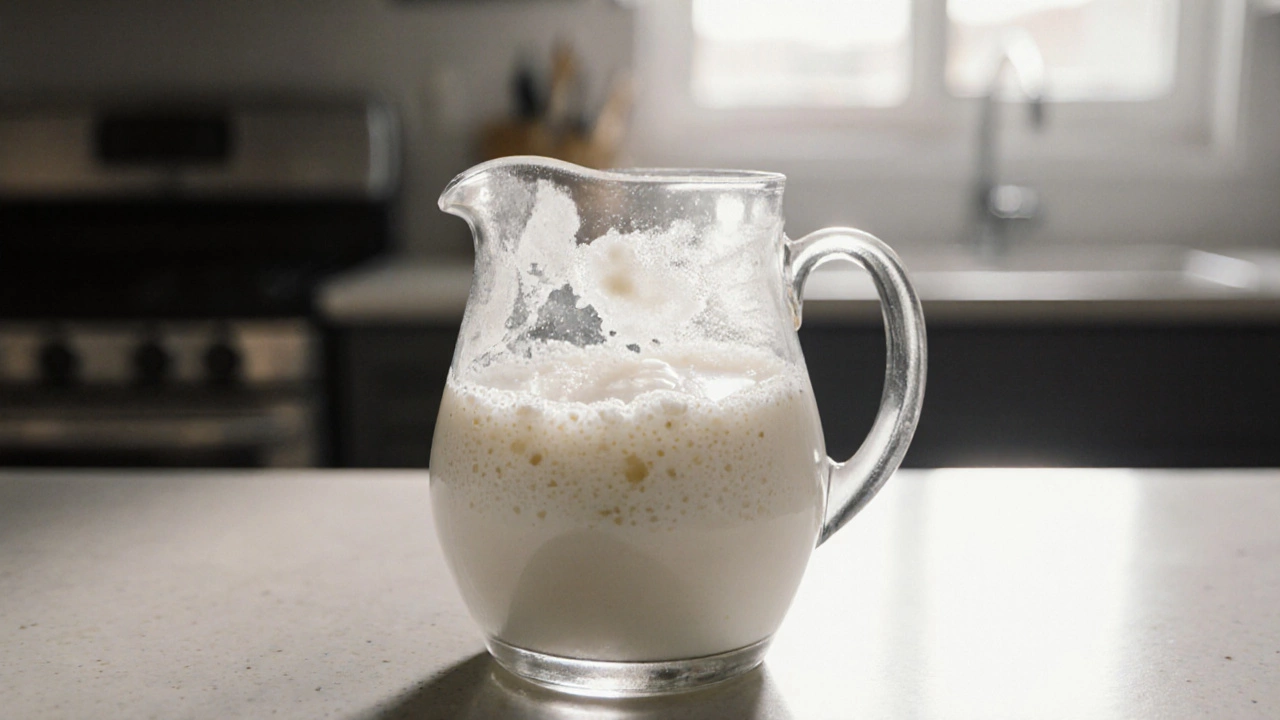
Learn if spoiled milk can be turned into safe, tasty curd, with step‑by‑step instructions, safety checks, and a quick guide to making paneer.