Paneer vs Chena: Key Differences, Uses, and Homemade Tips
What sets paneer apart from chena? Discover the subtle differences, unique uses, and expert tips for making and using these fresh Indian cheeses at home.
When you think of homemade cheese, a fresh, unaged dairy product made by curdling milk with acid or rennet. Also known as paneer, it's the most common type of cheese used in Indian homes—not aged, not melted, but firm, mild, and perfect for frying, grilling, or simmering in gravy. Unlike Western cheeses, it doesn’t need aging or cultures. You don’t need a cheese press or special equipment. Just milk, lemon juice or vinegar, and a cloth. That’s it.
Most Indian households make paneer, a soft, non-melting cheese made by curdling hot milk with acid at least once a month. It’s the base of paneer butter masala, paneer tikka, and even simple stir-fries with peas and potatoes. You’ll find it in kitchens from Delhi to Chennai, and it’s always made fresh—because store-bought paneer often turns rubbery. The key? Milk fat. Whole milk gives you the best yield and texture. If you use low-fat milk, you’ll get less cheese and it’ll crumble too easily. Most people don’t realize you need about 1 liter of milk to make just 200 grams of paneer. That’s why it’s cheaper to make it yourself.
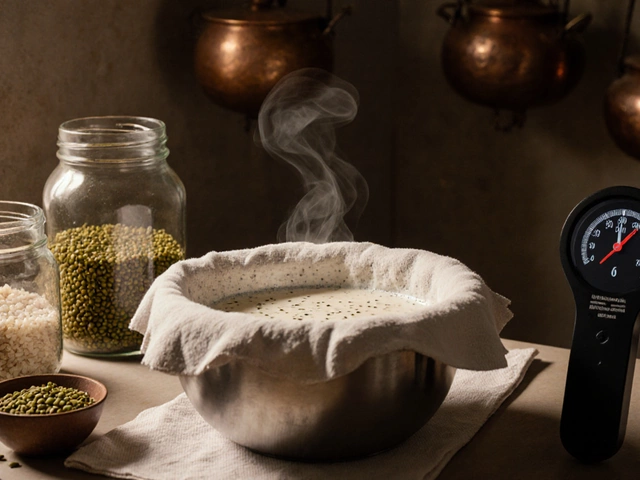
What makes paneer different from other homemade cheese, a broad category of dairy products made by coagulating milk proteins is how it’s pressed. After the curds form, you drain them in a cloth, tie it up, and weigh it down with a heavy pot for 30 minutes. That’s what gives it that solid, sliceable texture. Skip the pressing, and you get something closer to ricotta. Press too hard, and it turns dry. It’s a balance—simple, but not obvious.
And it’s not just paneer. Indian cooking uses other dairy-based cheeses too—like chhena, used in sweets like rasgulla, or the slightly salted, dried cheese in Himalayan regions. But paneer is the one you’ll use every week. It’s the protein-packed swap for meat in vegetarian meals, the thing you fry until golden and toss into spicy sauces. You can even make it with plant-based milk these days, though the texture won’t be the same. Real paneer needs cow or buffalo milk.
People ask if you need to marinate paneer. You do—if you want it tender. Raw paneer can be chalky. A quick soak in warm water or a 15-minute marinade with yogurt and spices makes all the difference. That’s why so many recipes now start with soaking or marinating, not just tossing it into the pan. It’s not a trick. It’s science.
And if you’ve ever wondered why your paneer falls apart in curry, it’s probably because you didn’t press it long enough—or you used milk that wasn’t hot enough when you added the lemon juice. The milk has to be at a full boil. Too cool, and the curds won’t separate cleanly. Too hot, and they’ll turn grainy. It’s a small window, but once you get it, you’ll never buy it again.
Below, you’ll find real, tested ways to make paneer from scratch—no guesswork. You’ll see how much milk you actually need, what oil works best for frying it, how to avoid rubbery texture, and which dishes pair perfectly with it. Whether you’re new to Indian cooking or just tired of bland store-bought cheese, these posts give you the exact steps, the why behind them, and the little tricks that make homemade paneer taste like it came from a Mumbai kitchen.

What sets paneer apart from chena? Discover the subtle differences, unique uses, and expert tips for making and using these fresh Indian cheeses at home.