History of Indian Desserts
When you think of Indian desserts, sweet treats deeply rooted in India’s religious, seasonal, and regional traditions. Also known as mithai, they’re not just sugar and spice—they’re cultural artifacts passed down for centuries. Unlike Western desserts that often focus on cream and butter, Indian sweets thrive on milk solids, jaggery, and slow-cooked syrups, shaped by climate, trade, and spirituality.
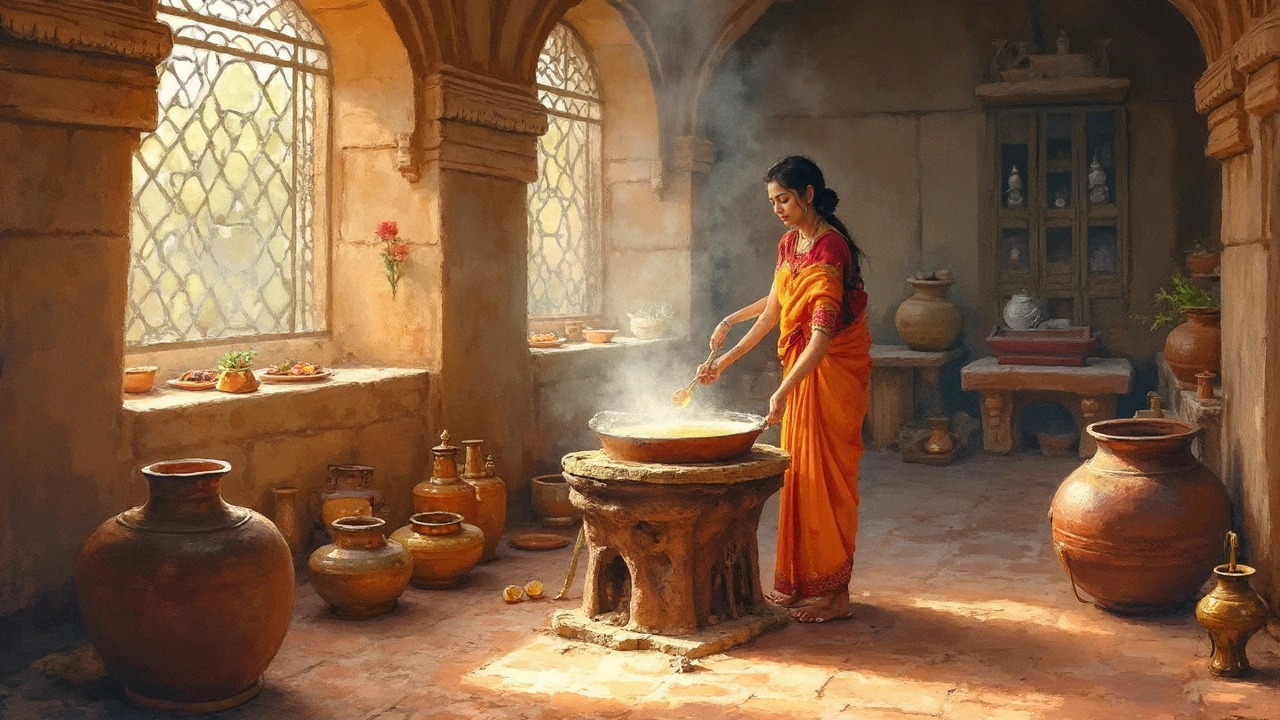
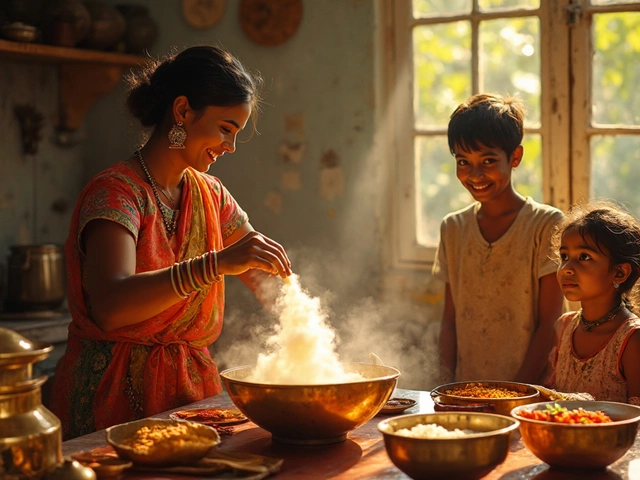
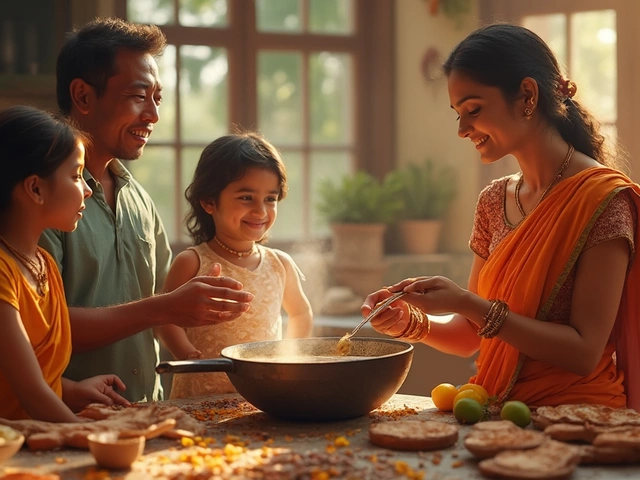
The story begins with jaggery, unrefined cane sugar made from palm or sugarcane juice, used since Vedic times. Long before white sugar arrived via colonial trade routes, jaggery was the backbone of every sweet—whether in temple offerings, wedding favors, or village festivals. Then came khoya, milk reduced for hours until it becomes dense, crumbly, and rich, the secret behind classics like kalakand and barfi. These weren’t invented overnight; they evolved in royal kitchens, temple kitchens, and home hearths where women spent hours stirring pots over low fire, turning simple ingredients into something sacred.
Regional variations tell their own stories. In the south, mysore pak—a golden, buttery fudge made from gram flour and sugar syrup—reflects the precision of Mysore court chefs. In the north, gulab jamun, fried dough balls soaked in syrup, trace back to Persian influences brought by Mughal rulers. The east favors rasgulla, spongy cheese balls in light syrup, born in Bengal’s cottage kitchens. Each region used what it had: coconut in Kerala, date palm jaggery in Odisha, dried fruits in Punjab. Even today, you won’t find the same sweet in two states without a twist.
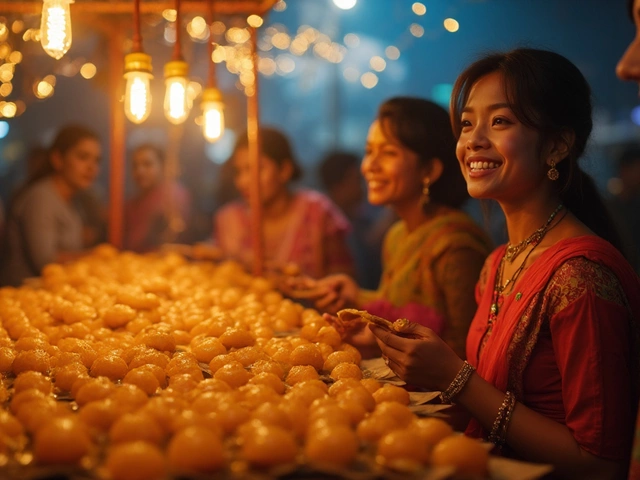
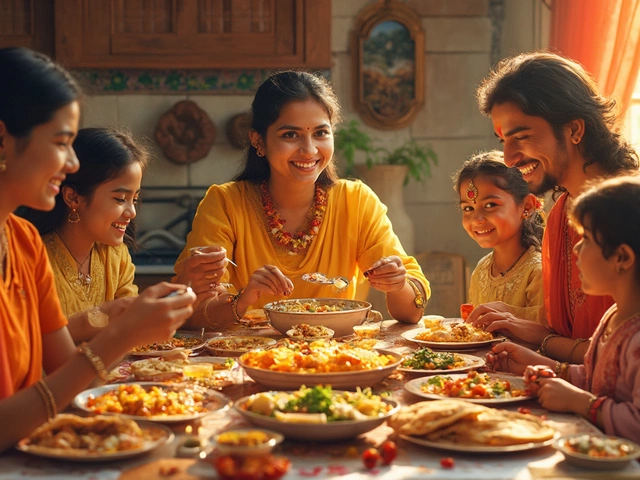
What makes these desserts timeless isn’t just taste—it’s ritual. Diwali isn’t Diwali without ladoo. Eid isn’t complete without sheer khurma. Weddings end with peda. These aren’t snacks—they’re symbols of celebration, gratitude, and continuity. Modern cooks might swap ghee for oil or sugar for honey, but the soul remains: slow, patient, intentional sweetness made with care.
You’ll find all this reflected in the posts below—how sugar choices affect texture, why certain sweets need specific oils, and how techniques passed down for generations still work today. Whether you’re curious about the origins of mysore pak, why jaggery is non-negotiable in some recipes, or how to spot authentic vs. factory-made sweets, the answers are here—not as theory, but as lived experience.