Hindu Sweets: Traditional Indian Desserts Made with Jaggery, Milk, and Faith
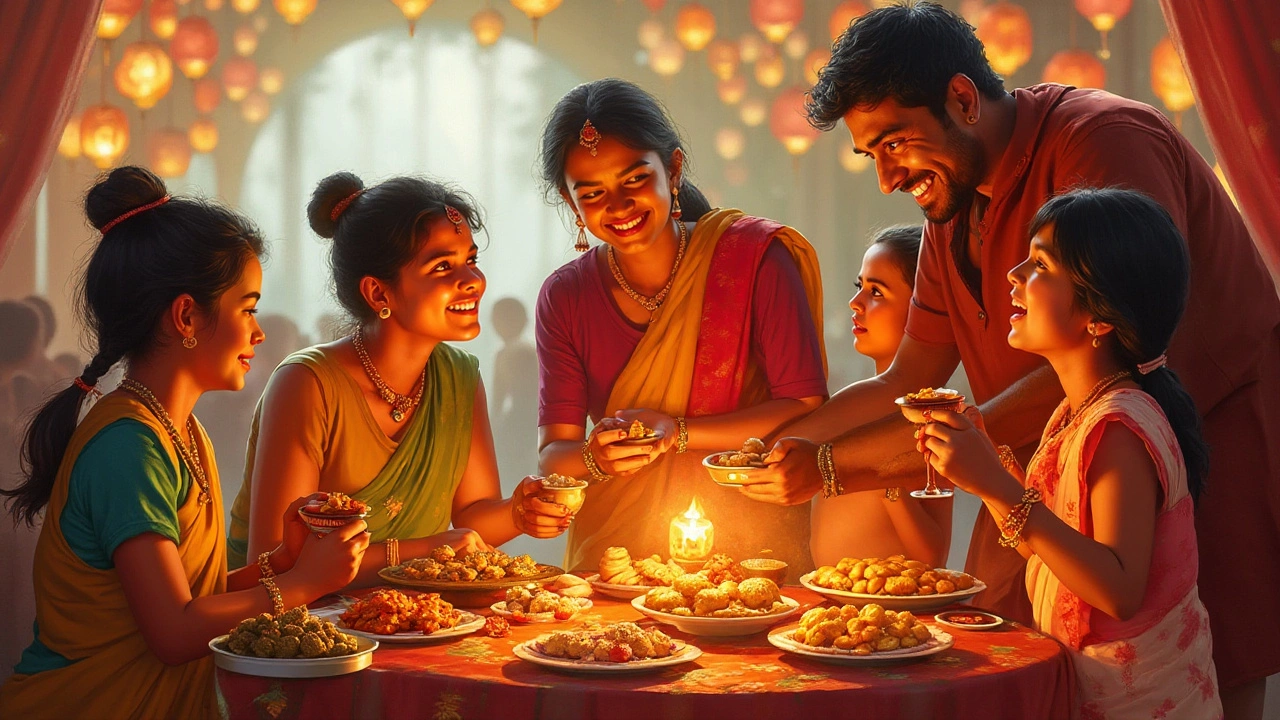
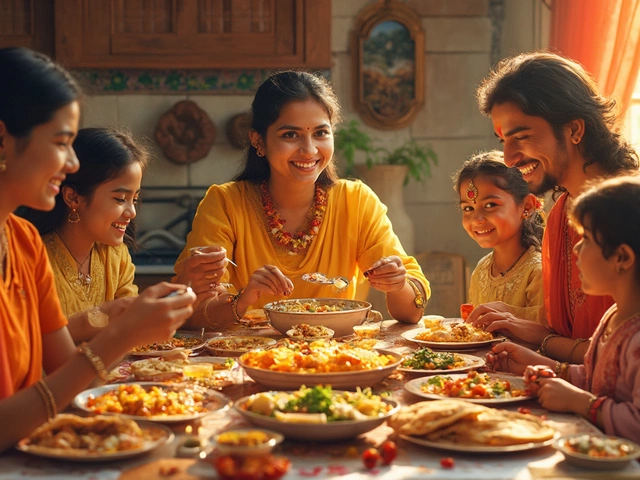
When you think of Hindu sweets, sweet treats deeply tied to religious rituals, family gatherings, and seasonal festivals in India. Also known as mithai, these desserts aren’t just about sugar—they’re about meaning, memory, and tradition. You won’t find them just on dessert carts. You’ll find them offered in temples, handed out after weddings, and given as gifts during Diwali or Holi. These aren’t snacks. They’re symbols.
The heart of most Hindu sweets lies in simple, sacred ingredients: milk, the foundation for paneer, khoya, and condensed dairy bases used in dozens of regional sweets, jaggery, unrefined cane sugar that gives a deep, earthy sweetness no white sugar can match, and sugar syrup, used to soak or glaze sweets like gulab jamun and jalebi for that signature sticky richness. These aren’t interchangeable. Using white sugar instead of jaggery in mysore pak? You’ll get a different texture, a different flavor, and a different experience. That’s why recipes have stayed unchanged for generations.
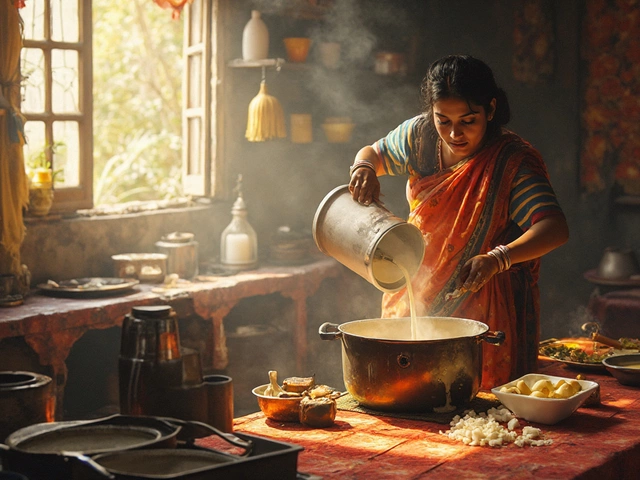
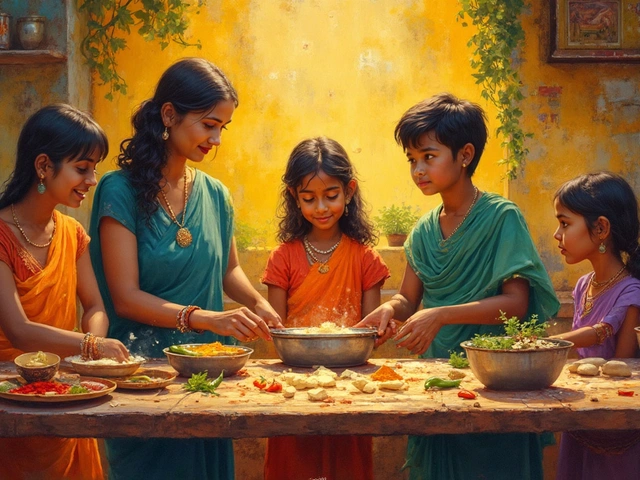
It’s not just about taste—it’s about technique. Making barfi requires slow stirring until the mixture pulls away from the pan. Frying jalebi demands the right oil temperature so the batter swirls perfectly before soaking in syrup. These aren’t tricks—they’re skills passed down through families, often learned by watching a grandmother’s hands. And while modern kitchens have blenders and mixers, many still use copper pots and wooden spoons because they know the difference it makes.
Every region has its own version. In the north, you’ll find gajar ka halwa made with freshly grated carrots and ghee. In the south, payasam thickens with rice or vermicelli and cardamom. In the west, shrikhand is strained yogurt sweetened with sugar and saffron. And in the east, rasgulla floats in light syrup, soft as a cloud. They all belong to the same family, but each tells its own story.
These sweets aren’t just eaten—they’re offered. To gods during puja, to guests during celebrations, to strangers as an act of kindness. That’s why you’ll find them in every Indian home, from village kitchens to city apartments. They’re not fancy. They’re not expensive. But they’re unforgettable.
Below, you’ll find real guides on how to make these sweets right—no guesswork, no shortcuts. Learn why jaggery matters more than white sugar, how much milk you actually need to make paneer for barfi, and which oils work best for frying. Whether you’re making sweets for the first time or just want to understand why they taste the way they do, these posts have you covered.