Essential Curry Spices: The Must‑Have Flavors for Any Curry
Learn the essential spices that define a curry, how each one contributes flavor, storage tips, a quick DIY curry powder recipe, and common substitution tricks.
When you think of essential curry spices, the foundational blend of ground seeds, roots, and pods that give Indian curries their signature depth and warmth. Also known as curry powder base, it’s not a single mix you buy in a jar—it’s the raw, whole spices toasted and ground fresh in homes across India every day. These aren’t just seasonings. They’re the soul of the dish. Skip them, and you’re left with plain food. Get them right, and even simple dal or vegetables turn into something unforgettable.
Take turmeric, the bright yellow root that gives curry its color and earthy bitterness. It’s not just for looks—it’s anti-inflammatory, stable under heat, and ties other spices together. Then there’s cumin, the smoky, nutty seed that’s toasted in hot oil to unlock its full aroma. It’s the first thing you smell when a pot starts sizzling. And coriander, the citrusy, slightly sweet ground seed that balances heat and adds body. Without these three, you don’t have curry. You have spiced water.
These aren’t random picks. They’re the holy trinity of Indian kitchens. Every recipe you’ll find in this collection—whether it’s butter chicken, tarka dal, or chana masala—starts with these. Even dishes that don’t look like curry, like tandoori chicken or dosa batter, use them in small doses to build flavor from the ground up. You’ll see how they’re used differently in South Indian vs. North Indian cooking, how roasting changes their impact, and why buying whole spices and grinding them yourself makes a real difference.
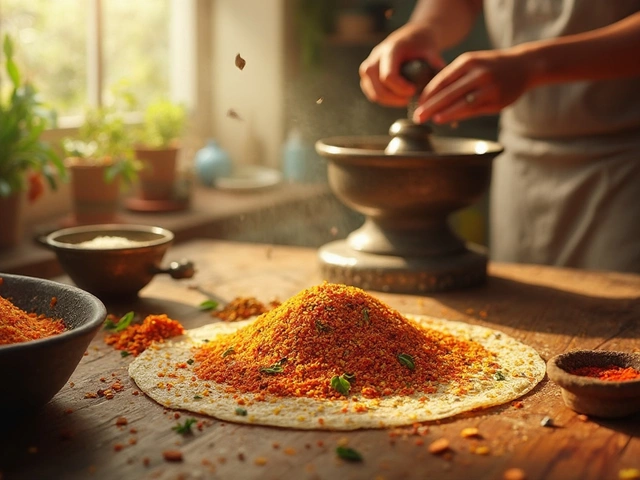
Some people think curry powder is the answer. It’s not. Store-bought blends lose their punch in months. The real magic happens when you toast cumin seeds until they pop, crush coriander with a mortar and pestle, or grind fresh turmeric root. That’s what the posts here teach you—not just what to use, but how to handle it, when to add it, and why skipping a step ruins the balance. You’ll learn why you shouldn’t rinse yogurt off tandoori chicken (it takes the spice with it), how to pick the best oil for frying spices, and why soaking lentils matters just as much as the spices you add.
There’s no mystery here. Just a few key spices, used with care. Once you understand them, you can cook any Indian dish without a recipe. You’ll know when something’s missing—not because you followed a list, but because your nose and tongue remember what’s right. These are the spices that have fed families for centuries. They don’t need fancy names or imported labels. They just need to be in your kitchen, ready to be used.
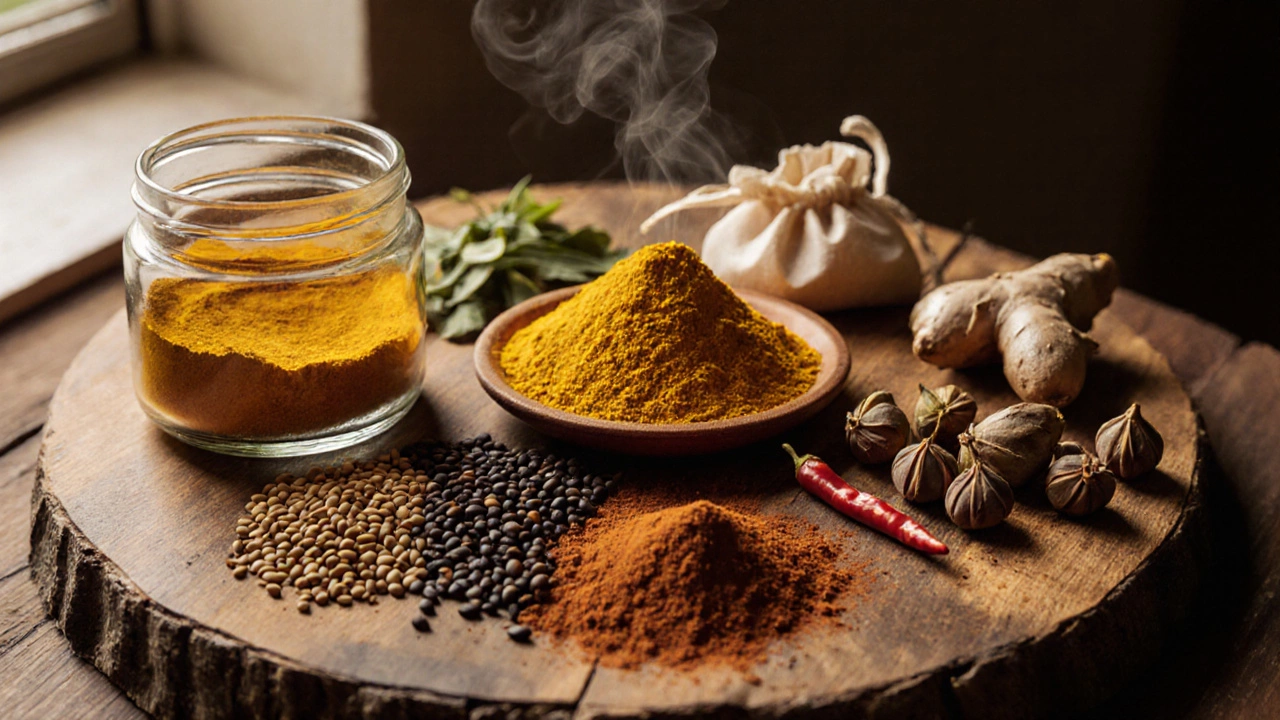
Learn the essential spices that define a curry, how each one contributes flavor, storage tips, a quick DIY curry powder recipe, and common substitution tricks.