English Meaning of Indian Food Terms: Understand Key Culinary Words
When you hear paneer, a fresh, unaged Indian cheese made by curdling milk with lemon or vinegar. Also known as Indian cottage cheese, it's the star of countless home-cooked meals and restaurant favorites.—do you know what it actually is? Many people assume it’s just "Indian cheese," but that’s not enough. Paneer is firm, doesn’t melt, and holds its shape even when fried or grilled. It’s not mozzarella. It’s not feta. It’s its own thing. And if you don’t understand what it is, you’re missing out on half the flavor of Indian food.
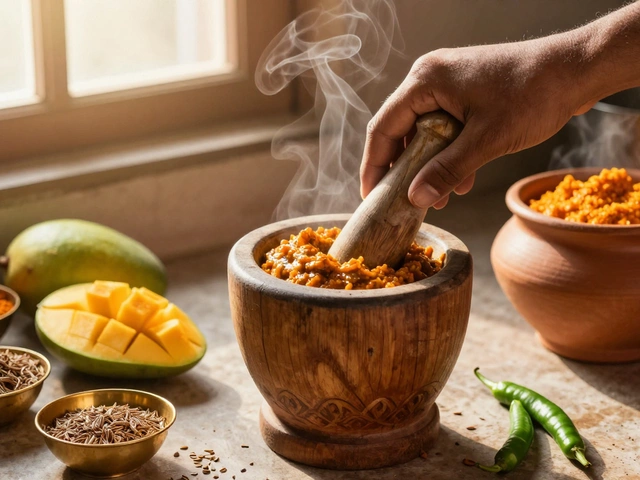
Same goes for dal, a simple, everyday dish made from cooked lentils or split peas, often tempered with spices like cumin and mustard seeds. Also known as lentil stew, it’s not just "soup" or "bean dish." It’s the backbone of Indian meals, served with rice or roti, and eaten daily in millions of homes. Then there’s chutney, a spicy, tangy condiment made from fruits, herbs, or vegetables, used to balance flavors in a meal. Also known as Indian relish, it’s not ketchup. It’s not salsa. It’s something entirely different—bright, sharp, and essential. These aren’t just words. They’re keys to understanding how Indian food works. Without knowing what these terms mean, you’re guessing at recipes, ordering blindly at restaurants, and missing the point of why certain dishes taste the way they do.
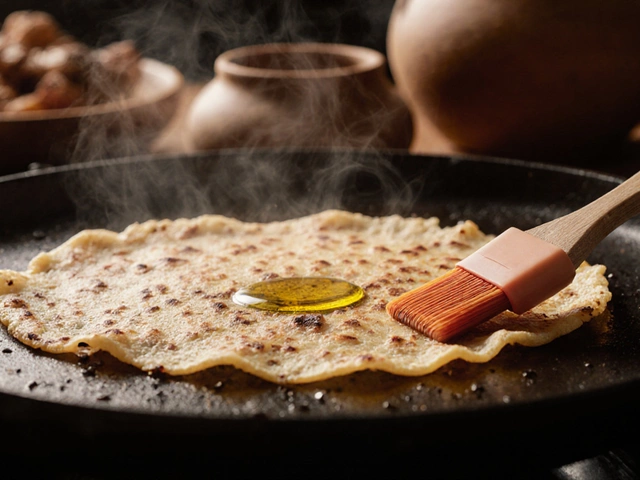
Indian cooking doesn’t rely on fancy techniques or hard-to-find ingredients. It relies on understanding the basics: what paneer does when you fry it, why dal needs tempering, how chutney cuts through richness. That’s why this collection of posts exists—to clear up confusion. You’ll find out why roti has to be round, how much milk you really need for paneer, and why soaking dal matters. You’ll learn what’s actually in Indian sweets, why tandoori chicken turns black inside, and how to pick the healthiest curry without sounding like you’re ordering in a foreign language. This isn’t about memorizing terms. It’s about speaking the language of Indian food so you can cook it, enjoy it, and talk about it without hesitation.
Below, you’ll find real answers to real questions people have every day—no fluff, no jargon, just clear explanations that help you make better food, not just follow recipes. Whether you’re new to Indian cooking or you’ve been trying to nail butter chicken for years, these posts will help you finally understand what you’re eating—and why it tastes so good.