Drink Whey: What It Is, Why It Matters, and How Indian Food Fits In
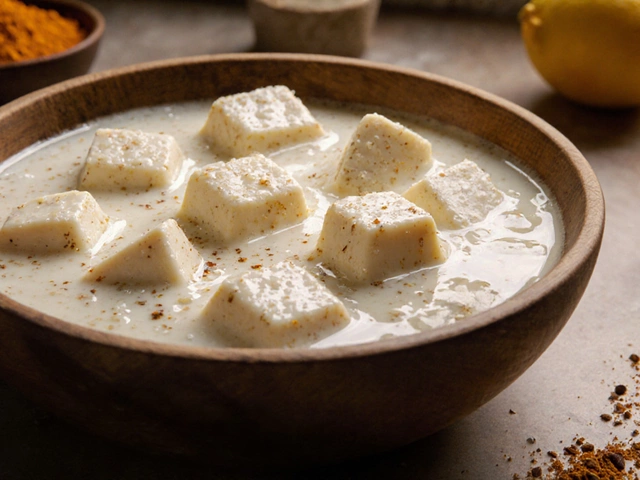
When you drink whey, the liquid left behind after milk is curdled and strained, often used as a protein-rich drink or ingredient. Also known as whey liquid, it’s not just a gym staple—it’s been part of Indian kitchens for centuries, quietly hiding in yogurt, paneer, and even traditional lassi. Most people think whey is something you buy in powder form, but it’s actually a natural byproduct of making cheese or paneer. Every time you make paneer at home, you’re separating milk into solid curds and liquid whey. That clear, slightly tangy liquid? That’s whey—and it’s packed with protein, calcium, and beneficial enzymes.
Indian cooking has always understood the value of using every part of the ingredient. When you strain yogurt to make paneer, you don’t throw out the whey—you might use it to ferment dosa batter, cook dal, or even drink it plain. In rural households, it’s common to sip whey after meals for digestion and energy. Unlike processed protein shakes, natural whey from cow or buffalo milk carries live cultures and amino acids that your body recognizes and absorbs easily. It’s not about supplements—it’s about tradition meeting science. And when you compare it to store-bought whey protein, homemade whey has no added sugars, fillers, or artificial flavors. It’s clean, simple, and tied directly to the dairy practices that define Indian food culture.
Think about it: paneer, a fresh, unaged cheese made by curdling milk with lemon or vinegar. Also known as Indian cottage cheese, it’s the reason you’re familiar with whey in the first place. The same process that gives you soft, crumbly paneer also gives you whey. And yogurt, fermented milk that’s a daily staple across India. Also known as curd, it’s another source of whey—especially when you drain it to thicken it for raita or lassi. These aren’t just foods. They’re systems. Each one works together: milk becomes yogurt, yogurt becomes whey and paneer, whey ferments batter, paneer feeds families. When you drink whey, you’re not just taking a protein boost—you’re tapping into a cycle of food wisdom that’s been passed down for generations.
So why does this matter today? Because people are chasing protein in bottles and packets, while real, natural sources sit right in their fridge. You don’t need expensive powders if you’re already making paneer or yogurt. That whey? Pour it into a glass, add a pinch of salt or a squeeze of lemon, and drink it. It’s cheaper, fresher, and better for your gut. And if you’re cooking Indian food—whether it’s dal tadka, biryani, or tandoori chicken—you’re already surrounded by ingredients that naturally support protein-rich eating. Whey isn’t a trend. It’s the quiet backbone of Indian dairy culture. And now you know how to use it.
Below, you’ll find real posts that show you how Indian recipes connect to whey, paneer, yogurt, and milk—not as isolated ingredients, but as parts of a bigger, smarter way to eat. No fluff. Just practical insights from kitchens that have been doing this right for centuries.