How Long Should Dosa Batter Ferment? Exact Hours Explained
Learn the exact hours needed for dosa batter fermentation, how temperature and starter affect timing, and get troubleshooting tips for perfect dosas.
When you think of dosa, a thin, crispy fermented rice and lentil pancake from South India. Also known as dose, it’s one of the most beloved breakfast foods across India—and for good reason. It’s not just a pancake. It’s a texture miracle: crunchy on the outside, soft underneath, and perfect for soaking up chutney or curry. The magic starts with a simple batter of rice and urad dal, left to ferment overnight. That’s it. No baking powder. No yeast. Just time, warmth, and patience.
But getting that crisp edge? That’s where most people fail. It’s not about the heat—it’s about the oil. groundnut oil, a neutral, high-smoke-point oil commonly used in South Indian cooking gives the best crunch. Coconut oil works too, adding a subtle sweetness that balances the tang of the fermented batter. Avoid olive oil or butter—they smoke too fast and turn the dosa greasy. And don’t pour too much oil. A light brush, just enough to glide the batter, is all you need. Too much, and you’re frying a pancake, not making a dosa.
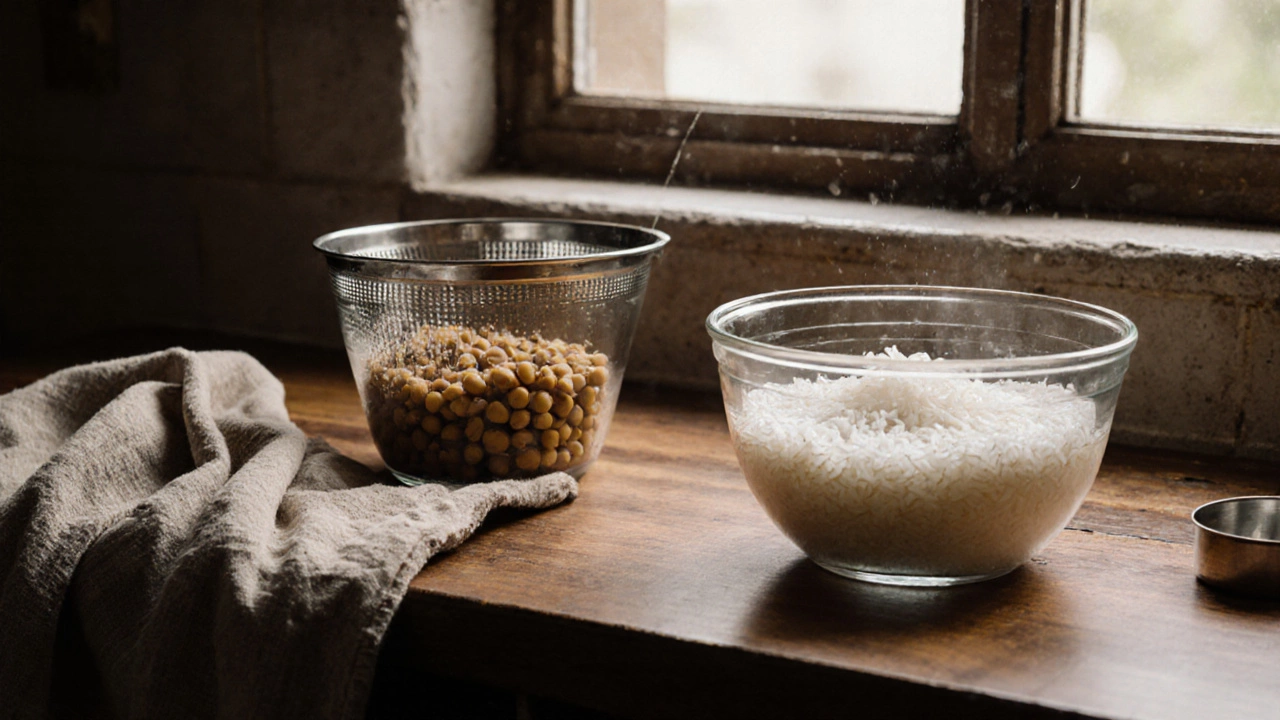
The batter itself needs to be just right. Too thick? It won’t spread. Too thin? It tears. The ideal batter should flow like heavy cream—slow, but steady. And fermentation? That’s non-negotiable. Cold kitchen? Wrap the bowl in a towel and leave it near a warm stove. In 8–12 hours, it should smell slightly sour, look bubbly, and double in volume. If it doesn’t, you’re not making dosa—you’re making rice paste.
Once you get the batter right, the cooking is easy. Heat the pan until it’s hot enough to make a drop of water sizzle. Pour a ladleful, swirl it fast in a circular motion, then drizzle oil along the edges. Wait for the edges to lift and turn golden. Flip it once, if at all. Most dosas don’t need flipping—they cook through from the bottom up. The goal? A crisp, lacy edge with a tender center. Not chewy. Not soggy. Crispy.
And don’t forget the sides. A dollop of coconut chutney, a fresh, creamy condiment made from grated coconut, green chilies, and roasted lentils cuts through the richness. Tomato chutney adds tang. Sambar? That’s the classic pairing—lentil stew with tamarind, drumstick, and spices. Together, they turn a simple dosa into a full meal.
There’s more to dosa than the basic version. Masala dosa? That’s dosa stuffed with spiced potatoes. Rava dosa? Made with semolina for extra crunch. Fermented batter dosa? That’s the real deal. The rest are shortcuts. And if you’re looking for the healthiest version? Skip the oil-heavy versions. Go for plain dosa with lentil sambar and a side of raw onion. It’s protein-rich, gluten-free, and packed with good carbs.
What you’ll find below are real, tested ways to fix the most common dosa mistakes—batter that won’t ferment, oil that smokes too fast, dosas that stick or tear. You’ll learn which oil gives you the crispiest results, how to store batter for days, and why your dosa might be turning out rubbery. No fluff. Just what works.
Learn the exact hours needed for dosa batter fermentation, how temperature and starter affect timing, and get troubleshooting tips for perfect dosas.

Ever wondered if you can make dosa without fenugreek? You’re not alone. This article breaks down what happens when you skip the fenugreek in your batter, what you can use instead, and how to tweak your recipe for the best results. We’ll get into texture, flavor secrets, and foolproof tips to keep your dosas crispy and delicious. Everything is explained simply, with ideas you can try in your own kitchen today.
Struggling to get that perfect fluffy dosa batter? You're not alone! Whether it's the ingredients or the process, small oversights can impact your dosa's fluffiness. This guide breaks down common mistakes and offers simple solutions to up your dosa game. Let's get you flipping those dosas like a pro!
Dosas are a beloved delicacy in many parts of India, and getting the batter just right is crucial for that perfect crispy texture. If your dosa batter turns out rubbery, it can be due to a variety of reasons, including the type of rice or the fermentation process. This article will explore common problems and simple solutions to help you achieve delightful dosas every time. Whether you're a beginner or an experienced cook, these tips are designed to elevate your dosa-making game.
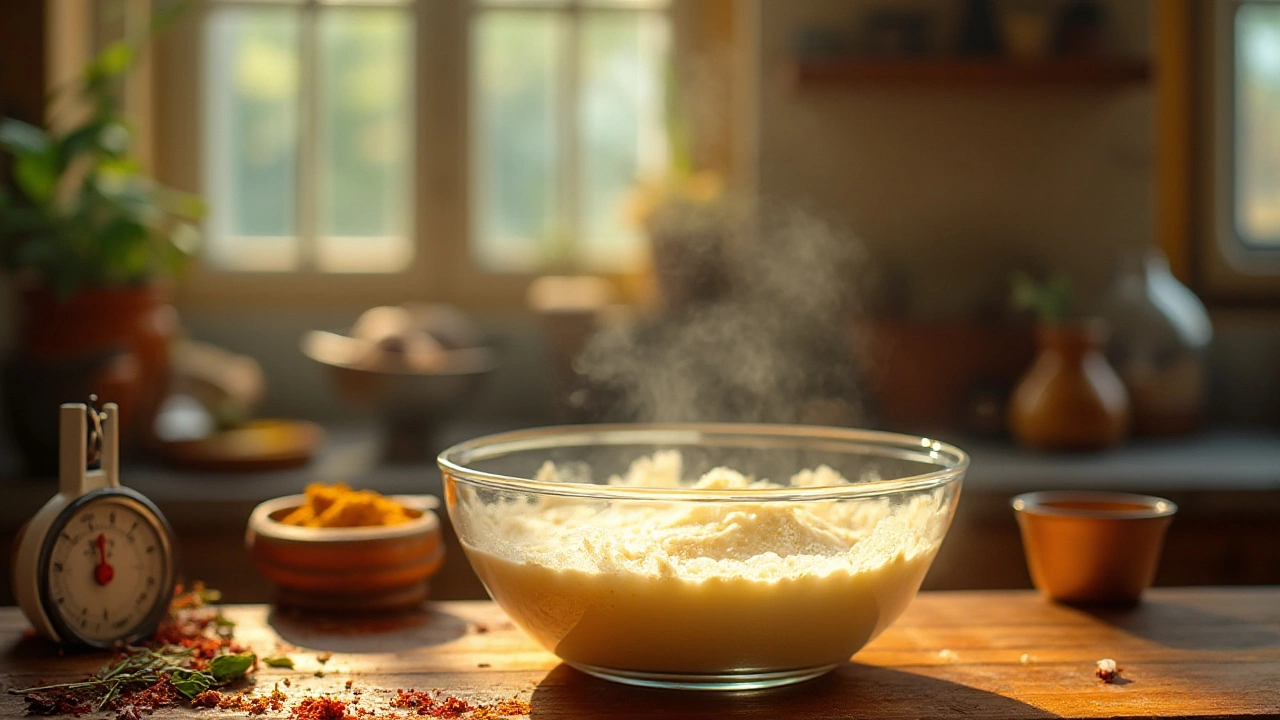
Dosa batter fermentation can often seem like a culinary mystery, especially for those new to the process. Understanding the science behind fermentation, such as temperature control and ingredient ratios, can greatly improve your dosa-making experience. This article explores the common reasons why dosa batter may not ferment properly and offers practical solutions to ensure success. Discover how to tweak your environment and ingredients to create the perfect batter every time. With the right knowledge and tips, preparing delicious dosas will become a seamless part of your cooking routine.