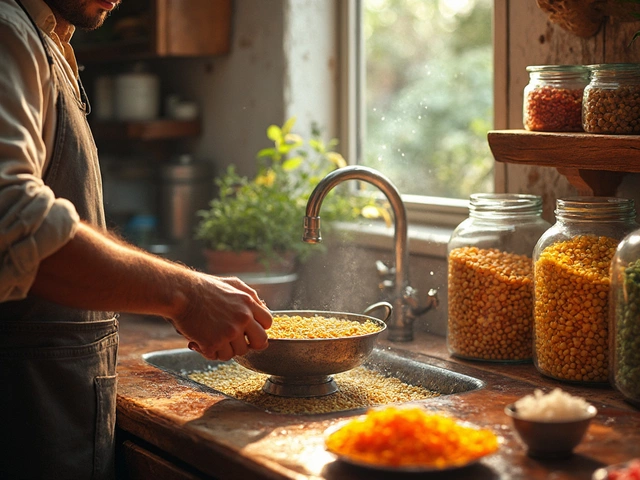
Dosa Batter Tips: Get Crispy, Perfect Dosas Every Time
When you're making dosa batter, a fermented mixture of rice and lentils used to make South Indian crepes. Also known as dosa batter mixture, it's the foundation of one of India's most loved breakfasts. The difference between a soggy, flat dosa and a golden, crispy one isn’t luck—it’s technique. Too many people skip the small details and wonder why their dosas won’t puff or stick to the pan. The truth? It’s all in the batter.
Fermentation, the natural process where microbes break down sugars in the batter to produce gas and flavor. Also known as rising, it’s what gives dosa its lightness and tang. You can’t rush it. If your kitchen is cold, it might take 12 hours. In summer, it could be done in 8. The batter should look bubbly, smell slightly sour, and nearly double in volume. No bubbles? It didn’t ferment right. Add a pinch of fenugreek seeds before grinding—this boosts fermentation naturally. Skip the yeast. Traditional dosa doesn’t need it, and it changes the flavor.
Best oil for dosa, the fat that gives the dosa its crisp texture and rich aroma. Also known as dosa frying oil, it’s not just any oil. Groundnut oil and coconut oil are the winners. They have high smoke points and don’t turn bitter under high heat. Avoid olive oil or sunflower oil—they’ll make your dosa greasy and dull. Heat the tawa properly. A drop of water should dance on it, not sizzle and vanish. Pour the batter from the edge inward in a spiral. Don’t press it down. Let it cook until the edges lift and the surface looks dry. Then flip once—only once.
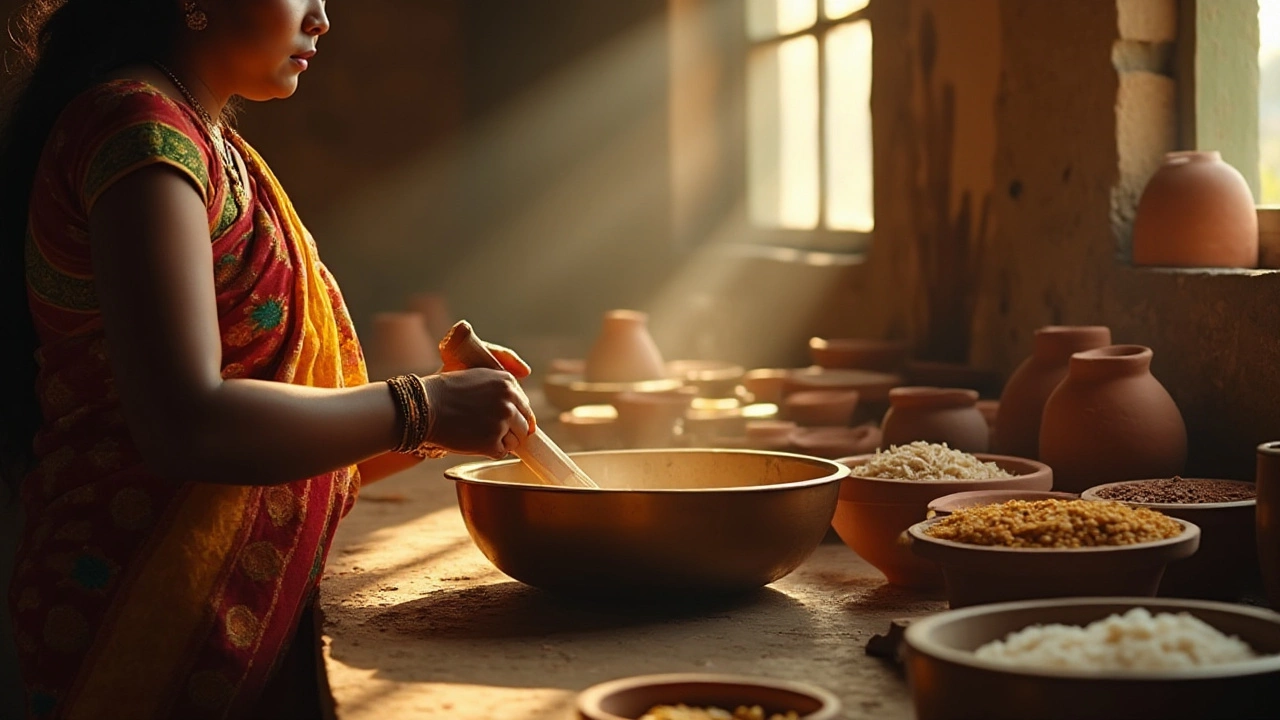
And don’t forget the grind. Use coarse rice and split urad dal in a 3:1 ratio. Soak them separately. Grind the dal first until it’s fluffy and white, then add the rice. The batter should be thick but pourable—not watery, not paste-like. If it’s too thick, add water a tablespoon at a time. Never use hot water. Cold water keeps the fermentation stable.
People think dosa is simple. It is. But only if you respect the process. The batter is alive. It needs time, warmth, and patience. You can’t force it. And you can’t skip the oil. One wrong step and you’re stuck with a rubbery disc. Get these basics right, and your dosas will be crisp on the outside, soft inside, and smell like a street stall in Chennai.
Below, you’ll find real-tested tips from people who make dosas every day—how long to ferment, what to do if it doesn’t rise, which oil works best in winter, and why your batter sometimes smells weird. No fluff. Just what works.