Diet Tips for Indian Food: Smart Eating with Traditional Flavors
When people think of diet tips, practical strategies for eating better without giving up flavor or culture. Also known as healthy eating habits, these aren’t about starvation or cutting out entire food groups—they’re about making smarter choices within the meals you already love. Indian food doesn’t have to be the enemy of your health. In fact, many traditional dishes are naturally balanced, packed with fiber, protein, and spices that help digestion and metabolism. The problem isn’t the food—it’s how we’ve changed it. Creamy sauces, deep-fried snacks, and refined flour breads turned wholesome meals into calorie traps. But the original versions? They were built for energy, not excess.
Take vegetarian diet India, a way of eating rooted in centuries of culture, religion, and resourcefulness. Also known as plant-based Indian eating, it’s one of the most sustainable and nutrient-rich patterns in the world. Over 400 million people in India follow this lifestyle, and they don’t survive on salads—they eat dal, roti, vegetables, lentils, and yogurt. These foods are high in protein, low in saturated fat, and full of fiber. The real trick? Keeping them simple. Skip the butter-laden paneer butter masala and go for tarka dal. Swap naan for roti. Choose lemon rice over fried biryani. You’re not giving up flavor—you’re reclaiming it.
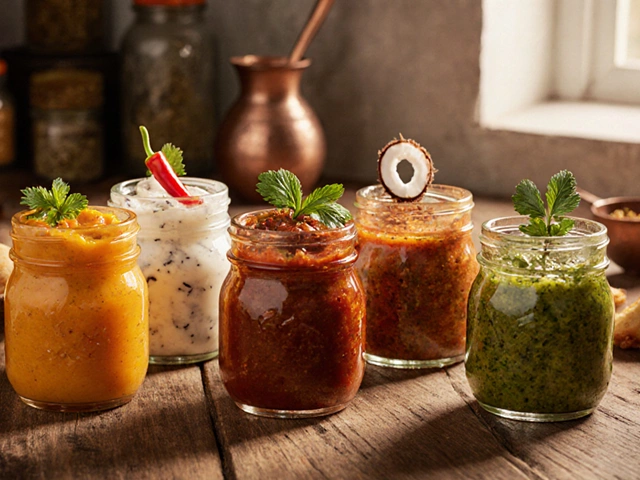
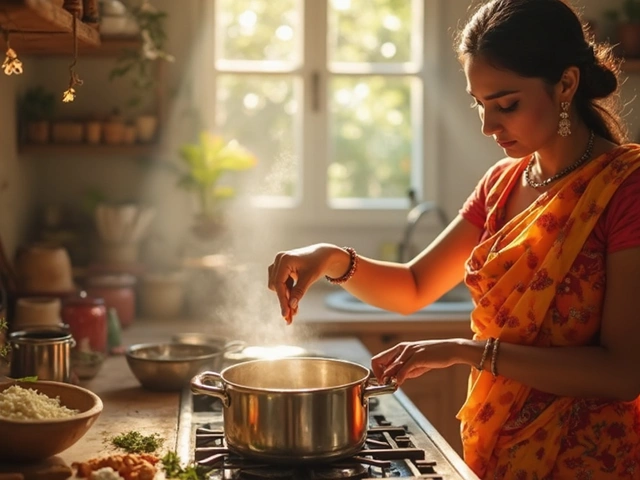
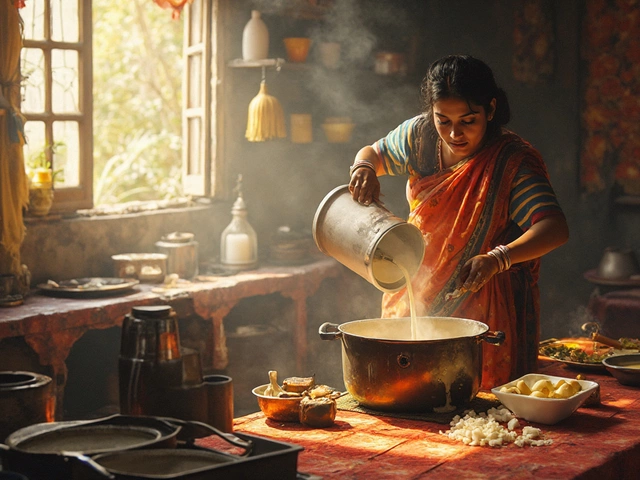
And it’s not just about what you eat—it’s how you prepare it. Indian diet, the everyday eating pattern of millions across India’s regions. Also known as traditional Indian meals, it thrives on soaking lentils, toasting spices, fermenting batter, and using healthy oils like coconut or groundnut. These aren’t just cooking steps—they’re nutrition hacks. Soaking dal reduces cooking time and improves digestion. Toasting cumin and mustard seeds unlocks antioxidants. Using less oil doesn’t mean less taste—it means better absorption of fat-soluble vitamins. Even something as simple as choosing jaggery over white sugar in sweets makes a difference over time.
You don’t need to eat like a monk to eat well. Start small: swap one fried snack for a bowl of pani puri, replace white rice with brown or red rice once a week, drink lassi instead of soda. These aren’t drastic changes—they’re upgrades. And the best part? You’re still eating food that tastes like home.
Below, you’ll find real, tested advice from people who cook these meals every day. No gimmicks. No detoxes. Just clear, practical ways to make Indian food work for your body—whether you’re trying to lose weight, manage blood sugar, or just feel better after meals. You’ll learn which curries are actually healthy, how to make paneer taste great without soaking it in cream, and why the shape of your roti might be helping you digest better. This isn’t about perfection. It’s about progress—one bite at a time.