Dal Quantity: How Much You Need for Perfect Lentil Meals Every Time
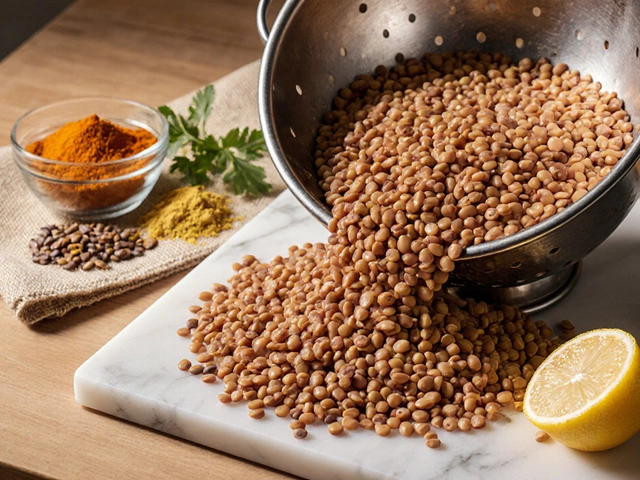
When you’re cooking dal, a staple lentil dish in Indian homes made from split pulses like toor, moong, or masoor. Also known as lentils, it’s the backbone of everyday Indian meals—simple, nourishing, and deeply comforting. But get the dal quantity wrong, and you end up with a soupy mess or a dry, grainy pile. It’s not just about how many cups you throw in—it’s about matching the amount to your pot size, water ratio, and how you plan to serve it.
Most Indian households use 1 cup of dry dal, a standard measure that yields about 2 to 2.5 cups of cooked lentils for 3 to 4 people. That’s the sweet spot for dal tadka, the most common version you’ll find in homes across India. If you’re making dal makhani, which is richer and creamier, you might use the same amount but add more liquid and time to break down the lentils fully. For a thinner soup-like dal, like the ones served in South India, you might stretch 1 cup of dal into 4 cups of water. But if you’re cooking for one or two, half a cup of dry dal is usually enough—no need to waste or end up with leftovers you won’t eat.
The soaking time, a step that affects how much water dal absorbs and how quickly it cooks also changes how much you need. Soaked dal swells, so if you skip soaking, you’ll need more water and longer cooking. That means your final quantity might not match what the recipe says. And don’t forget the type—masoor dal cooks faster than chana dal, so the water-to-dal ratio shifts. Even the age of your dal matters. Old lentils drink more water and take longer to soften, so you might need to add a splash extra.
What you cook dal with matters too. If you’re adding tomatoes, spinach, or coconut milk, those bring their own moisture. That’s why experienced cooks start with less water than the recipe suggests and add more as needed. The goal isn’t to fill the pot—it’s to get that creamy, spoonable texture where the dal holds together but still melts on your tongue. And if you’re pairing it with rice or roti, the dal should be thick enough to cling to the bread or soak into the grains without turning your plate into a puddle.
You’ll find all this and more in the posts below—from exact dal quantities for different types of lentils, to how soaking affects yield, to why some dals need more water than others. Whether you’re making a quick weeknight meal or prepping for a big family dinner, you’ll walk away knowing exactly how much dal to use—and how to make it taste like it’s been simmering for hours, even if it took 20 minutes.