How Long Should I Soak Dal Before Cooking? Best Times for Every Type
Learn the right soaking times for different types of dal to cook faster, digest better, and get creamy results every time. No more hard lentils or bloating.
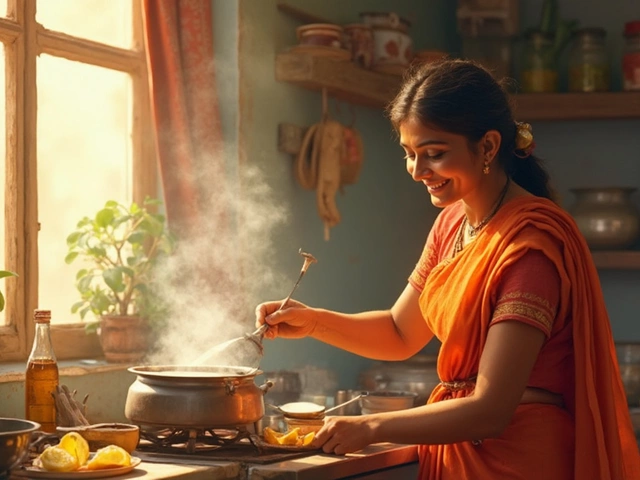
When you think of dal preparation, the everyday cooking of lentils into comforting, protein-rich meals. Also known as lentil cooking, it’s the foundation of Indian home kitchens—from bustling cities to quiet villages. This isn’t fancy cooking. It’s the kind of meal your grandmother made without a recipe, using just lentils, water, turmeric, and a tempering of cumin and garlic. And yet, it’s one of the most important dishes in Indian cuisine because it’s balanced, affordable, and nourishing.
Dal tadka, a specific style of dal preparation where cooked lentils are finished with a sizzling spice oil, is the most common version you’ll find in Indian homes. It’s not just flavor—it’s function. The hot oil releases the oils in mustard seeds, cumin, dried chilies, and curry leaves, making every bite more aromatic and digestible. This isn’t decoration. It’s traditional food science. Then there’s lentil recipes, a broad category covering everything from creamy dal makhani to thin, spicy sambar. Each region in India has its own version, using different lentils: red masoor dal, yellow toor dal, green moong, or even black urad dal. The type of lentil you choose changes the texture, cooking time, and even the health benefits. Moong dal cooks fast and is gentle on the stomach. Urad dal is rich in iron and makes the creamiest dal. And toor dal? It’s the backbone of dal tadka because it holds its shape and absorbs spices beautifully.
Dal preparation doesn’t need fancy tools. A pot, a stove, and patience are enough. But the real secret? Don’t rush the tempering. Let the oil get hot enough so the spices pop and smell sweet, not burnt. And never skip rinsing your lentils—leftover dust can make your dal gritty. Most people think dal is just a side dish, but it’s often the main course. In households where meat is rare or avoided, dal is the protein anchor. It pairs with rice, roti, or even plain bread. It’s the dish you eat when you’re sick, when you’re tired, or when you just need something warm and real.
What you’ll find in the posts below isn’t just recipes. It’s the why behind every step. Why does your dal turn mushy? Why does some dal taste flat even with all the spices? Why do some people soak lentils and others don’t? You’ll see how dal preparation connects to bigger ideas—like what makes an Indian dish healthy, how to get the best texture without cream or butter, and why this simple dish is often the first thing beginners learn in Indian cooking. These aren’t abstract tips. They’re the kind of details that turn good dal into unforgettable dal.
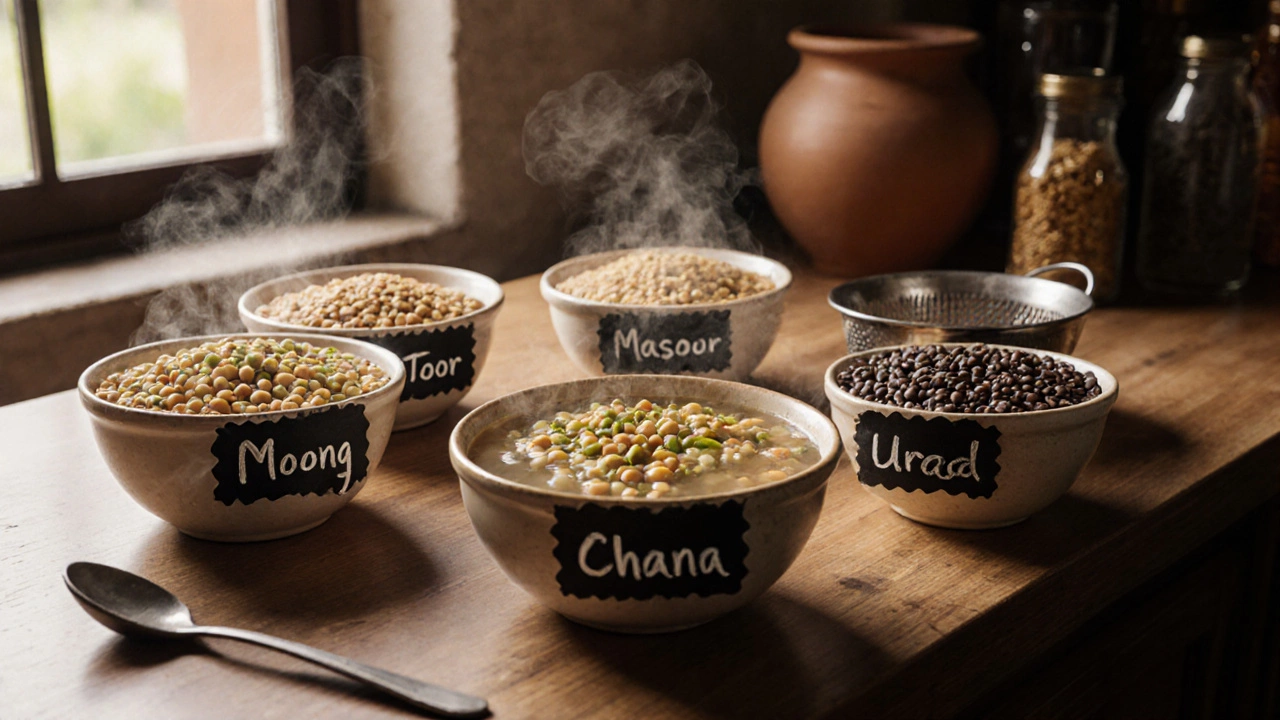
Learn the right soaking times for different types of dal to cook faster, digest better, and get creamy results every time. No more hard lentils or bloating.
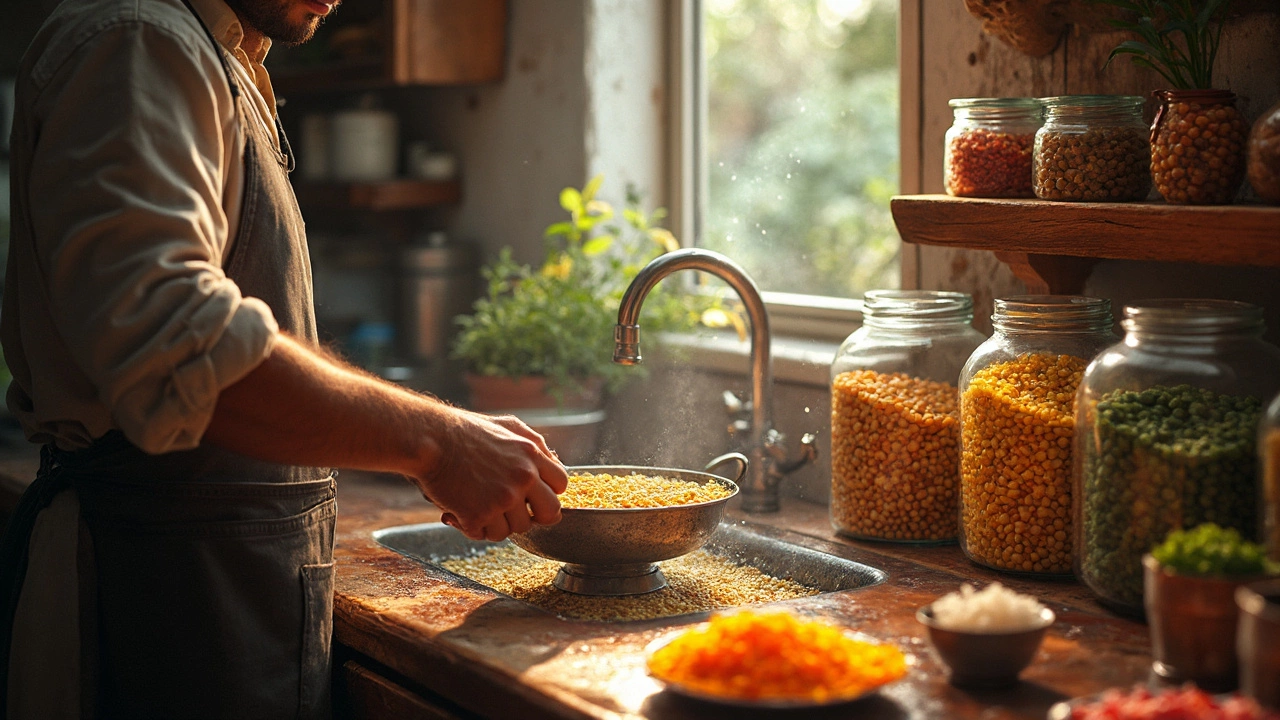
Exploring whether washing dal before cooking is necessary, this article dives into the science and traditional wisdom behind this common kitchen practice. With insights into how washing can affect the texture and taste of your dal, along with practical tips for the best results, it covers everything a home cook needs to know. Learn about regional variations and how a simple rinse can drastically improve your culinary outcomes. Whether you're new to cooking lentils or a seasoned chef, these insights will help enhance your dal dishes.