Is Dal a Carb or Protein? Unpacking the Nutrition of Indian Lentils
Discover if dal is a carb or protein, see macro breakdowns for common varieties, and learn cooking tips to maximize its nutrition.
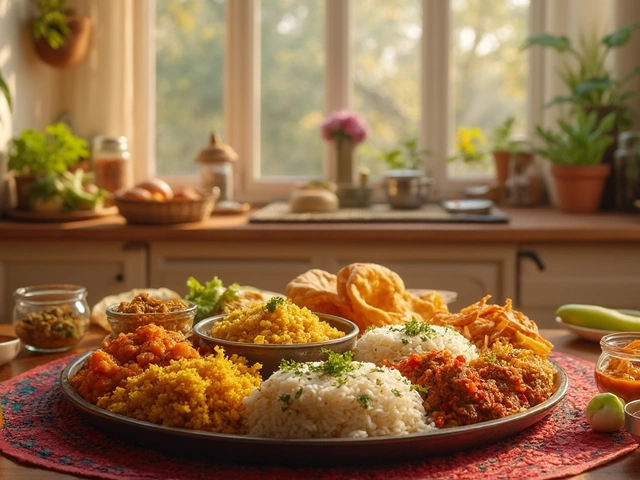
When you think of dal, a staple lentil dish in Indian households made from split pulses and seasoned with spices. Also known as lentils, it is one of the most nutrient-dense foods in Indian cuisine and a primary source of plant-based protein for over 400 million vegetarians in India. Dal isn’t just comfort food—it’s a daily dose of clean energy. Whether it’s toor dal, masoor dal, or chana dal, each type delivers a powerful mix of fiber, iron, folate, and slow-digesting carbs that keep you full and energized without the crash.
What makes dal nutrition so special isn’t just the protein—it’s how it works with other foods. Pair dal with rice or roti, and you get a complete amino acid profile, something most plant foods can’t do alone. Studies show that people who eat dal regularly have better blood sugar control and lower LDL cholesterol. And unlike meat-based proteins, dal comes with zero saturated fat and a boatload of soluble fiber that helps your gut thrive. The spices used in tadka—cumin, turmeric, garlic—not only add flavor but also boost digestion and reduce inflammation. This isn’t ancient wisdom; it’s modern science backing up what grandmothers have been doing for generations.
Not all dal is made the same. Soaking time affects digestibility. Cooking method changes nutrient retention. Even the oil you use in tadka matters—groundnut oil preserves more antioxidants than refined vegetable oil. That’s why posts here cover everything from how long to soak masoor dal, a quick-cooking red lentil known for its mild flavor and high iron content, to why skipping the rinse on yogurt-marinated dal can improve its texture. You’ll find real, tested tips on making dal that’s creamy without cream, protein-rich without meat, and easy enough for busy weeknights.
And if you’ve ever felt bloated after eating dal, you’re not alone. But the problem isn’t the lentil—it’s how it’s prepared. Proper soaking, pressure cooking, and tempering with asafoetida can cut gas and boost absorption. This collection doesn’t just tell you what dal is good for—it shows you how to make it work for your body.
From the humblest kitchen to the most popular restaurant menu, dal is the quiet hero of Indian nutrition. You’ll find posts here that break down exactly how much protein is in a cup of cooked toor dal, which type has the most iron, and why dal tadka is the best starting point for anyone building a plant-based diet. No fluff. No guesswork. Just clear, practical info that turns everyday lentils into your most reliable health tool.
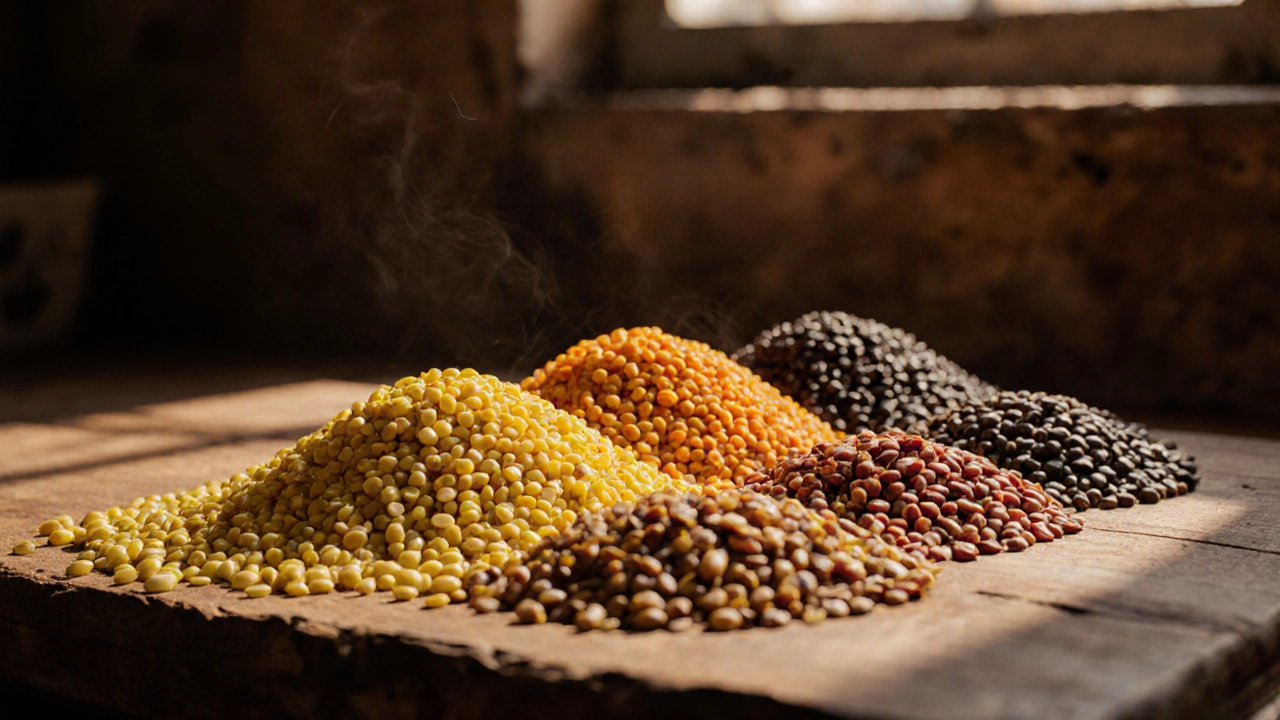
Discover if dal is a carb or protein, see macro breakdowns for common varieties, and learn cooking tips to maximize its nutrition.