Dairy in Indian Cooking: Milk, Paneer, Yogurt, and More
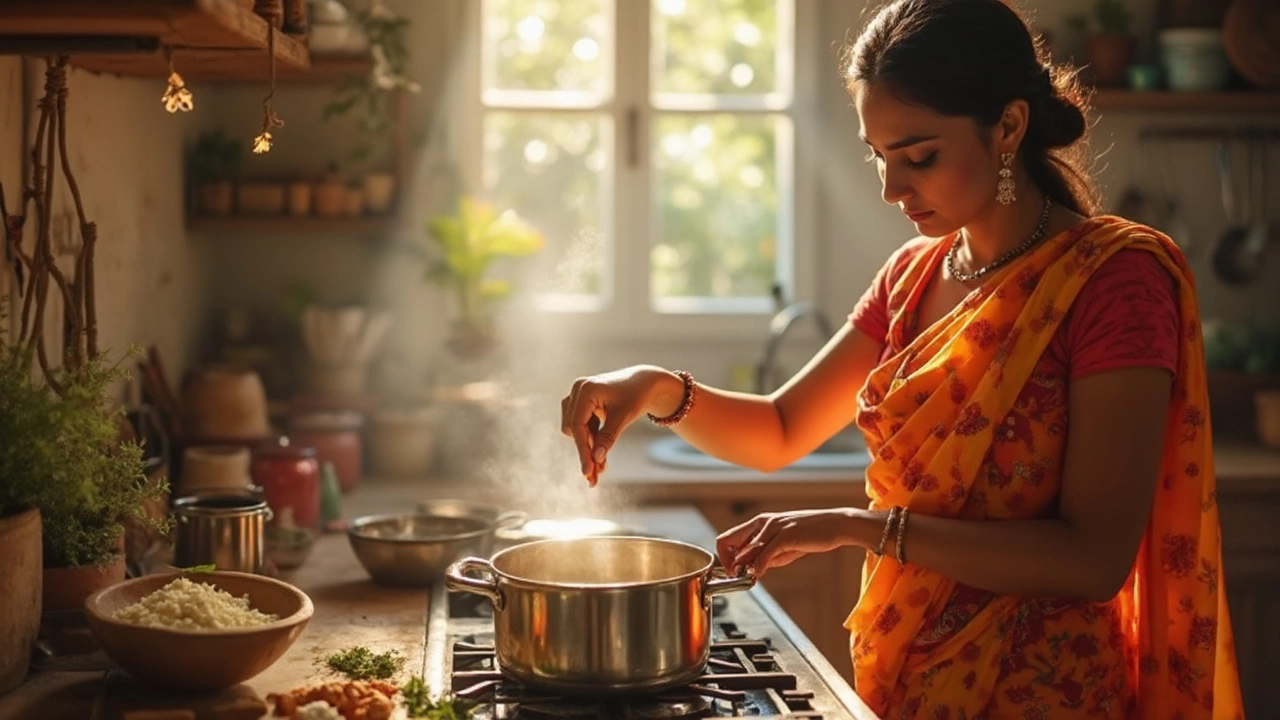
When you think of Indian food, you might picture spicy curries or fragrant rice—but behind most of those flavors is something quieter, simpler, and just as essential: dairy, the foundation of texture, richness, and balance in Indian home cooking. Also known as milk-based ingredients, dairy isn’t just an add-on—it’s the engine that makes dishes like paneer tikka, butter chicken, and dal makhani come alive. Without it, Indian cuisine loses its soul.
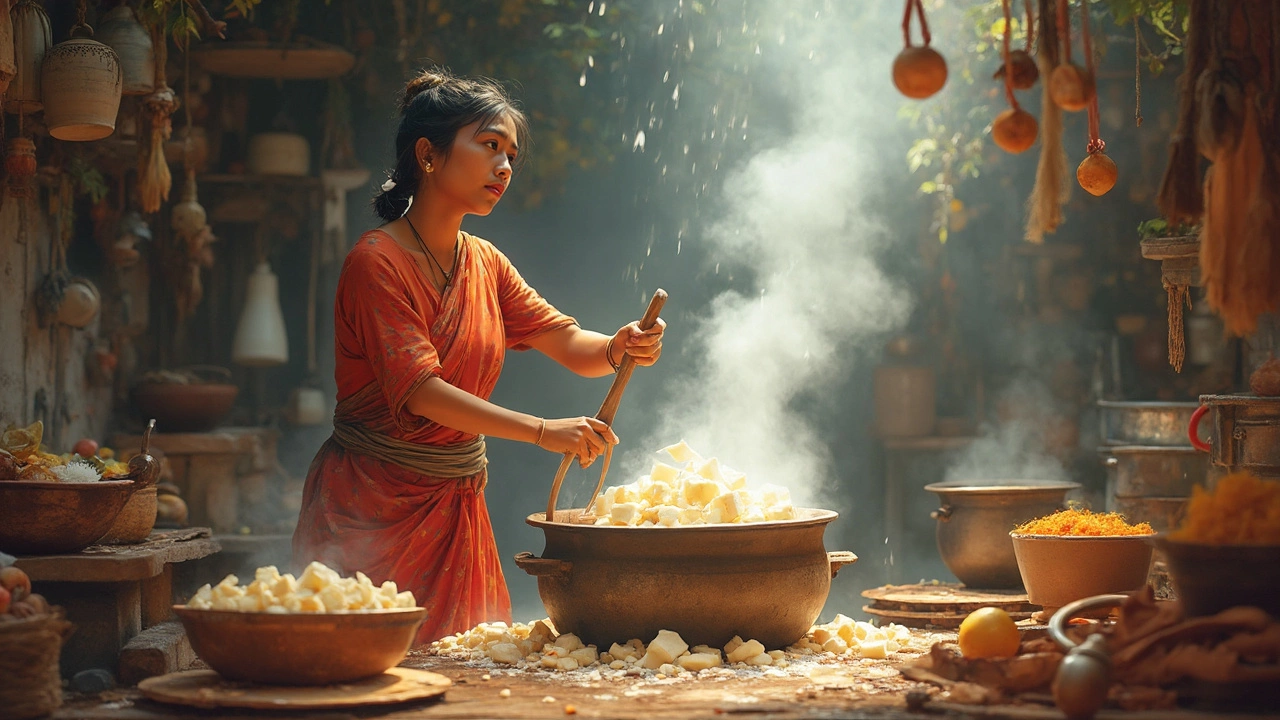
You don’t need to be a chef to see how dairy works. paneer, a fresh, non-melting cheese made by curdling milk with lemon or vinegar. Also known as Indian cottage cheese, it’s the star of dozens of vegetarian dishes and the reason you can get protein-rich meals without meat. Making paneer at home? You’ll need about 1 liter of whole milk for just 200–250 grams of cheese. That’s why milk quality matters—higher fat means more yield and creamier texture. Then there’s yogurt, the tenderizer and flavor carrier used in tandoori chicken, marinades, and even cooling raitas. Also known as curd, it’s not just for tang—it locks in moisture and helps spices stick. Rinsing off that yogurt marinade? Don’t. It’s the secret to juicy, flavorful chicken, not a step to skip.
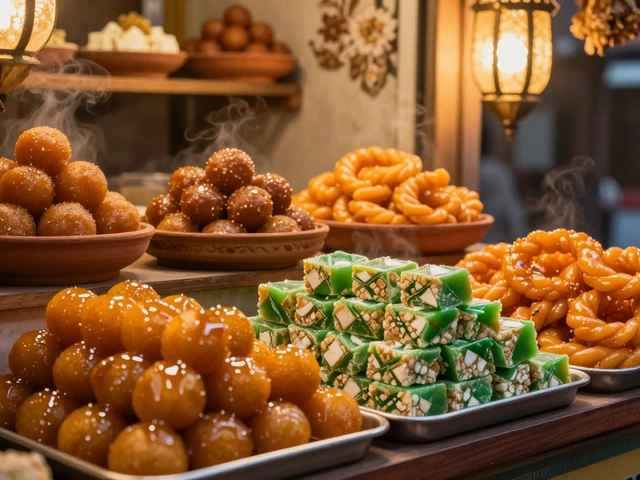
Dairy doesn’t stop there. Ghee, made by clarifying butter, is the oil of choice in North Indian kitchens for its high smoke point and nutty depth. Lassi, made from yogurt and water, isn’t just a drink—it’s a digestive aid. Even in sweets like mysore pak or rasgulla, milk solids and sugar syrup form the base. And yes, even dosa batter benefits from dairy: some cooks add a spoon of yogurt to help fermentation.
This isn’t about fancy ingredients. It’s about understanding what happens when milk turns to curd, when curd turns to paneer, and when paneer hits the grill. The posts below show you exactly how dairy shapes real Indian meals—from the exact amount of milk needed for paneer, to why yogurt marinades shouldn’t be rinsed, to how ghee changes the flavor of a simple dal. You’ll find out why skipping dairy doesn’t make food healthier—it just makes it bland. Whether you’re making biryani, tandoori chicken, or a simple dal tadka, dairy is the quiet hero you can’t afford to ignore.