Curry Tips: Essential Tricks for Better Indian Curries Every Time
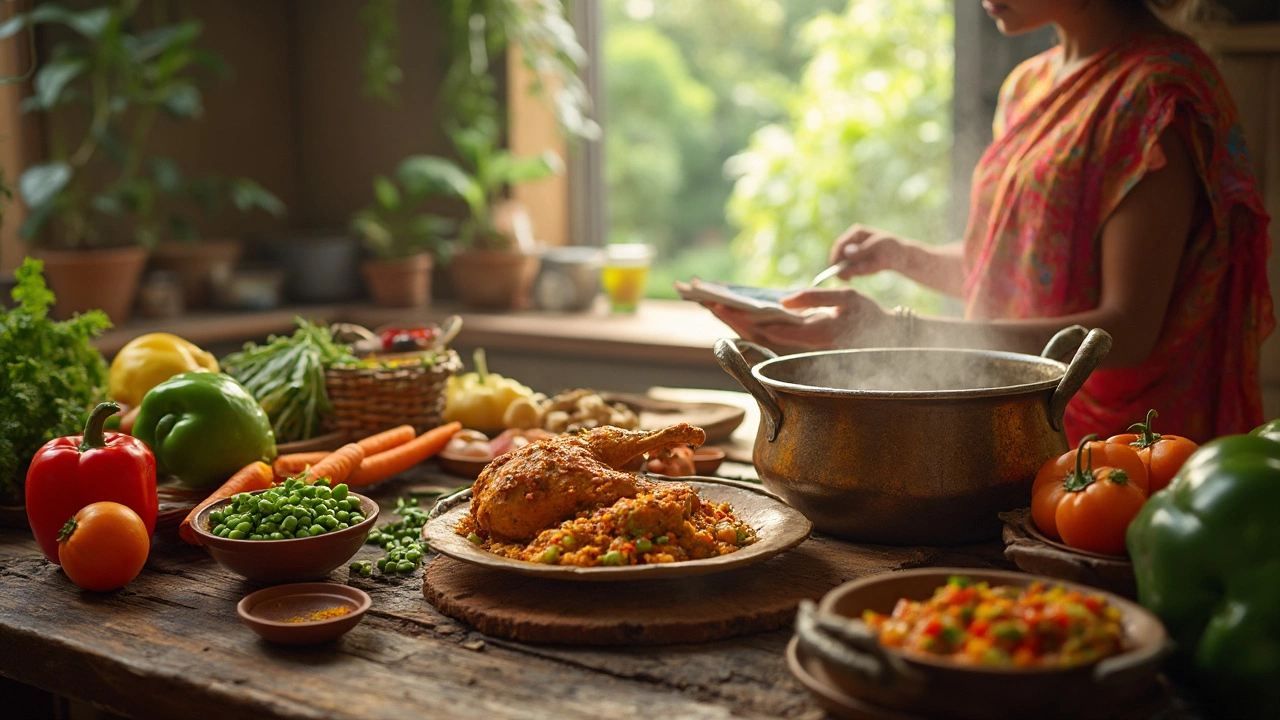
When you think of curry, a spiced, saucy dish central to Indian home cooking. Also known as curry gravy, it’s not just one thing—it’s a whole system of layering flavor, controlling heat, and balancing texture. Most people think curry is just turmeric and cumin in a pot. But real curry tips start long before you turn on the stove. It’s about when you add the onions, how long you toast the spices, and whether you let the sauce reduce slowly or rush it. Skip these steps, and your curry tastes flat—even if you used every spice in your cabinet.
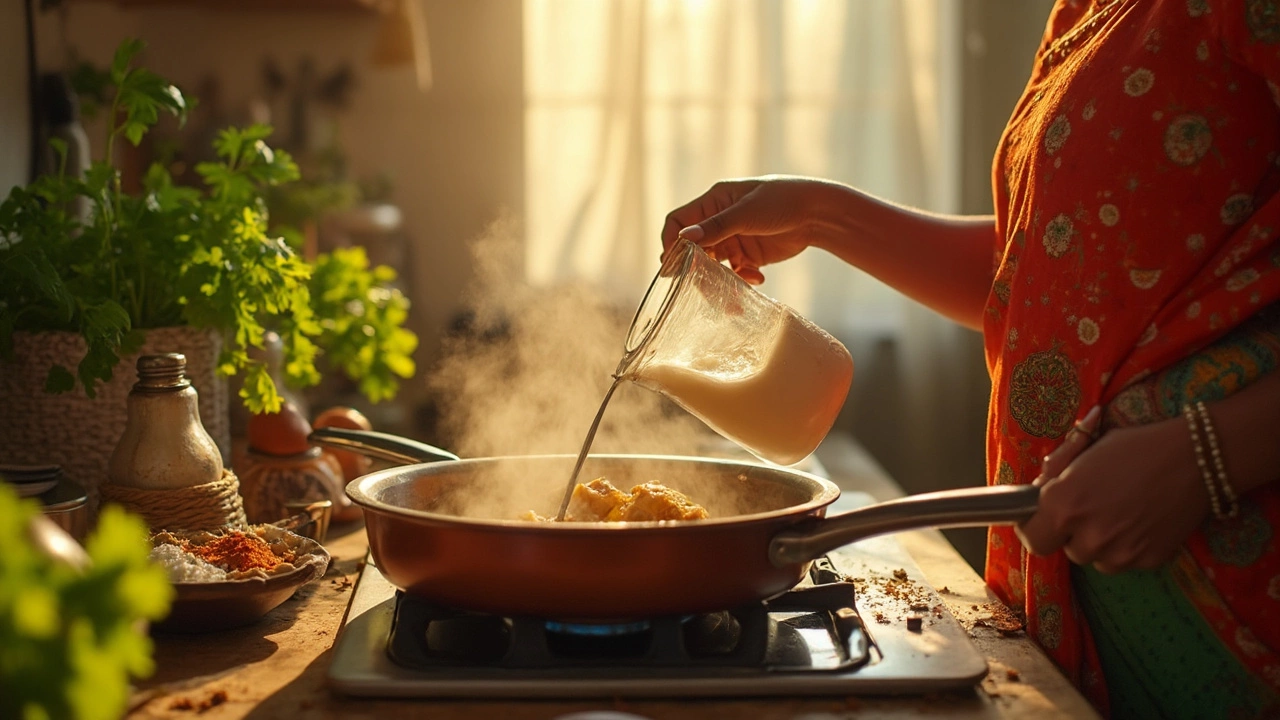
One big mistake? Adding raw spices to cold oil. Toasting cumin, coriander, and mustard seeds in hot oil releases their oils and turns bitter powder into deep, nutty flavor. That’s why tarka, the final sizzle of spices in hot ghee or oil isn’t just garnish—it’s the soul of the dish. Same with yogurt, a key base in many Indian curries. If you add it too fast or at high heat, it splits. You need to stir it in slowly, off the flame, or mix it with a little water first. And don’t rinse off yogurt marinades before cooking—those sticky bits are where the flavor hides.
Curry isn’t about following a recipe. It’s about reading the pot. If the oil separates from the masala, you’re ready for the next step. If the tomatoes break down into a thick paste, that’s your base. If the sauce is too thin, let it bubble without a lid. Too thick? Add a splash of water or stock—not cream. The best curry spice blend, a custom mix of ground spices changes with the dish. A chicken curry needs more ginger and garlic. A lentil curry needs cumin and asafoetida. And never, ever skip the final pinch of sugar. It doesn’t make it sweet—it makes the spices sing.
What you’ll find below isn’t just a list of recipes. It’s a collection of real fixes from people who’ve burned their curry, made it too sour, or ended up with rubbery chicken. You’ll learn why tandoori chicken turns black inside without being burnt, how to make biryani taste richer without adding more ghee, and why soaking your dal matters more than you think. These aren’t tricks for experts—they’re the quiet habits of home cooks who’ve been doing this for decades. Whether you’re making butter chicken for the first time or trying to fix your third batch of watery paneer curry, the answers are here. No fluff. No fancy terms. Just what works, every time.