What Makes a Delicious Curry? Essential Elements & Proven Tips
Learn the core ingredients, spice blending, cooking techniques and common pitfalls that turn a basic stew into a delicious curry.
When you think of Indian food, you probably think of curry base, a foundational blend of sautéed onions, garlic, ginger, tomatoes, and spices that forms the flavor backbone of countless Indian dishes. Also known as curry paste or masala base, it’s not just a sauce—it’s the engine that drives the taste of everything from paneer butter masala to dal makhani. Skip the curry base, and you’re skipping the soul of the dish. This isn’t magic. It’s chemistry: onions caramelize, tomatoes break down, spices bloom in oil, and suddenly you’ve got depth, richness, and balance—all without a single drop of cream.
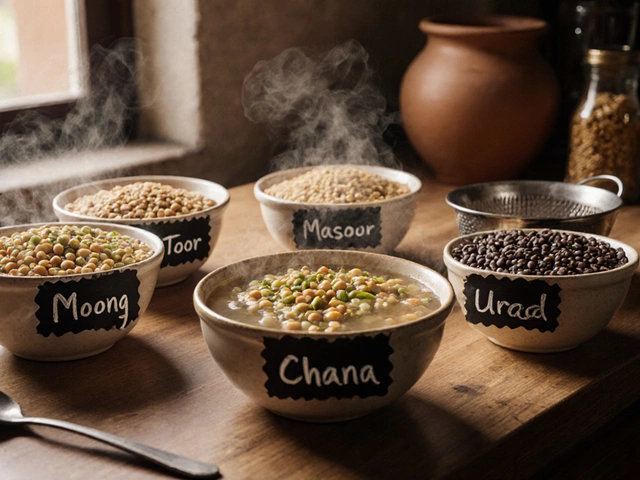
But not all curry bases are the same. A Punjabi curry base uses more tomato and ghee, while a South Indian one leans on coconut and tamarind. A Bengali base might include mustard oil and panch phoron. The spice blend, the specific mix of ground spices like cumin, coriander, turmeric, and garam masala added to the base changes everything. Too much turmeric? Bitter. Not enough cumin? Flat. The right balance turns a simple pot of lentils into a meal that lingers on your tongue. And then there’s the curry paste, a pre-made version of the base, often sold in jars or frozen, used by home cooks short on time. It’s convenient, sure—but it rarely matches the complexity of something you make fresh.
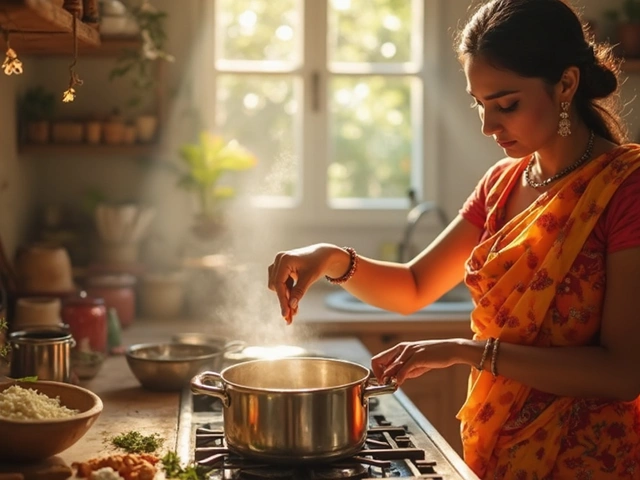
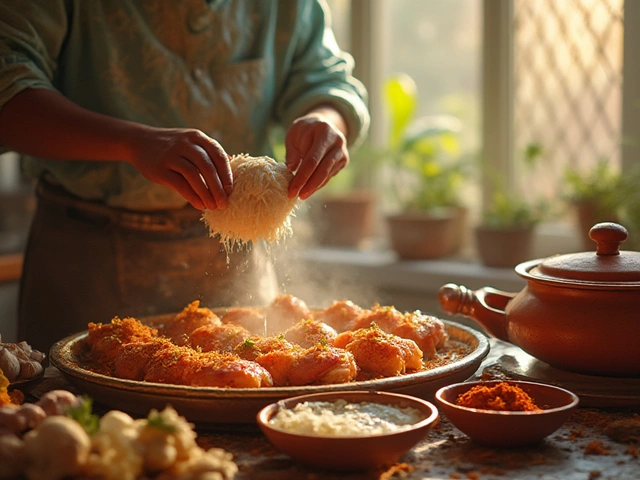
Here’s the truth: most people think curry base is just tomato and spice. But it’s really about timing. Fry the onions too fast? They burn. Add the spices before the oil is hot? They taste raw. Wait too long to add tomatoes? The base gets dry. The best curry bases are made slowly, with patience. You don’t need fancy tools. Just a heavy pan, good oil, and a little attention. That’s why dishes like butter chicken, chana masala, and even vegetable korma all start the same way—with a base that’s been cooked, not just mixed.
What you’ll find below isn’t just recipes. It’s a deep dive into how curry base shapes Indian food—from the dishes that live on it, like tikka masala and dal tadka, to the ones that wisely avoid it, like dosa and pani puri. You’ll learn why some curries are creamy, others are tangy, and why the same spice mix can taste totally different depending on how long you cook it. No fluff. No guesswork. Just the facts that turn good curries into great ones.
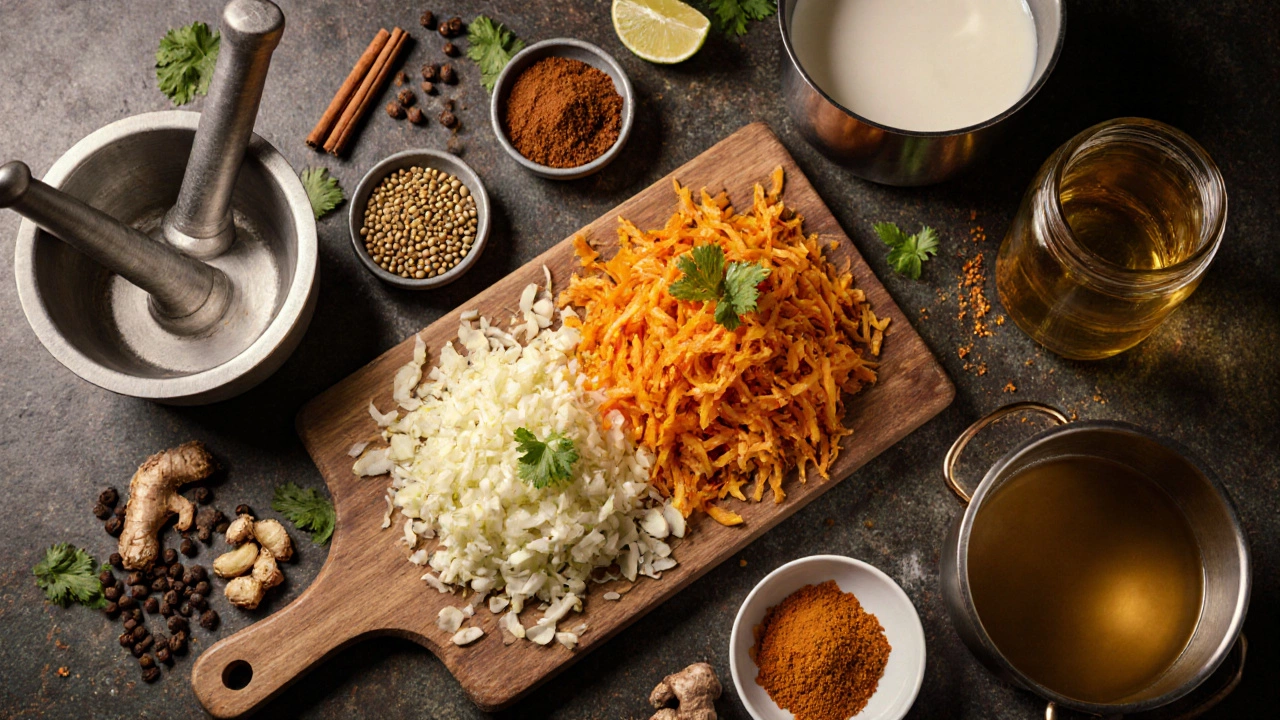
Learn the core ingredients, spice blending, cooking techniques and common pitfalls that turn a basic stew into a delicious curry.