Best Rice for Biryani: Unlocking Perfect Flavor and Aroma
Curious which rice makes biryani unforgettable? Dive into the secrets, data, and tips for choosing, cooking, and elevating biryani with the best grains.
When you’re making best rice for biryani, a long-grain, aromatic rice that holds its shape and absorbs flavors without turning mushy. Also known as biryani rice, it’s the foundation of every great biryani—no matter if you’re cooking Hyderabadi, Lucknowi, or Kolkata style. Skip the wrong kind, and your biryani turns sticky, bland, or worse—soggy. The right rice doesn’t just cook well; it carries the spices, the meat, the saffron, and the patience of hours of cooking into every bite.
The basmati rice, a specific type of long-grain rice native to the Indian subcontinent, known for its nutty aroma and elongated grains that expand when cooked is the gold standard. It’s not just any long-grain rice—it’s the one that smells like pandan leaves and popcorn when it’s dry, and turns into separate, silky strands when steamed. Other rices like jasmine or regular long-grain might seem close, but they lack the depth, the fragrance, and the ability to stay firm under pressure. Even parboiled rice, rice that’s been partially boiled in the husk to lock in nutrients and texture, sometimes used in South Indian biryanis, behaves differently—it’s chewier, less fragrant, and better suited for everyday meals, not celebratory dishes.
What makes one grain better than another? It’s three things: length, aroma, and starch. The best biryani rice is long and slender, with grains that can stretch up to twice their size when cooked. It has low amylose, which means it doesn’t get sticky, and high volatile compounds that give it that signature scent. You’ll find it labeled as aged basmati—this isn’t marketing fluff. Aging for a year or more reduces moisture, tightens the grain, and boosts flavor. If you see a bag that says "premium" or "extra long" but doesn’t say "basmati," walk away. And don’t rinse it too hard—just a quick rinse to remove surface dust. Over-rinsing washes away the natural oils that help the rice absorb flavors.
You don’t need fancy tools or imported rice to get it right. Indian grocery stores stock aged basmati in bulk, often cheaper than pre-packaged brands. Look for grains that are uniform, not broken, and smell sweet when you open the bag. If it smells like nothing, it won’t taste like anything in your biryani. And remember—soaking the rice for 30 minutes before cooking isn’t optional. It’s the secret to even cooking and that perfect, non-sticky texture you see in restaurants.
What you’re really choosing here isn’t just rice—it’s the soul of the dish. The right grain turns a simple mix of spices and meat into something that lingers on the tongue and in memory. The posts below cover everything from how to test your rice before cooking, to why some cooks swear by specific brands, to how to avoid the one mistake that ruins 9 out of 10 homemade biryanis. Whether you’re new to cooking or have made biryani a dozen times, you’ll find something here that changes how you see this dish forever.
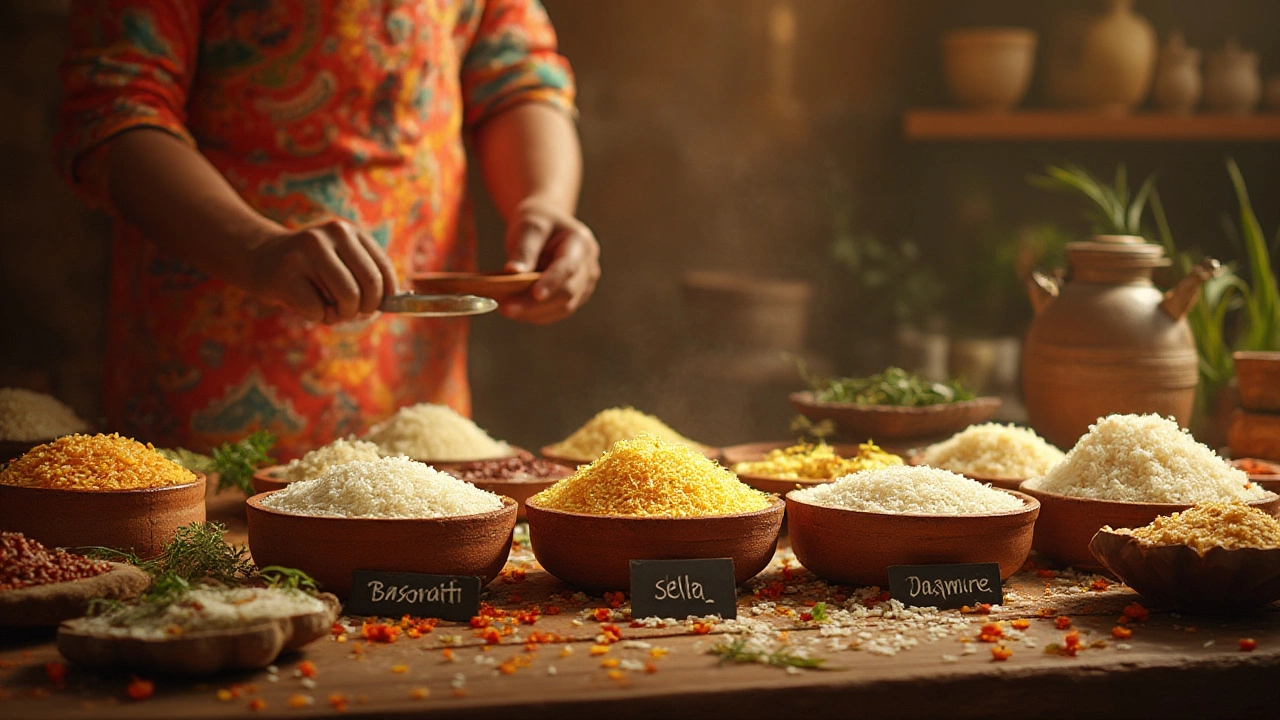
Curious which rice makes biryani unforgettable? Dive into the secrets, data, and tips for choosing, cooking, and elevating biryani with the best grains.