Basmati Rice Boiling: How to Cook Perfect Basmati Rice Every Time
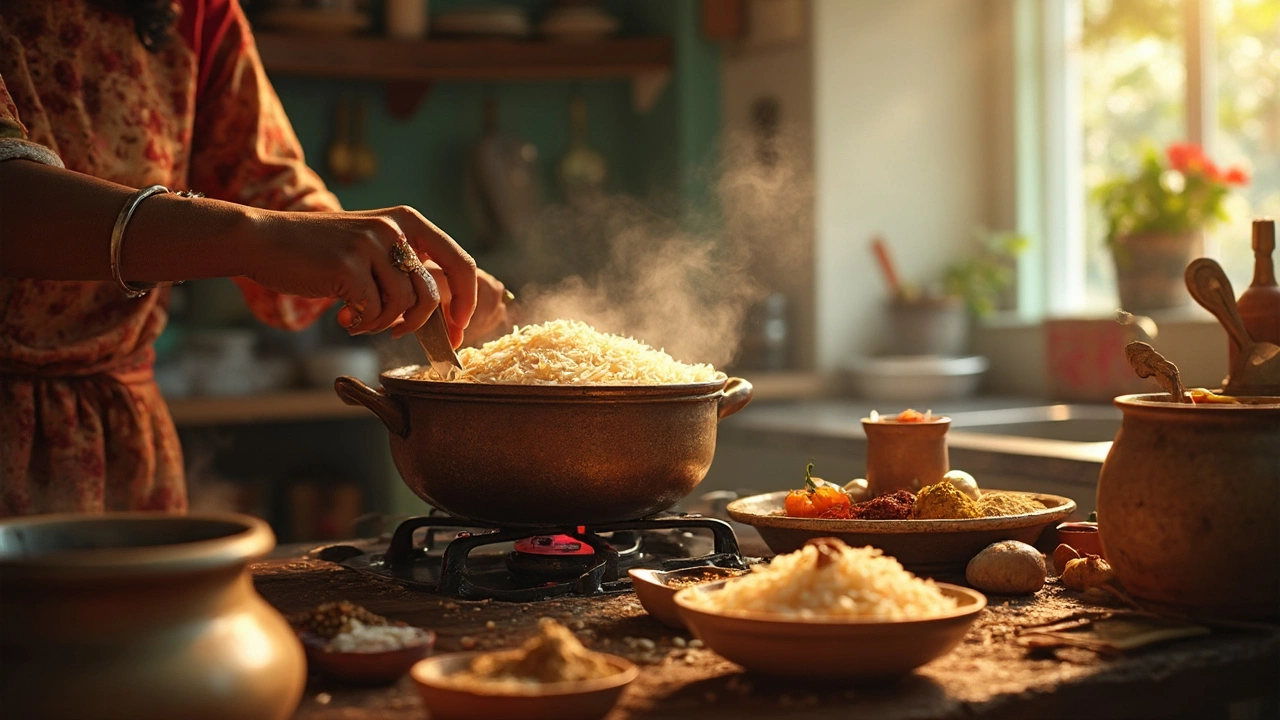
When you boil basmati rice, a long-grain aromatic rice native to the Indian subcontinent, known for its light texture and nutty fragrance. Also known as Indian long-grain rice, it’s the foundation of biryanis, pulaos, and everyday meals across households from Punjab to Kerala. Most people ruin it by boiling it like regular rice—too much water, no soaking, boiling too hard. The result? Sticky, mushy grains that clump together instead of dancing separate and fluffy. That’s not basmati. That’s a mistake.
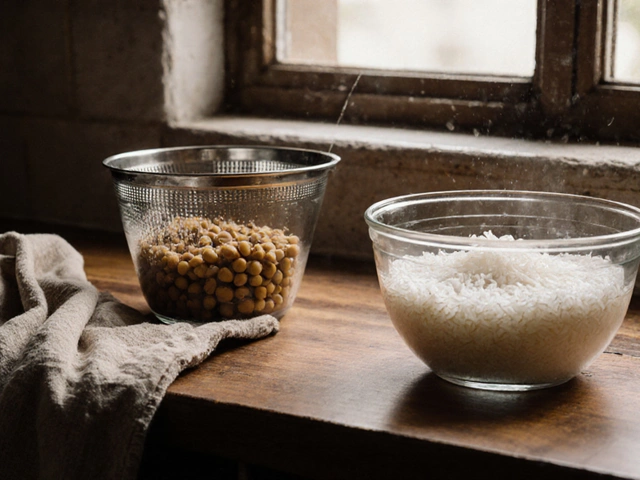
Basmati rice needs space, time, and gentle heat. It’s not just about boiling—it’s about soaking, a simple step that reduces cooking time and prevents breakage. Soaking for 20 to 30 minutes lets the grains absorb water slowly, so they expand lengthwise instead of bursting. Skip this, and you’ll get broken grains and uneven texture. Then there’s the water ratio, the exact amount of liquid needed to cook each grain perfectly without drowning it. For every cup of basmati rice, use 1.5 cups of water—not 2, not 3. More water doesn’t mean fluffier rice. It means soggy rice. And the heat? Bring it to a boil, then drop it to the lowest simmer. Cover it tight. Let it steam. Don’t lift the lid. Don’t stir. Let the steam do the work.
This isn’t just about technique—it’s about respect. Basmati rice carries centuries of tradition. In South India, it’s the base for lemon rice and coconut rice. In the North, it’s the star of festive biryanis layered with saffron and fried onions. Even when you’re making simple basmati rice boiling to go with dal tadka or paneer curry, the way you cook it changes the whole meal. A good bowl of basmati rice isn’t just a side—it’s the canvas that holds the flavor. And when you get it right, you’ll taste the difference: each grain distinct, fragrant, slightly chewy at the center, never gummy.
You’ll find posts here that dig into how soaking time affects texture, why some cooks rinse rice before boiling (and when not to), and how to adjust for altitude or hard water. You’ll learn what to do if your rice comes out undercooked, how to fix overcooked rice without starting over, and why the type of pot you use matters more than you think. These aren’t random tips—they’re the tricks passed down in kitchens across India, tested over generations. Whether you’re making a weeknight meal or a holiday feast, getting basmati rice right is the first step to eating like you’re in a home kitchen in Lucknow, Chennai, or Jaipur.