American Travelers’ Food Guide: What to Eat in India
A practical guide for American travelers in India, highlighting mild dishes, vegetarian options, how to customize spice, regional tips, safe dining practices, and FAQs.
When people from the U.S. first try American palate Indian cuisine, the way Western tastes adapt to the bold, layered flavors of India, they often expect everything to be spicy, creamy, and curry-heavy. But Indian food isn’t one thing—it’s hundreds of regional styles, each with its own rules. What works on an American plate doesn’t always match what’s cooked in a home kitchen in Kerala or Punjab. The real question isn’t whether Indian food can suit American tastes—it’s which parts of it already do, and why.
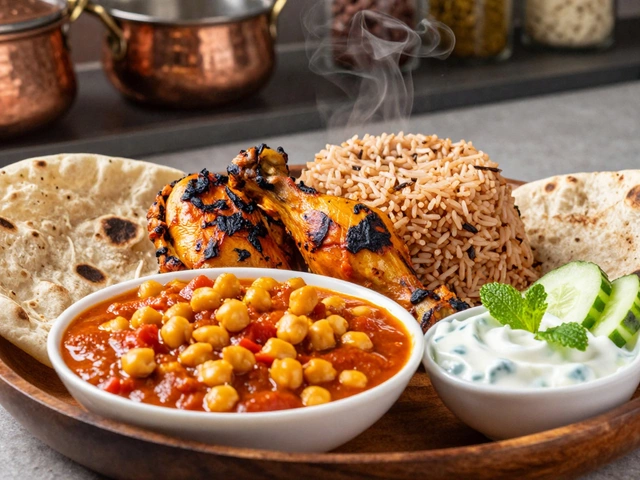
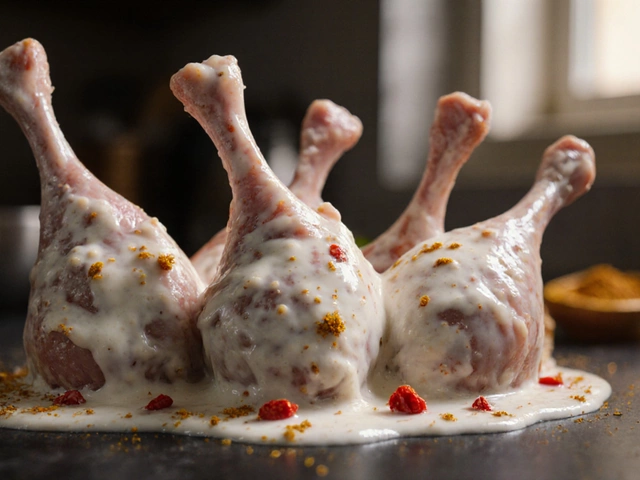
Butter Chicken, a creamy, mildly spiced dish with tomato-based sauce, became the gateway for millions. It’s not traditional in the way dal tadka is, but it’s the first Indian dish many Americans taste—and it sticks. Why? Because it’s gentle. No chili heat, no unfamiliar spices, just rich, comforting flavors. Tandoori Chicken, charred on high heat with yogurt and spices works too, because it’s smoky, not spicy. Even Paneer Tikka, cubes of fresh cheese grilled with simple spices, fits neatly into a burger-and-pasta culture because it’s familiar in texture and easy to eat with a fork.
But here’s what gets lost: the crunch of a dosa, the tang of pani puri, the earthiness of toor dal. These aren’t hard to like—they just need exposure. Most American restaurants simplify Indian food into three options: curry, naan, and rice. That’s not Indian cuisine. That’s a version of it, shaped by what sells. The truth? Indian food has over 400 million vegetarians, dozens of ways to cook lentils, and zero need for cream to be delicious. When you skip the heavy sauces and try dishes like lemon rice or tarka dal, you’re not just eating differently—you’re eating closer to how most Indians eat every day.
What’s missing from most menus? The balance. Indian meals aren’t about one big flavor. They’re about contrast: spicy with cooling, crunchy with soft, tangy with sweet. Chutneys, pickles, yogurt raitas—they’re not sides. They’re essential. And that’s where the American palate often stumbles. People expect the whole meal to taste like the main dish. But Indian cooking doesn’t work that way. A plate of biryani isn’t meant to be eaten alone. It’s meant to be paired with something sharp, something cool, something simple.
So if you’ve only tried Indian food at chain restaurants, you haven’t really tried it yet. The dishes that thrive on the American palate aren’t the most authentic—but they’re the most approachable. And that’s okay. But don’t stop there. The real magic happens when you move past butter chicken and try the dal tadka, the roasted vegetables, the lentil pancakes. You’ll find that Indian food doesn’t need to be changed to fit you. It just needs to be shown to you—clearly, simply, without the cream.
Below, you’ll find real dishes real people cook at home—not restaurant versions, not watered-down twists, but the food that’s been passed down for generations. Some are mild. Some are bold. All of them are true. And you don’t need to love spice to love them.

A practical guide for American travelers in India, highlighting mild dishes, vegetarian options, how to customize spice, regional tips, safe dining practices, and FAQs.