Vegetarian Indian Recipes: Simple, Flavorful Dishes Without Meat
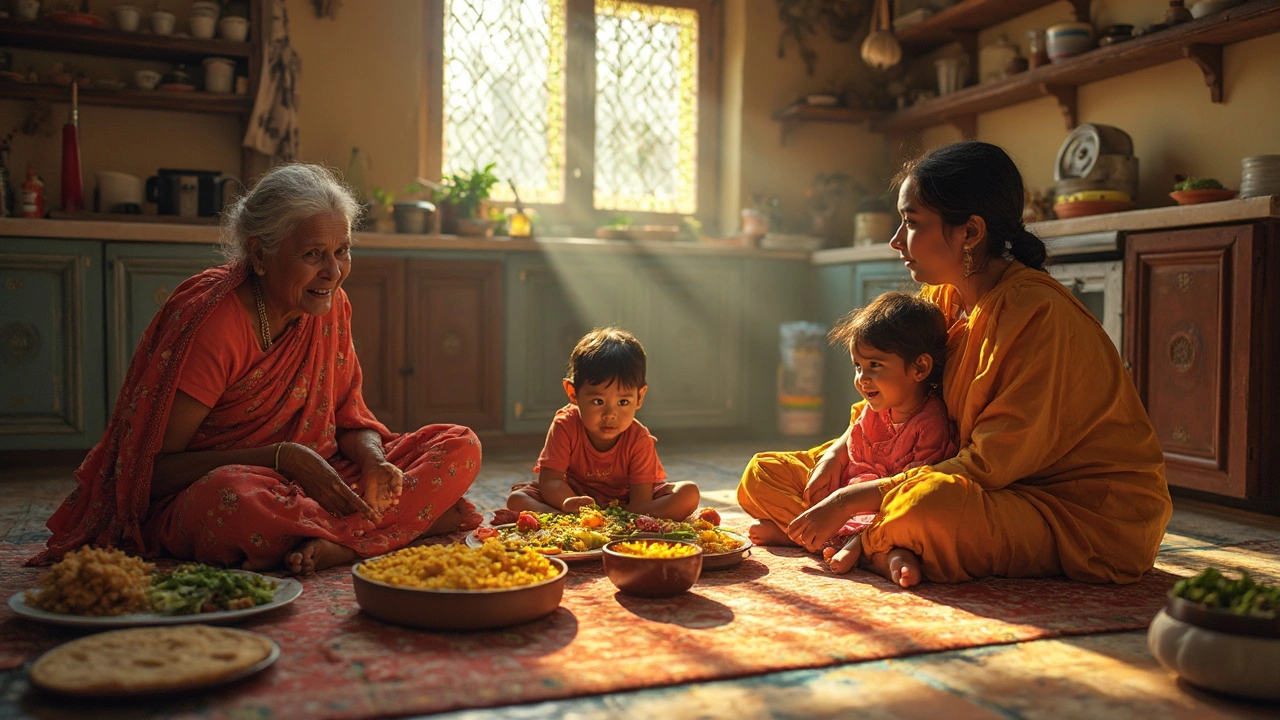
When you think of vegetarian Indian recipes, plant-based meals from across India that rely on lentils, vegetables, dairy, and spices instead of meat. Also known as Indian vegetarian cuisine, it's not just a diet—it's a cultural cornerstone. Over 400 million people in India follow this way of eating, not out of restriction, but because the flavors are too good to skip. This isn’t about missing meat. It’s about celebrating what’s already there: creamy paneer, a fresh, soft cheese made from curdled milk, used in everything from spicy curries to grilled skewers, earthy dal tadka, a simple lentil stew tempered with cumin, garlic, and dried chilies, and crispy dosa, a fermented rice and lentil crepe served with coconut chutney and sambar. These aren’t side dishes. They’re the main event.
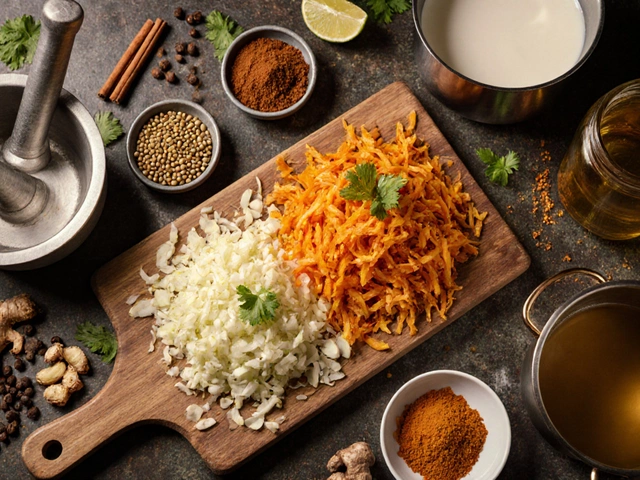
Indian vegetarian cooking doesn’t need meat to be satisfying. It uses texture, spice, and technique to create depth. A bowl of vegetarian Indian recipes might include chickpeas slow-cooked in tomato and ginger (chana masala), potatoes and cauliflower roasted with turmeric and cumin (aloo gobi), or rice layered with saffron, nuts, and vegetables (vegetable biryani). You won’t find a single meat-based ingredient, yet the richness comes from ghee, yogurt, cashew paste, toasted spices, and slow simmering. Even the breads—roti, paratha, and naan—are often made without animal products. The secret? Every dish is built on balance: heat from chilies, sweetness from jaggery, tang from tamarind, and creaminess from dairy. This is food that feeds the body and the soul.
What you’ll find in this collection isn’t just recipes. It’s the why behind the how. Why does dosa batter need to ferment for 12 hours? Why is soaking dal before cooking non-negotiable? Why does paneer turn rubbery if you skip the marinade? These posts cut through the noise. They give you real answers—not vague tips. You’ll learn which oils make the crispiest dosas, how to pick the healthiest curry at a restaurant, and why the shape of your roti matters more than you think. Whether you’re new to Indian food or you’ve been cooking it for years, there’s something here that’ll change the way you cook. No fluff. No filler. Just clear, practical, delicious truth.