Vegetarian Food Culture in India: Traditions, Dishes, and Daily Rituals
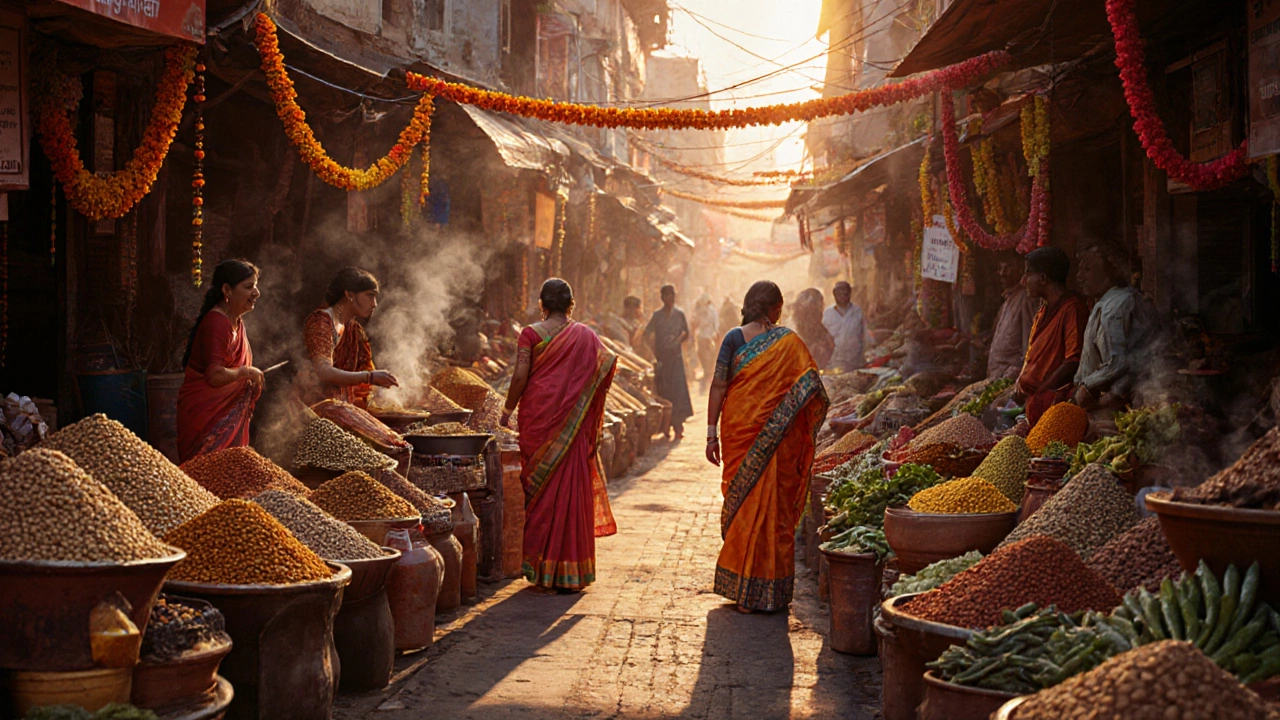
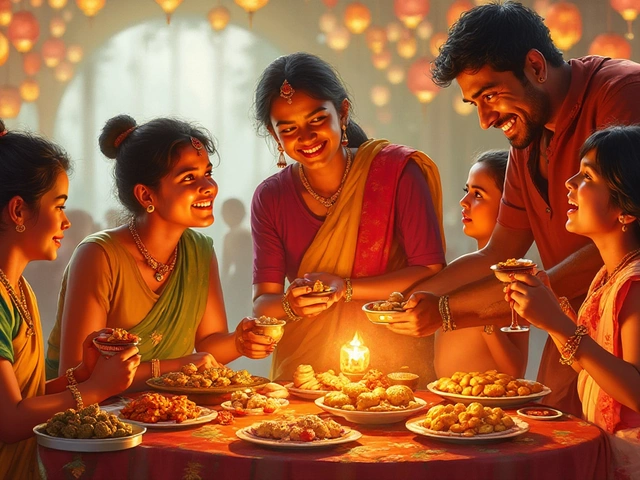
At the heart of Indian kitchens lies a vegetarian food culture, a way of eating shaped by centuries of religion, climate, and community that makes plant-based meals the norm, not the exception. Also known as Indian vegetarian cuisine, it’s not just about avoiding meat—it’s about celebrating lentils, legumes, dairy, and spices as the foundation of flavor, health, and identity. Unlike Western diets where vegetarianism is often a choice, in India, it’s woven into daily life. Over 300 million people follow a vegetarian diet, not out of trend, but because of family, faith, and food that’s been passed down for generations.
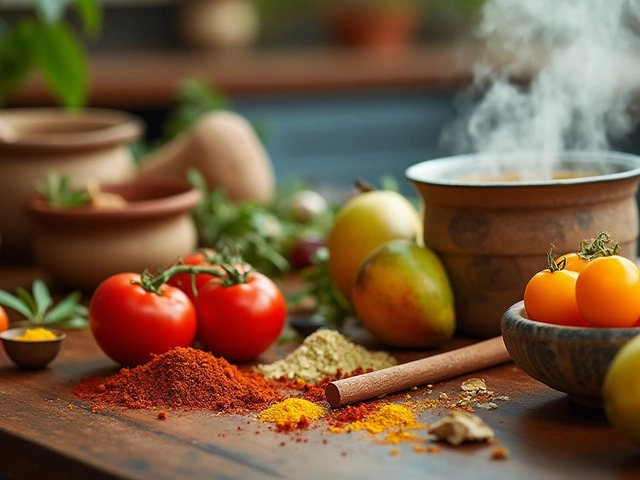
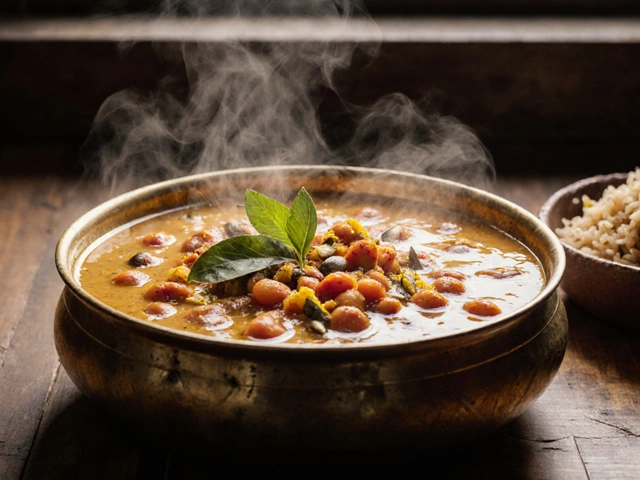
This culture doesn’t rely on fancy substitutes. It thrives on dal tadka, a humble bowl of lentils tempered with cumin, garlic, and dried chilies that’s cooked in nearly every Indian home. It’s the first dish most children learn to eat, and the last one their grandparents make before bed. Then there’s paneer, fresh cottage cheese made by curdling milk with lemon or vinegar, used in everything from spicy curries to sweet desserts. It’s not imported—it’s made in kitchens, often the same day it’s eaten, with no preservatives or packaging. And let’s not forget chutney, the vibrant, tangy condiment that cuts through richness and wakes up every bite, made from tamarind, mint, coconut, or even roasted peanuts. These aren’t side notes—they’re essential players in every meal. The vegetarian food culture in India doesn’t need to be explained. You taste it in the crispness of a dosa, the warmth of roti fresh off the tawa, the crunch of pani puri bursting with spiced water. It’s about balance—spicy, sweet, sour, bitter—and about food that nourishes body and spirit without waste.
What you’ll find in these posts isn’t a list of recipes. It’s a window into how real people cook. Why soaking dal matters. Why paneer needs to be marinated. Why the shape of roti isn’t tradition—it’s physics. You’ll learn what to order at restaurants, what oils make the best dosas, and how to tell the difference between tikka and tandoori without a menu. There’s no fluff. Just the truths behind the food you eat every day. Whether you’re cooking for the first time or you’ve been stirring pots for decades, this collection gives you the clarity to cook with confidence—and to understand why Indian vegetarian food doesn’t just feed you. It stays with you.