Traditional Indian Sweets: Classic Desserts, Ingredients, and How They're Made
When you think of traditional Indian sweets, sweet treats made with milk, sugar, cardamom, and nuts, often prepared for festivals and family gatherings. Also known as mithai, they’re not just desserts—they’re part of India’s cultural heartbeat. You don’t need a special occasion to enjoy them, but they’re never more alive than during Diwali, Eid, or a wedding. These sweets carry stories—of grandmothers stirring pots over low flames, of street vendors frying jalebis in hot oil, of families sharing a plate of barfi after dinner. They’re simple, but the process? It’s precise. And that’s what makes them unforgettable.
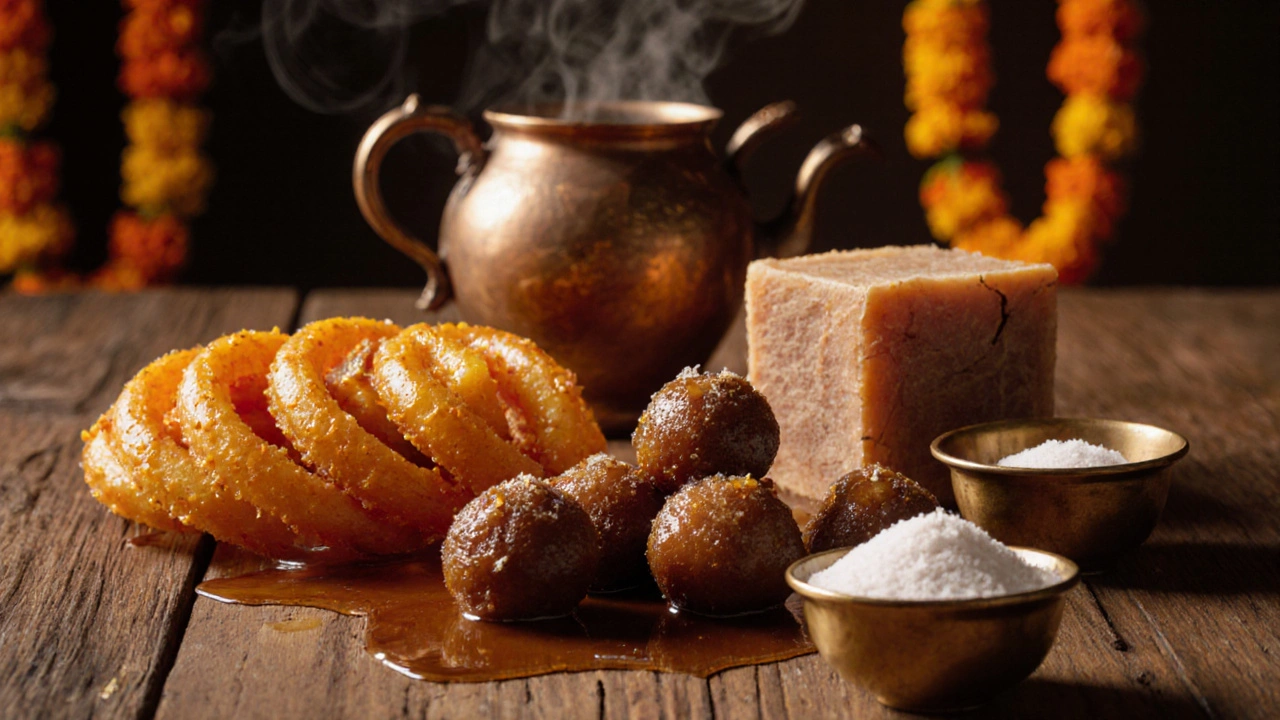
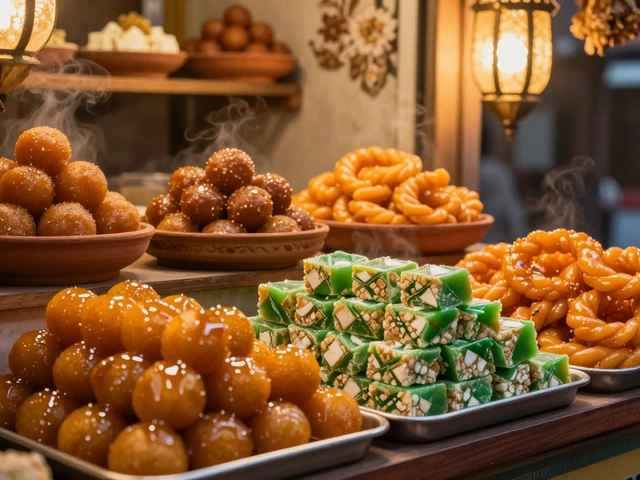
Most traditional Indian sweets, dense, syrup-soaked, or milk-based confections made from khoya, chhena, or semolina rely on just a few core ingredients: milk reduced to khoya, paneer-like chhena, sugar syrup, ghee, and spices like cardamom or saffron. Jalebi, bright orange, spiral-shaped fried batter soaked in syrup comes from the north and is best eaten hot. Gulab jamun, soft, fried milk balls soaked in sugar syrup melts in your mouth, while rasgulla, spongy cheese balls in light syrup from the east are all about texture and balance. Then there’s barfi, a firm, fudge-like sweet made from condensed milk and nuts, cut into squares and often garnished with silver leaf. Each one has a different origin, method, and texture—but they all share the same soul.
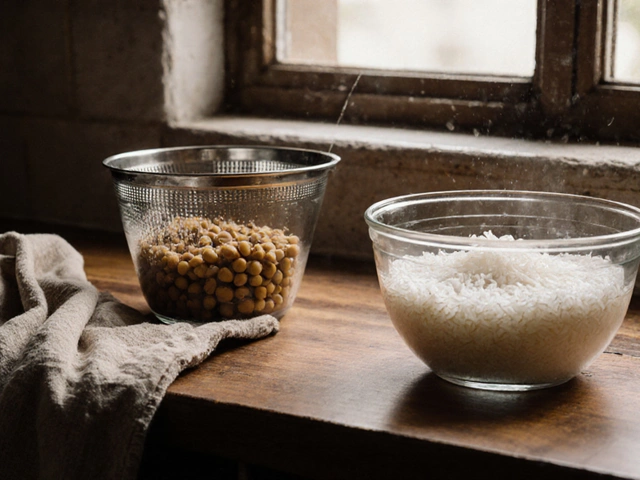
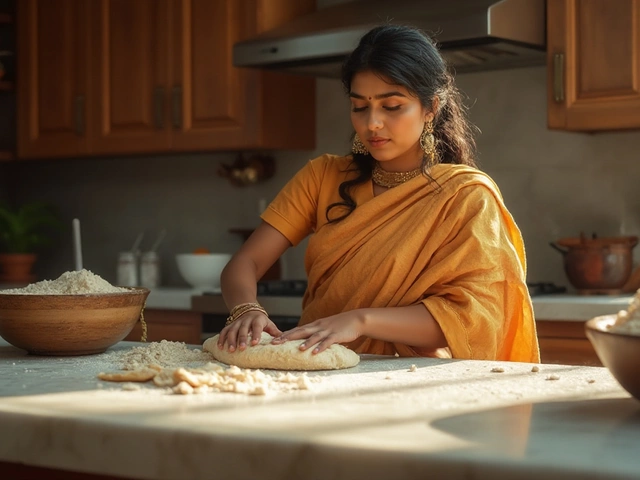
What ties them together isn’t just sugar. It’s technique. Making rasgulla right means knowing how much to knead the chhena. Getting jalebi crisp without burning it? That’s about oil temperature and batter consistency. Even something as simple as gulab jamun needs the right milk-to-flour ratio—or it turns rubbery. These aren’t recipes you guess at. They’re skills passed down, tested over generations. And that’s why you’ll find so many posts here about getting the details right: how much milk you need for paneer (which turns into sweets too), why soaking time matters for lentils (yes, even sweets need prep), and how to use ghee properly so your barfi doesn’t turn greasy. You won’t find fancy tricks here. Just real, tried-and-true ways to make these sweets taste like they should.
Whether you’re trying to recreate your aunt’s rasgulla or just want to know what makes Indian sweets different from other desserts, this collection gives you the answers. You’ll find posts that break down the science behind syrup consistency, the best oils for frying, how to store sweets so they stay fresh, and why some are made only in certain seasons. No fluff. No guesswork. Just clear, practical guidance to help you make these sweets at home—exactly the way they’re meant to be.