Tandoori Sauce: What It Is, How It Works, and Why It’s Essential in Indian Cooking
When you think of tandoori sauce, a vibrant, yogurt-based marinade infused with spices like cumin, coriander, paprika, and garlic, used to flavor meats and vegetables cooked in a tandoor oven. Also known as tandoori marinade, it’s the backbone of dishes like tandoori chicken and tandoori vegetables—not a sauce you pour on, but one you rub in and let work its magic. This isn’t curry. It doesn’t simmer in a pot. It doesn’t thicken with cream. Tandoori sauce is about boldness, heat, and transformation—turning simple chicken or paneer into something smoky, juicy, and unforgettable.
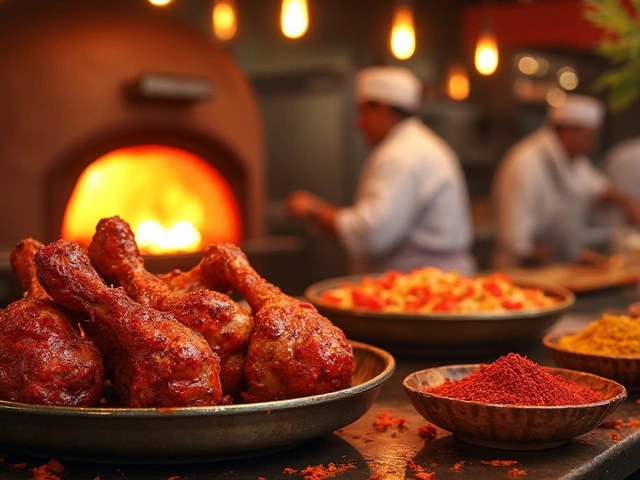
What makes tandoori sauce different? It’s the yogurt, a natural tenderizer and acid base that breaks down proteins without making meat mushy. Unlike curry sauces that rely on tomatoes and cream for body, tandoori sauce gets its texture from yogurt and its color from Kashmiri red chili powder or paprika. The tandoor oven, a clay oven heated with charcoal that reaches up to 900°F, creating intense radiant heat is what gives the food its signature char—but you can get close with a grill or broiler. The spice blend? It’s not random. Cumin and coriander add earthiness, garam masala brings warmth, and a touch of ginger-garlic paste cuts through the fat. You don’t rinse it off before cooking—because that’s where the flavor lives.
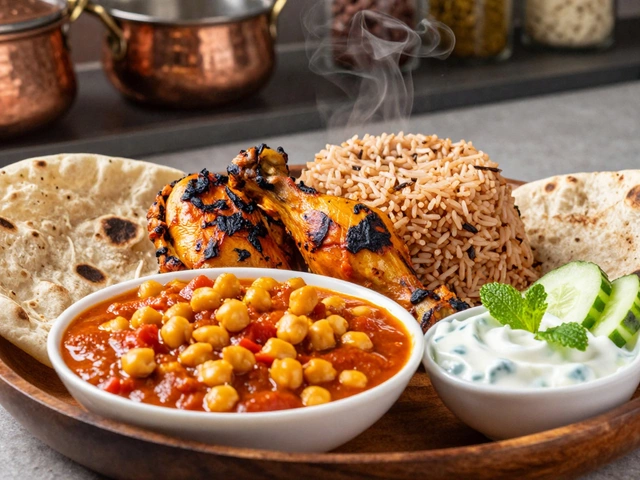
Some people think tandoori sauce is just for chicken. But look at the recipes in this collection: it’s used on paneer, vegetables, even fish. It’s the reason why tandoori vegetables stay crisp on the outside and tender inside. It’s why chicken tikka and tandoori chicken aren’t the same—tikka uses smaller cubes and a slightly different spice ratio. And that black color inside your tandoori chicken? That’s not burnt. That’s caramelized spice and natural charring from high heat. It’s safe. It’s flavorful. It’s intentional.
What you’ll find here aren’t just recipes. You’ll learn why marinating time matters, how to fix a bland tandoori sauce, and why using full-fat yogurt makes all the difference. You’ll see how this one marinade connects to bigger ideas in Indian cooking—like the role of acidity, the power of dry heat, and why some dishes don’t need sauce at all. Whether you’re making tandoori chicken for the first time or wondering why your last batch tasted flat, the posts below give you the real, no-fluff answers.