Tandoori: The Bold, Smoky Heart of Indian Grilling
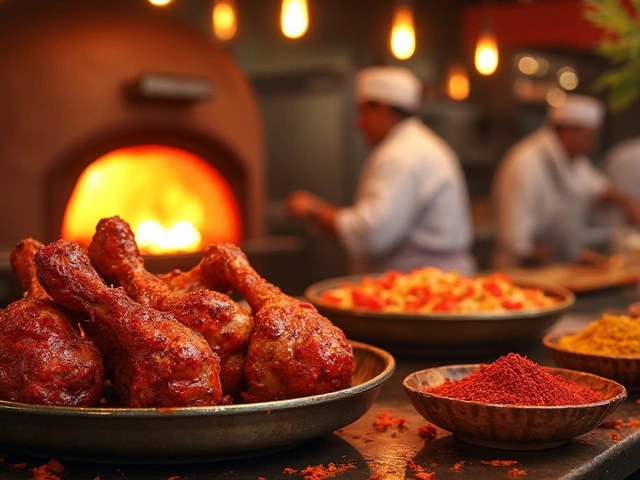
When you think of tandoori, a traditional Indian cooking method using a clay oven called a tandoor to sear food at high heat with intense smokiness. Also known as tandoor-cooked, it’s the secret behind India’s most iconic grilled dishes—juicy, charred, and packed with spice. This isn’t just another way to cook chicken. Tandoori is about fire, yogurt, and time. The marinade—yogurt, lemon, garlic, ginger, and a mix of spices like cumin, coriander, and Kashmiri red chili—doesn’t just flavor the meat. It tenderizes it. The yogurt breaks down proteins so the meat stays moist even when blasted with 480°F heat. The result? A crust that’s dark and caramelized, not burnt, and inside? Tender, juicy, and deeply aromatic.
Tandoori doesn’t stop at chicken. You’ll find tandoori vegetables, whole bell peppers, cauliflower, and potatoes roasted in the same spicy yogurt paste—crisp on the edges, sweet in the center. tandoori paneer, cubes of fresh Indian cheese grilled until they get a slight char, is a vegetarian favorite that holds up to the heat without falling apart. And then there’s the difference between tandoori chicken, whole chicken pieces marinated and cooked in the tandoor and chicken tikka, smaller, boneless pieces often skewered and cooked the same way. One is rustic, the other refined—but both rely on the same fiery, yogurt-rich base.
What makes tandoori so special isn’t just the spice blend. It’s the oven. A traditional tandoor is a clay cylinder buried in the ground, heated with charcoal. The walls radiate heat evenly, and the smoke rises through the food, sealing in flavor. You don’t need one at home to get close. A grill, broiler, or even a hot cast-iron pan can mimic the effect. The key? Don’t rinse off the marinade. That yogurt and spice paste? It’s your flavor shield. Let it char. Let it blacken. That’s not a mistake—that’s the point.
Every post here dives into what makes tandoori work: why the chicken turns black inside (it’s not burnt), how to get the perfect marinade without overdoing it, why you shouldn’t skip the yogurt, and how to make tandoori-style food even if your oven doesn’t reach 500°F. You’ll find tips on balancing heat and tang, choosing the right spices, and fixing common mistakes that turn tandoori into dry, bland meat. Whether you’re trying to recreate that restaurant-style char at home or just want to understand why this style of cooking dominates Indian grilling, you’ll find the real answers here—not guesses, not fluff, just what works.