Paneer Texture: How to Get Perfectly Firm, Crumbly, or Soft Paneer Every Time
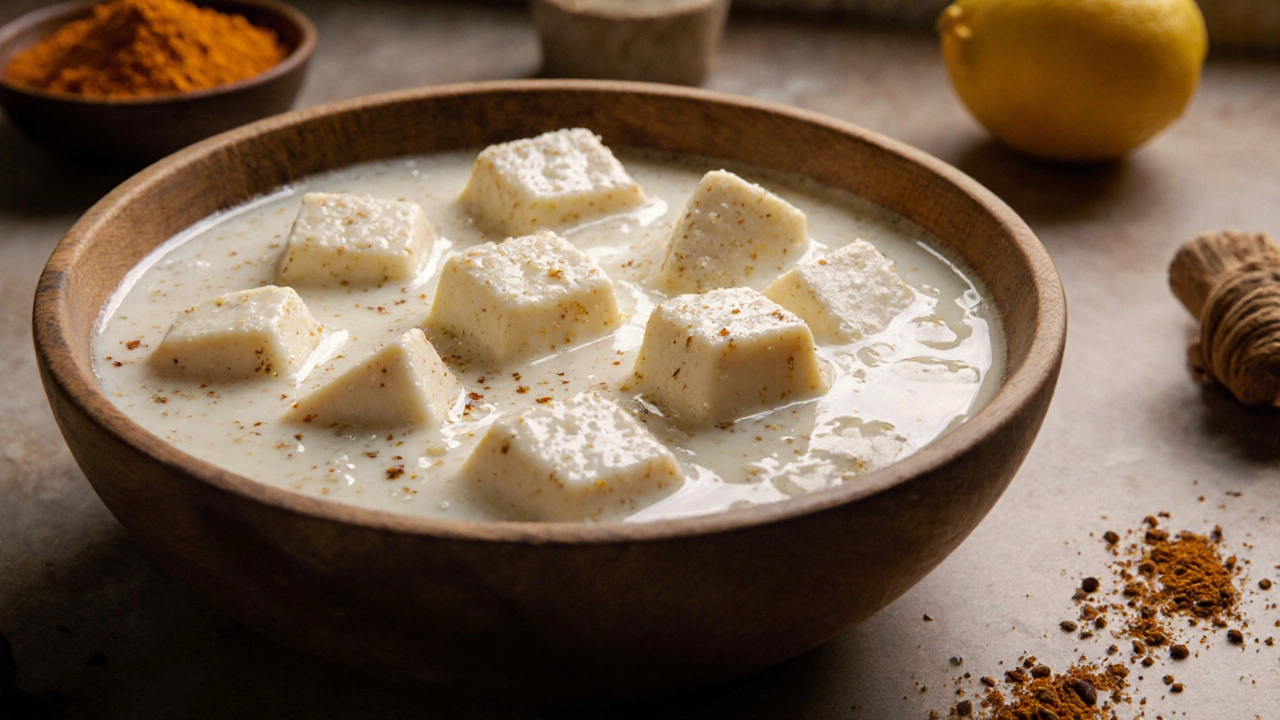
When you make paneer texture, the physical feel and structure of fresh Indian cottage cheese that changes based on how it’s made and handled. Also known as Indian cottage cheese, it’s the backbone of dozens of popular dishes—from paneer butter masala to tikka and stir-fries. But get the texture wrong, and even the best spices won’t save it. Too soft? It falls apart in the curry. Too hard? It’s chewy and dry. The difference isn’t luck—it’s science.
What controls paneer texture? Three things: milk fat, heat, and pressure. Whole milk gives you creamy, slightly soft paneer. Skim milk? You’ll get something dry and crumbly, like feta. The temperature of the acid you add—lemon juice or vinegar—matters too. Boiling milk before adding acid helps proteins set evenly. And how long you press it? That’s your main dial. Light pressure for 15 minutes? Soft, melt-in-your-mouth paneer. Heavy pressure for an hour? Firm, sliceable cubes that hold up in grills and fries. No magic, just control.
And it’s not just about making it right the first time. What you do after matters. Soaking paneer in warm water for 10 minutes before cooking? That’s the secret to keeping it juicy, not rubbery. Skipping that step? You’ll end up with chalky bites, even if you used the best milk. Some people fry it first to lock in moisture. Others skip frying and just simmer it gently in sauce. Each method gives a different result—and each works for different dishes. Paneer in a creamy curry? Softer is better. Paneer in a street-style chaat? Firmer holds up better. Paneer in a grilled sandwich? You want it crisp on the outside, tender inside.
You’ll find posts here that break down exactly how much milk you need to get the yield you want, why yogurt marinades affect how paneer holds up, and how to fix paneer that turned out too soft or too hard. No guesswork. No vague advice like "just press it longer." Just clear, tested steps based on real results in Indian kitchens. Whether you’re making paneer for the first time or you’ve been making it for years and still can’t get it right, you’ll find the fix here.