What Indian People Drink for Breakfast? Top Beverages and Simple Recipes
Explore the most common Indian breakfast drinks, their regional roots, health benefits, and simple home recipes for chai, lassi, buttermilk, and more.
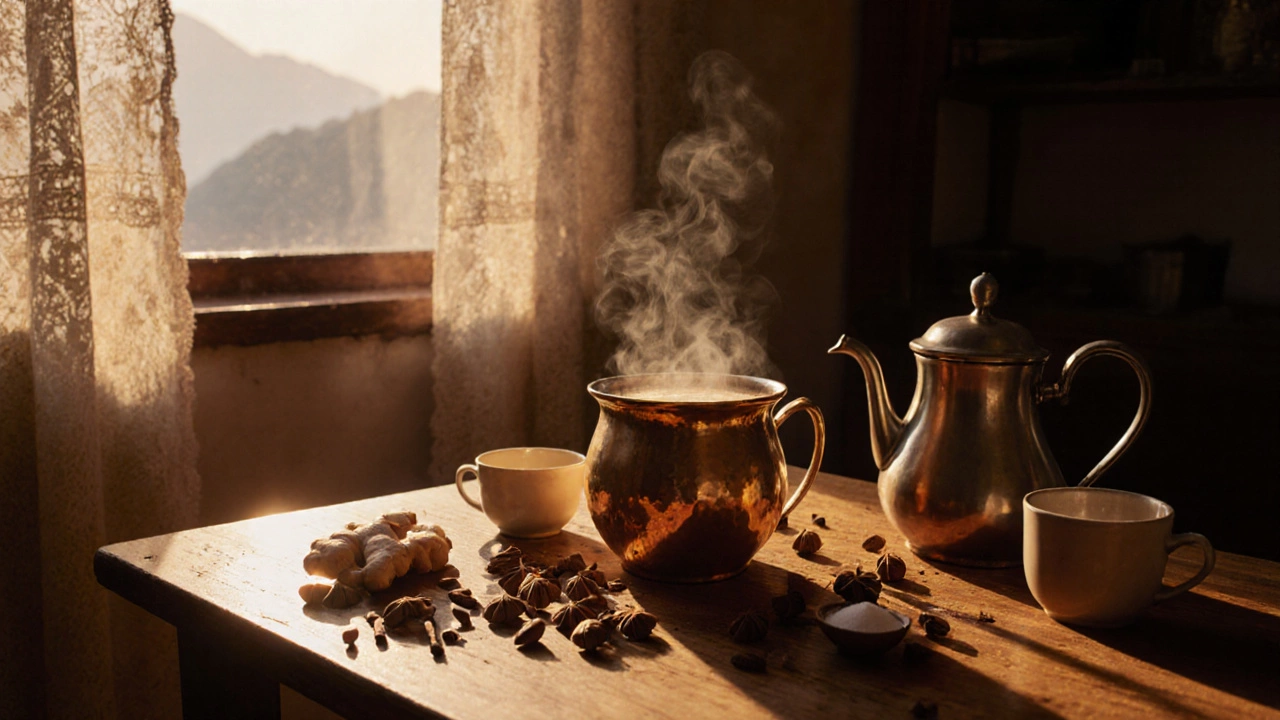
When you think of masala tea, a fragrant, spiced black tea brewed with milk, sugar, and a blend of Indian spices like cardamom, ginger, and cinnamon. Also known as Indian chai, it’s not just a drink—it’s a moment. A pause. A warm hand holding a cup on a cold morning, or a quick reset between chores. This is the tea that wakes up villages, fuels offices, and ends long days across India.
What makes masala tea different from regular tea? It’s the spices. Not just one or two, but a mix—often cardamom for sweetness, ginger for bite, cinnamon for depth, and sometimes cloves or black pepper for warmth. These aren’t added randomly; they’re chosen for how they work with black tea and milk. The tea is simmered, not steeped, letting the spices release their oils slowly into the liquid. That’s why it tastes richer than any tea bag you’ve ever had. And it’s not just about flavor—it’s about tradition. Families pass down their own spice blends, like recipes for curry or pickles. Your grandmother’s masala tea might have more ginger. Your neighbor’s might use fennel seeds. Both are right.
It’s also tied to how you drink it. No one in India sips masala tea cold. It’s always hot. Often served in small glasses or cups, sometimes with a splash of milk, sometimes with a lot. It’s not a fancy drink—it’s everyday. You’ll find it at street corners, train stations, and in homes where people boil it on a gas stove while making roti. Even though coffee is growing in cities, masala tea still wins in villages, towns, and most kitchens. It’s the drink you turn to when you’re tired, sick, or just need to feel grounded.
And it’s not just about the tea itself. The way it’s made matters. The order you add spices. How long you boil the milk. Whether you use loose tea leaves or tea powder. These small choices change everything. That’s why you’ll find posts here about how to get the perfect foam, why some people skip sugar, and how to make it without milk if you need to. You’ll also see how it connects to other Indian staples—like how ginger in chai is the same ginger used in dal tadka, or how cardamom shows up in sweets too. It’s all part of the same flavor language.
What you’ll find in this collection isn’t just recipes. It’s the stories behind the brew. The mistakes people make when they try to copy it from YouTube. The regional twists—from Kerala’s coconut milk version to Delhi’s strong, sweet brew. The science behind why boiling spices in milk works better than steeping them. And how even a simple cup can feel like home, no matter where you are.
Explore the most common Indian breakfast drinks, their regional roots, health benefits, and simple home recipes for chai, lassi, buttermilk, and more.