How Long Should I Soak Dal Before Cooking? Best Times for Every Type
Learn the right soaking times for different types of dal to cook faster, digest better, and get creamy results every time. No more hard lentils or bloating.
When you soak lentils, a group of small, protein-rich legumes used daily in Indian kitchens. Also known as dals, they're the backbone of home cooking across India—from simple tadka dal to rich dal makhani. Skipping this step isn’t just a shortcut—it’s missing out on better texture, faster cooking, and easier digestion. Soaking isn’t optional if you want your lentils to taste right and sit well in your stomach.
Most people think soaking is just about softening lentils before cooking, but it does more. It breaks down phytic acid, a natural compound that blocks iron and zinc absorption. Studies show soaked lentils release up to 40% more nutrients than unsoaked ones. It also cuts cooking time by half, which saves gas and keeps the lentils from turning mushy. If you’ve ever had a pot of dal that took forever to cook and still felt gritty, that’s why. Soaking lentil soaking, the practice of immersing dried lentils in water before cooking is the first step to making dal that’s creamy, not chalky.
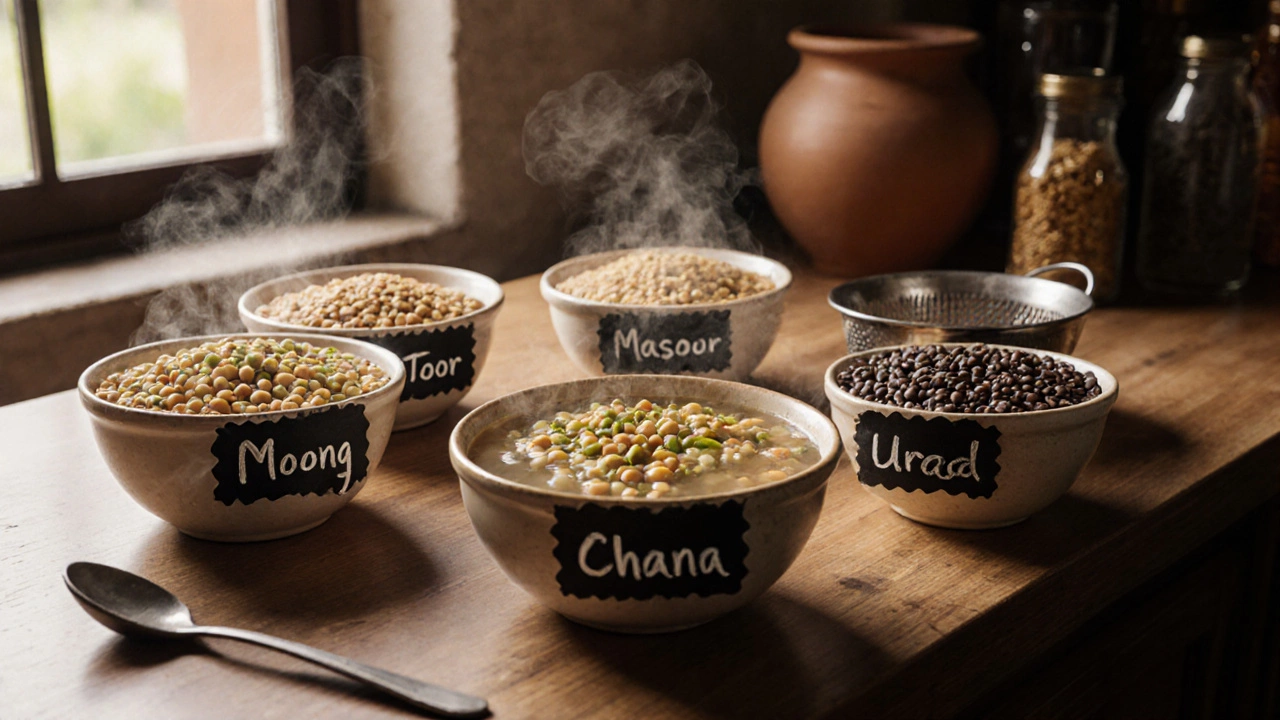
Not all lentils need the same treatment. Red lentils (masoor dal) can skip soaking if you’re in a hurry, but they’ll still cook better if you do. Green and brown lentils (moong dal, chana dal) benefit from at least 4 hours. For tougher varieties like toor dal or urad dal, overnight soaking is ideal. The water should be at room temperature, and you need at least 2 cups of water for every cup of lentils. Drain and rinse before cooking—don’t use the soaking water. It’s full of compounds you’re trying to remove.
Some folks think soaking makes lentils lose flavor, but that’s not true. The flavor stays. What changes is the texture and how your body handles it. If you’ve had bloating after eating dal, soaking might be the fix you didn’t know you needed. It’s not magic—it’s basic food science. And it’s been used in Indian kitchens for centuries for a reason.
What you’ll find below are real, tested methods from home cooks who’ve mastered dal. You’ll see how soaking affects cooking time, how to adjust for different climates, and why some recipes skip it altogether. Whether you’re making a quick weekday meal or a weekend special, these posts will help you get it right—every time.
Learn the right soaking times for different types of dal to cook faster, digest better, and get creamy results every time. No more hard lentils or bloating.