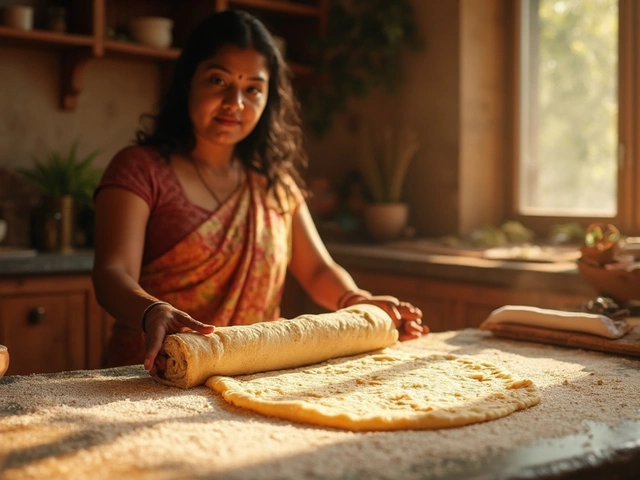
Top Vegetarian Indian Dishes You Must Try
Discover the best vegetarian Indian dishes, from classic curries to tasty snacks, with easy recipes, tips, and a handy checklist for flavorful home cooking.
When you think of Indian vegetarian cuisine, a diverse, region-rich system of plant-based meals built on lentils, dairy, spices, and grains. Also known as vegetarian Indian food, it’s not just about avoiding meat—it’s about celebrating ingredients that have fed families for centuries. This isn’t a diet. It’s a culture. Over 400 million people in India eat vegetarian meals every day, not because they have to, but because the flavors, textures, and traditions make it irresistible.
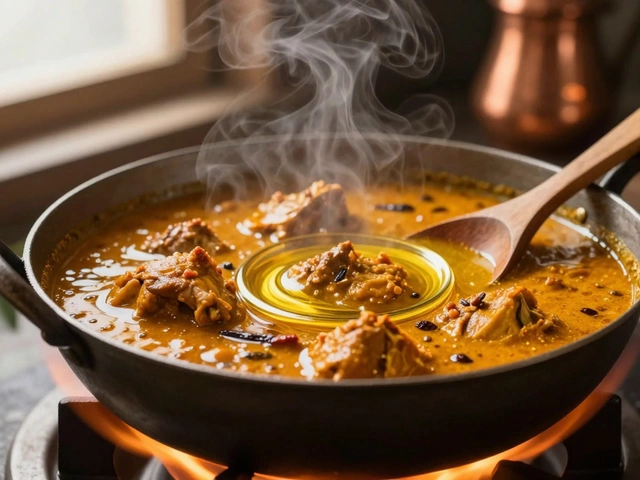
At its heart, dal tadka, a humble bowl of lentils tempered with cumin, garlic, and chili. Also known as tadka dal, it’s the daily foundation of Indian homes from Punjab to Tamil Nadu. Then there’s paneer, a fresh, non-melting cheese made by curdling milk with lemon or vinegar. Also known as Indian cottage cheese, it soaks up spices like a sponge and turns simple stir-fries into comfort food. And let’s not forget dosa, a crisp, fermented rice-and-lentil crepe served with coconut chutney and sambar. Also known as South Indian pancake, it’s breakfast, snack, and meal all in one. These aren’t fancy restaurant dishes. They’re what people cook on weeknights, pack for lunch, and crave after a long day.
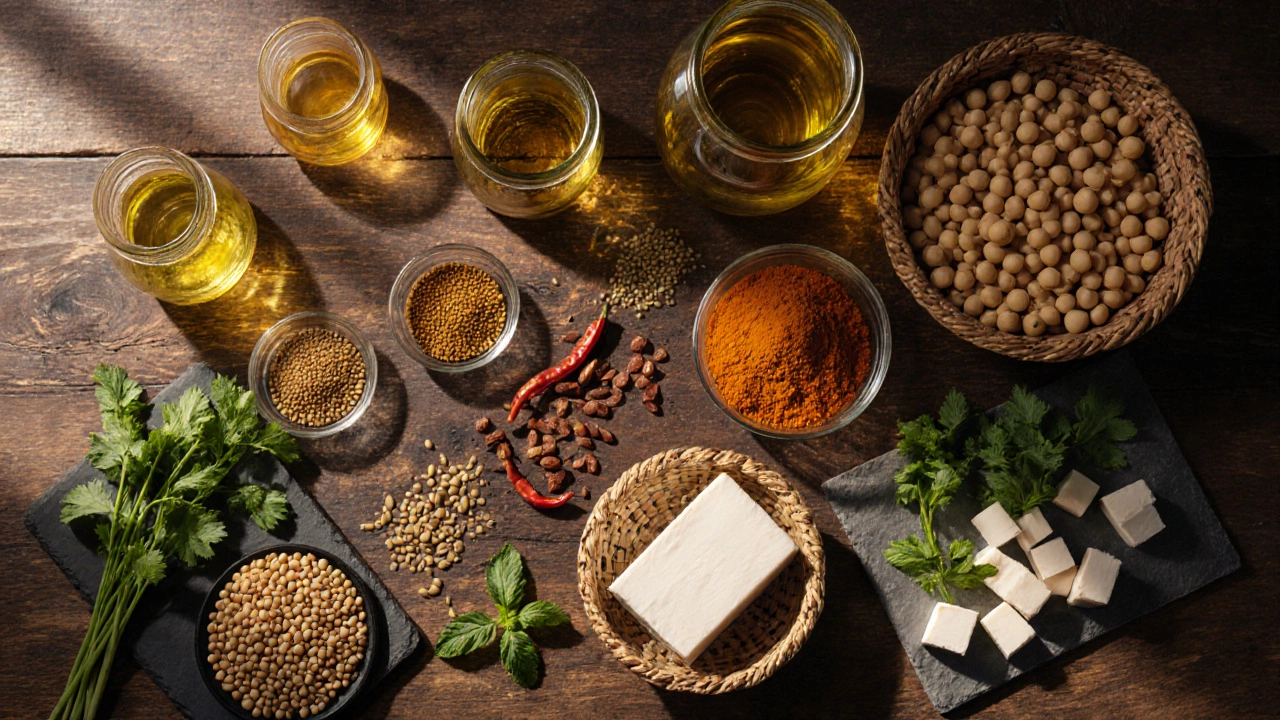
Indian vegetarian cuisine doesn’t need meat to be filling. Lentils give you protein. Yogurt and paneer give you calcium. Whole grains like millet and barley give you fiber. The magic is in the spices—cumin, turmeric, coriander, asafoetida—that don’t just add heat, but depth, balance, and digestion-friendly benefits. You won’t find a single Indian vegetarian dish that’s just boiled and salted. Even the simplest dal gets a tempering. Even plain rice gets a squeeze of lemon. Every bite has intention.
What you’ll find in the posts below isn’t a list of recipes. It’s a behind-the-scenes look at how these meals actually work. Why does your dosa batter need to ferment for exactly 12 hours? Why is jaggery used instead of white sugar in sweets? Why is marinating paneer non-negotiable? You’ll learn the real reasons—no fluff, no guesswork. Whether you’re trying to make your first dal, pick the healthiest curry at a restaurant, or just understand why roti has to be round, this collection cuts through the noise. No exotic ingredients. No complicated steps. Just clear, practical truths from kitchens that have been cooking the same way for generations.
Discover the best vegetarian Indian dishes, from classic curries to tasty snacks, with easy recipes, tips, and a handy checklist for flavorful home cooking.