Understanding Junk Food in India: Types, Health Impact, and Smarter Choices
Explore what qualifies as junk food in India, its popular forms, health impacts, and practical swaps to enjoy flavor while staying healthier.
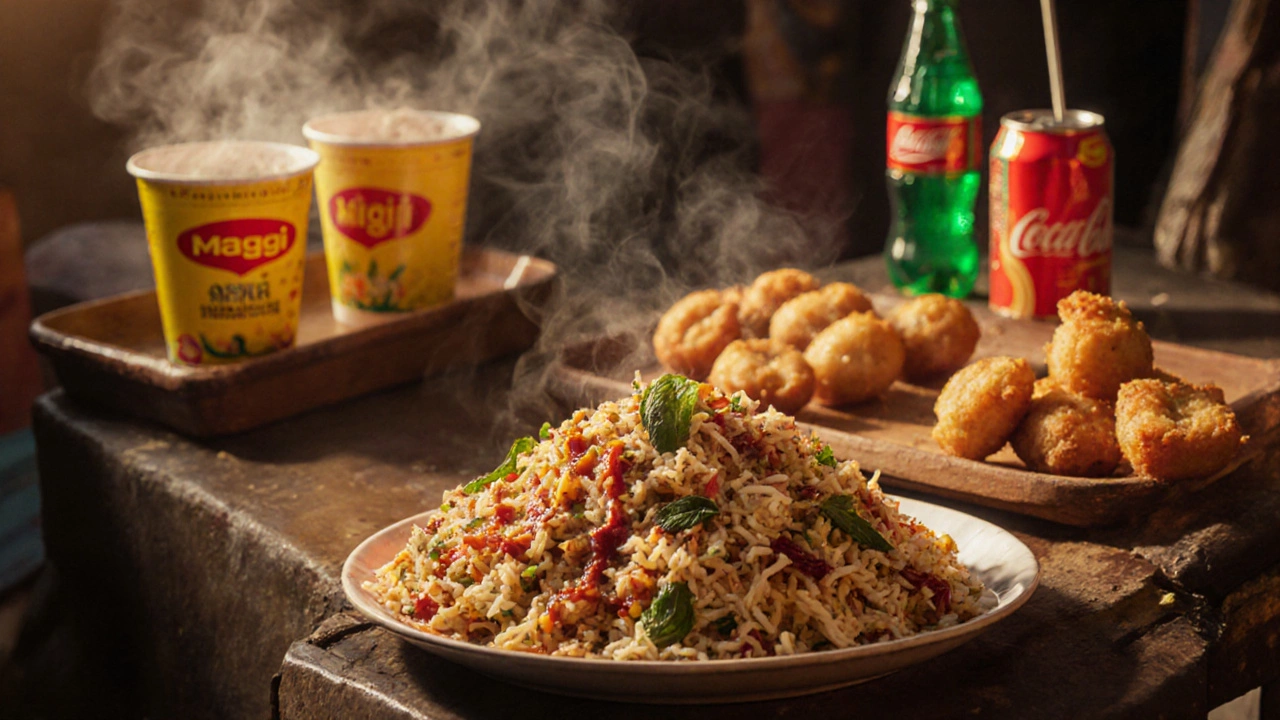
When people think of Indian food, they often imagine rich curries and fragrant biryanis—but Indian junk food, crispy, fried, and wildly flavorful street snacks that dominate local markets and roadside stalls. Also known as Indian street food, these bites aren’t just snacks—they’re culture on a plate, eaten by millions every day, whether on the way to work or after evening prayers. Unlike Western junk food, which often relies on sugar and processed oils, Indian junk food uses spices, lentils, and fresh vegetables to deliver bold flavor in a crunchy package.
Take samosa, a triangular pastry filled with spiced potatoes, peas, and sometimes meat, then deep-fried until golden. Also known as Indian fried pastry, it’s the go-to snack in every city from Delhi to Chennai. Or pani puri, a hollow, crispy ball stuffed with potato, chickpeas, and tangy tamarind water that bursts in your mouth. Also known as golgappa, it’s not just food—it’s an experience, often eaten with friends, laughing as the spicy water splashes everywhere. Then there’s bhajji, vegetables dipped in chickpea batter and fried until crunchy, usually served with mint chutney. Also known as bhaji, it’s what you grab when you need something hot, salty, and quick. These aren’t occasional treats—they’re daily rituals. You’ll find them outside train stations, near temples, and beside school gates, sold by vendors who’ve been making them the same way for decades.
What makes these snacks so hard to resist? It’s not just the crunch. It’s the balance—spicy, sour, sweet, and salty all in one bite. The oil is hot, the spices are fresh, and the texture is perfect. No one eats Indian junk food for nutrition. They eat it because it tastes like home, like childhood, like a busy street on a rainy afternoon. And yes, it’s fried. But it’s also made with ingredients you can recognize—potatoes, onions, lentils, chili. No mystery chemicals. Just skill, heat, and time.
What you’ll find in the posts below are real, tested recipes and honest takes on these snacks. You’ll learn how to make samosa dough that doesn’t crack, how to get pani puri shells crisp without buying them pre-made, and why some bhajjis turn soggy while others stay crunchy for hours. No fluff. No theory. Just what works.
Explore what qualifies as junk food in India, its popular forms, health impacts, and practical swaps to enjoy flavor while staying healthier.