Indian Food Restrictions: What You Can and Can't Eat in Indian Cuisine
When people talk about Indian food restrictions, the dietary rules shaped by religion, region, and tradition that guide what millions eat daily. Also known as Indian dietary customs, it's not just about avoiding meat—it's about how food connects to belief, identity, and daily life. Over 400 million people in India follow vegetarian diets, not because it’s trendy, but because it’s woven into their spiritual and cultural fabric. Hinduism, Jainism, and some Buddhist traditions encourage or require plant-based eating, and these rules aren’t optional—they’re daily practice.
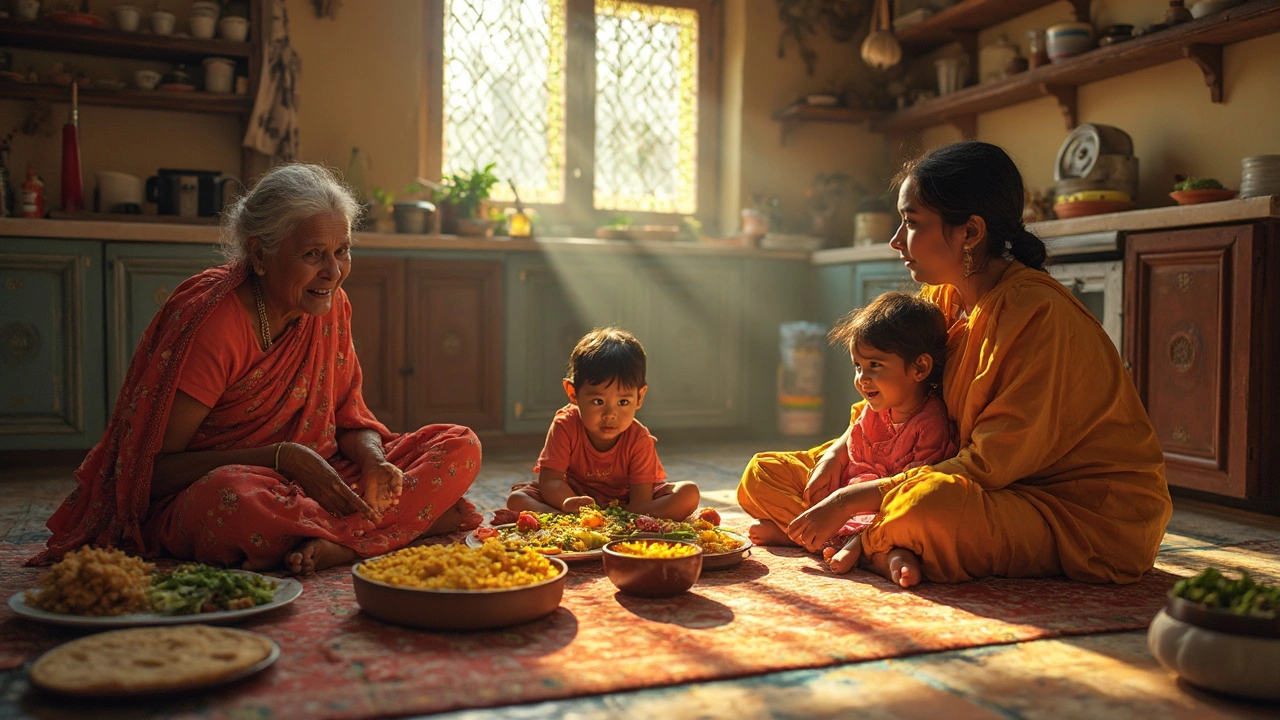
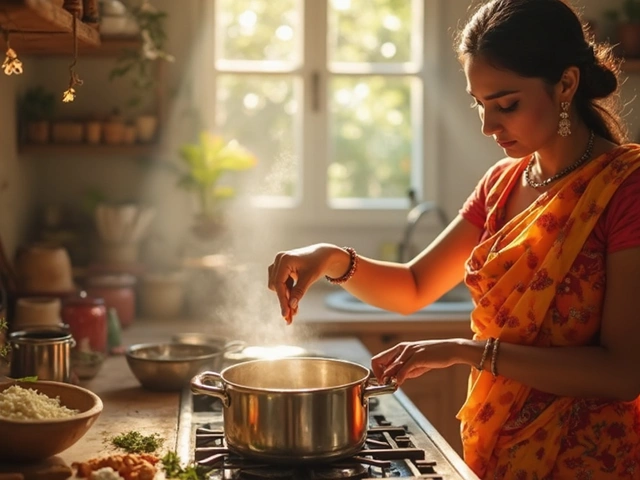
It’s not just about skipping meat. Many Hindus avoid eggs, onions, and garlic during religious periods, while Jains go even further—no root vegetables like potatoes or carrots because harvesting them kills the plant and tiny organisms in the soil. Even the way food is prepared matters: some families won’t eat food cooked by someone who isn’t vegetarian, or won’t use the same utensils for meat and vegetables. These aren’t quirks—they’re deeply held values passed down for generations. And yes, this affects what you’ll find in homes, street stalls, and restaurants across the country. If you’re eating Indian food in India, you’re eating within a system of rules that’s older than most modern diets.
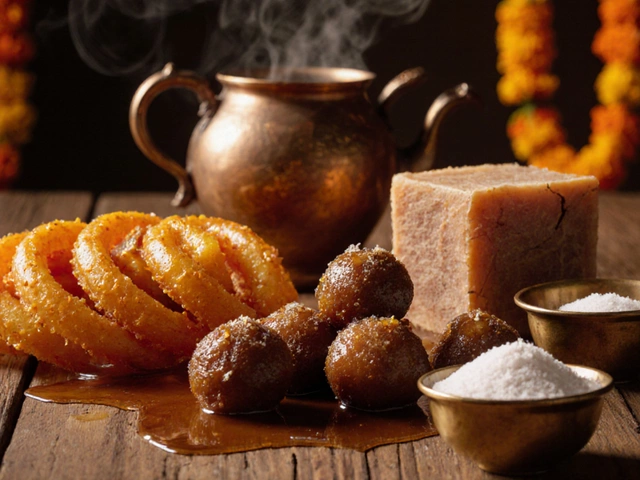
What you won’t find in many Indian kitchens? Beef. Cows are sacred in Hinduism, and eating beef is banned in most states. Pork is rare in Muslim-majority areas, and alcohol is avoided in many households during festivals or daily worship. Even sugar has rules—some traditional sweets use jaggery instead of white sugar because it’s seen as more natural and less processed. These aren’t random bans; they’re part of a larger framework that links food to purity, health, and respect for life.
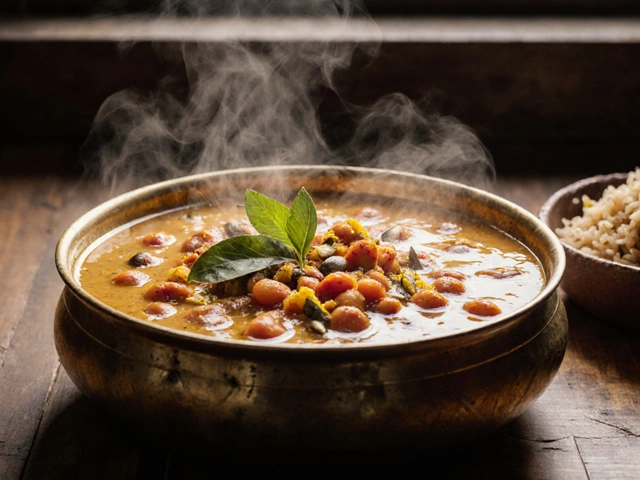
These restrictions don’t make Indian food boring—they make it richer. Without meat, Indian cooks mastered lentils, legumes, dairy, and spices to build flavor and protein in ways few cuisines do. Dal tadka, paneer curry, and chana masala aren’t just alternatives—they’re the heart of the table. And if you’re curious about what’s safe to eat, what’s off-limits, or why certain dishes skip certain ingredients, you’re not alone. Below, you’ll find real answers from people who cook this food every day: why roti is round, how to make paneer without milk waste, which oils give the crispiest dosa, and why some Indian sweets can’t use regular sugar. This isn’t a list of rules to follow—it’s a window into how food shapes culture, one meal at a time.