Why India Is Predominantly Vegetarian: History, Culture, and Cuisine
Explore the blend of religion, climate, history, and policy that makes India one of the world's most vegetarian societies, with clear examples and a useful FAQ.
When people talk about the Indian diet, a diverse, regionally varied eating pattern rooted in plant-based foods, spices, and traditional cooking methods. Also known as South Asian diet, it's not a single set of rules—it's hundreds of local habits shaped by climate, religion, and generations of kitchen wisdom. Most outside India think it’s all creamy curries and fried snacks, but that’s like saying American food is just burgers and fries. The real Indian diet is built on balance: lentils for protein, whole grains for energy, vegetables for fiber, and spices that do more than just add heat—they aid digestion and reduce inflammation.
This diet doesn’t rely on meat. In fact, India has more vegetarians than any other country—over 400 million people—and that’s not because of trends, it’s because of deep-rooted cultural and religious practices. The everyday meal? Dal tadka, a simple lentil stew tempered with cumin, garlic, and dried chilies. It’s the foundation of most Indian homes, served with rice or roti, a thin, unleavened flatbread cooked on a hot griddle. These aren’t fancy dishes—they’re practical, affordable, and packed with nutrients. You won’t find a lot of dairy in every meal, but when it shows up, it’s usually in the form of paneer, a fresh, non-melting cheese made by curdling milk with lemon or vinegar. It’s a protein powerhouse, used in everything from stir-fries to creamy gravies, without the heaviness of cream or butter.
The Indian diet works because it’s not restrictive—it’s smart. Lentils soak overnight to cut cooking time and improve digestion. Spices like turmeric and cumin are toasted to unlock their benefits. Oil is used, but not wasted—just enough to carry flavor and help absorb fat-soluble vitamins. Even sweets are made with jaggery or sugar syrup, not refined white sugar alone. And yes, there are unhealthy versions too—naan loaded with ghee, fried snacks, sugary desserts—but those aren’t the norm. They’re exceptions, often reserved for festivals or special occasions.
What you’ll find in the posts below isn’t a list of "superfoods" or fad diets. It’s the real, day-to-day food that millions eat in India. You’ll learn why roti has to be round, how much milk you actually need to make paneer, which Indian curry is truly healthy to order, and why rinsing yogurt off chicken before cooking is a mistake. You’ll see the dishes that don’t have curry at all—like dosa, pani puri, and lemon rice. You’ll find out which oils give you the crispiest dosas, how long to soak dal, and what sugar makes Indian sweets taste right. This isn’t about exoticism. It’s about understanding a system that’s been refined over centuries to be nutritious, sustainable, and deeply satisfying.
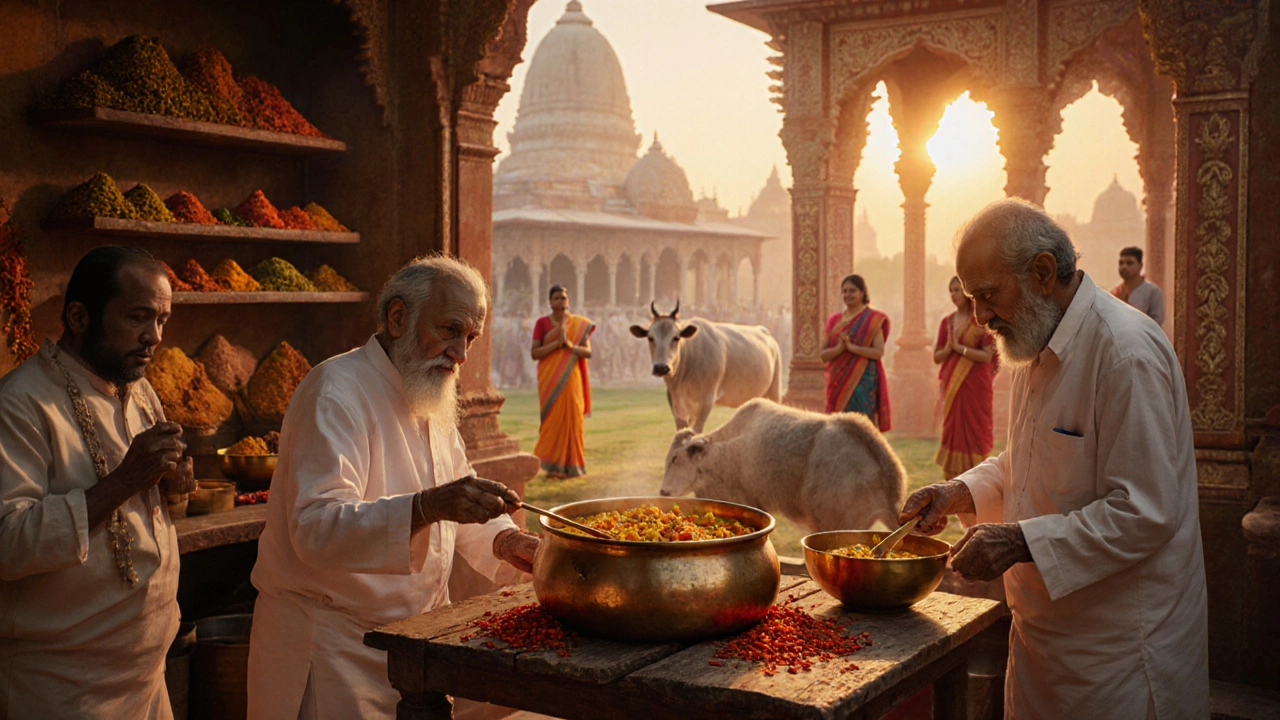
Explore the blend of religion, climate, history, and policy that makes India one of the world's most vegetarian societies, with clear examples and a useful FAQ.
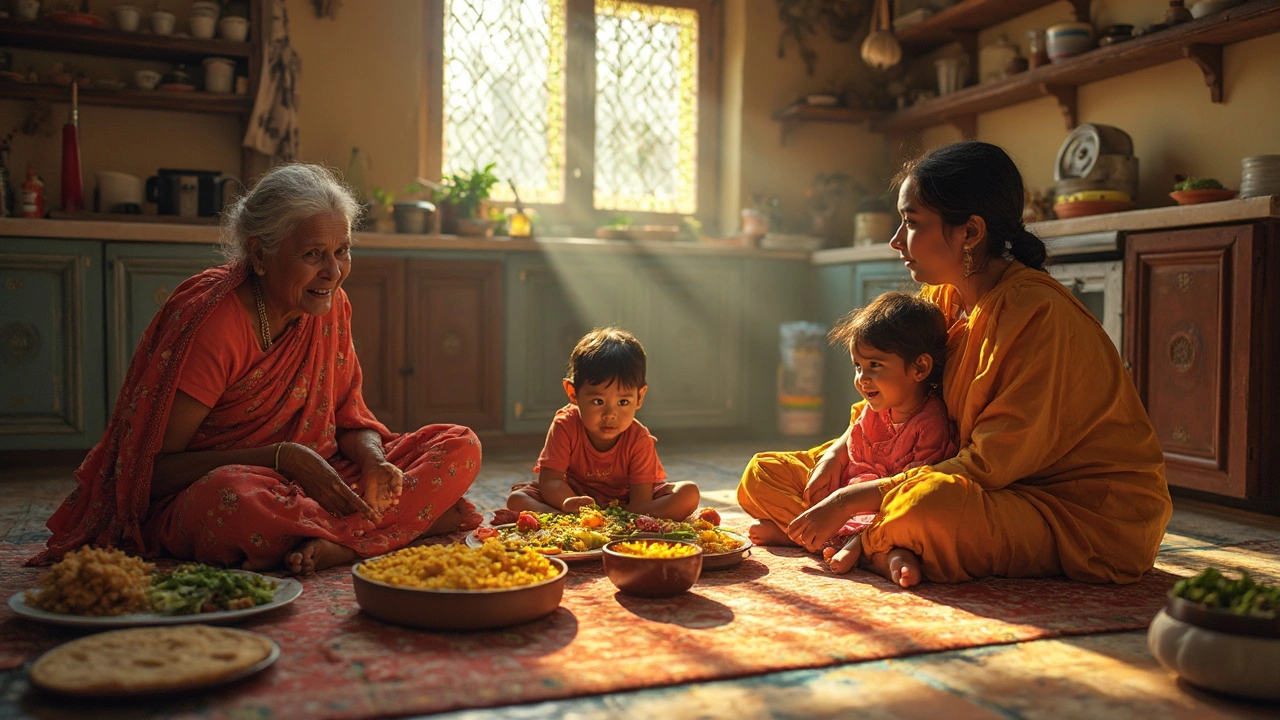
Ever wondered what ingredients rarely show up on Indian plates? This article unpacks the most commonly avoided foods in Indian households, from meats to certain vegetables. Find out why these choices are made, how religion shapes eating habits, and which substitutes keep Indian recipes so flavorful. Useful tips make it easier to cook crowd-pleasing meals without breaking traditions. Perfect for home cooks curious about authentic Indian food preferences.