American Travelers’ Food Guide: What to Eat in India
A practical guide for American travelers in India, highlighting mild dishes, vegetarian options, how to customize spice, regional tips, safe dining practices, and FAQs.
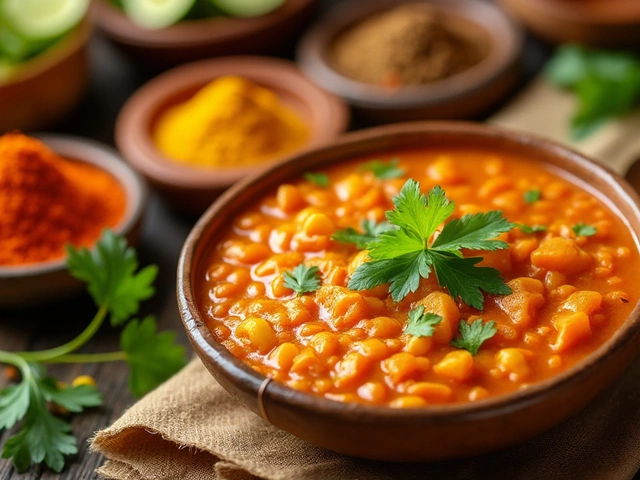
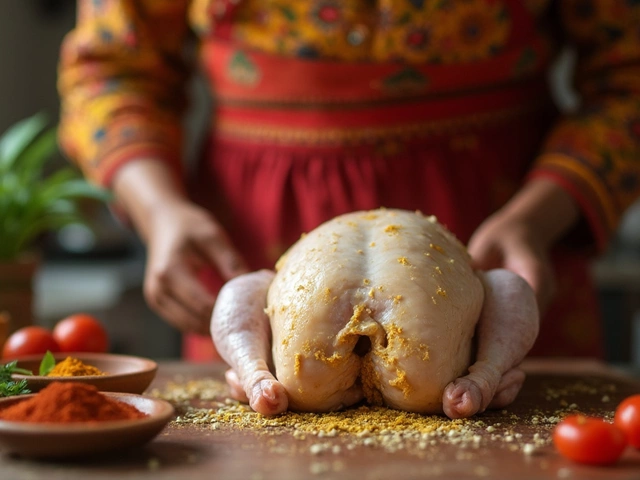
When you think of an India travel food guide, a practical resource for experiencing real Indian cuisine beyond tourist traps. Also known as Indian culinary travel guide, it’s not just a list of restaurants—it’s your roadmap to understanding what people actually eat every day, from Mumbai street corners to village kitchens in Rajasthan. This isn’t about fancy restaurants with gold leaf on their biryani. It’s about the crispy dosa, a fermented rice and lentil crepe served with coconut chutney and sambar you’ll find rolled fresh at 7 a.m. in Chennai, the tandoori chicken, charred over charcoal in a clay oven with yogurt and spice sizzling on skewers in Delhi, and the simple dal tadka, lentils tempered with cumin and garlic that’s the backbone of most Indian homes.
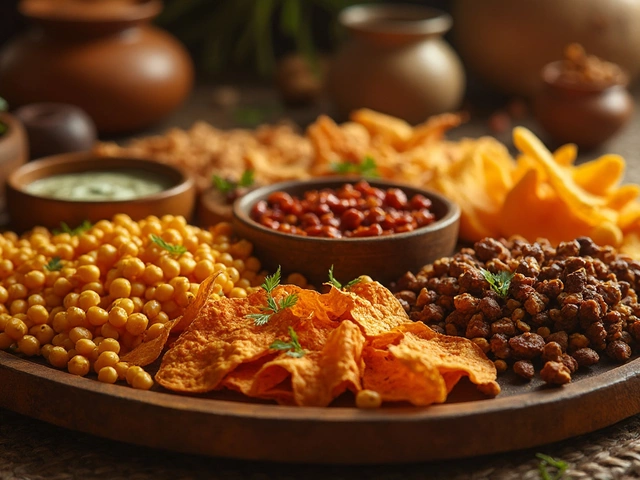
What makes Indian food so different when you travel? It’s not just spice—it’s context. In Maharashtra, breakfast is vada pav, a spicy potato fritter in a bun. In Punjab, it’s paratha with butter and pickles. In Kerala, it’s appam with stew. You won’t find curry as a single dish—it’s a term outsiders use for everything from thin lentil soups to thick paneer gravies. The real secret? Every region has its own rules. Some places use coconut milk. Others rely on tamarind or dried mango powder. And yes, not all Indian food has sauce. You’ll eat pani puri, crisp hollow balls filled with spiced water and tamarind chutney with your hands, no plate needed. You’ll bite into tandoori vegetables, charred on skewers with smoky spice and wonder why you ever thought Indian food meant heavy cream.
And then there’s the truth about ingredients. Apples in India? They’re often imported, but local ones are fine if washed right. Paneer? It needs marinating—or it turns rubbery. Dosa batter? Ferment it too long and it turns sour; too short and it won’t crisp. These aren’t just recipes—they’re small cultural codes. Skip the naan at your hotel buffet. Try roti instead. It’s simpler, healthier, and made fresh at roadside stalls. The healthiest dish you can order? Tarka dal. No cream. No oil overload. Just lentils, spices, and a splash of ghee. And if you’re vegetarian? You’re in the right country. Over 400 million Indians don’t eat meat, and their food is richer for it.
What you’ll find in the posts below isn’t a tourist brochure. It’s the real talk from people who cook this food daily. How to make biryani taste like it came from a grandmother’s kitchen. Why tandoori chicken turns black inside—and why that’s good. What oil actually makes dosa crispy. How to soak dal so it doesn’t bloat you. These aren’t tips from a blog with a fancy camera. They’re the answers you get when you ask someone who’s been stirring pots since they were six. This guide doesn’t just tell you where to eat. It shows you how to eat right—anywhere in India.
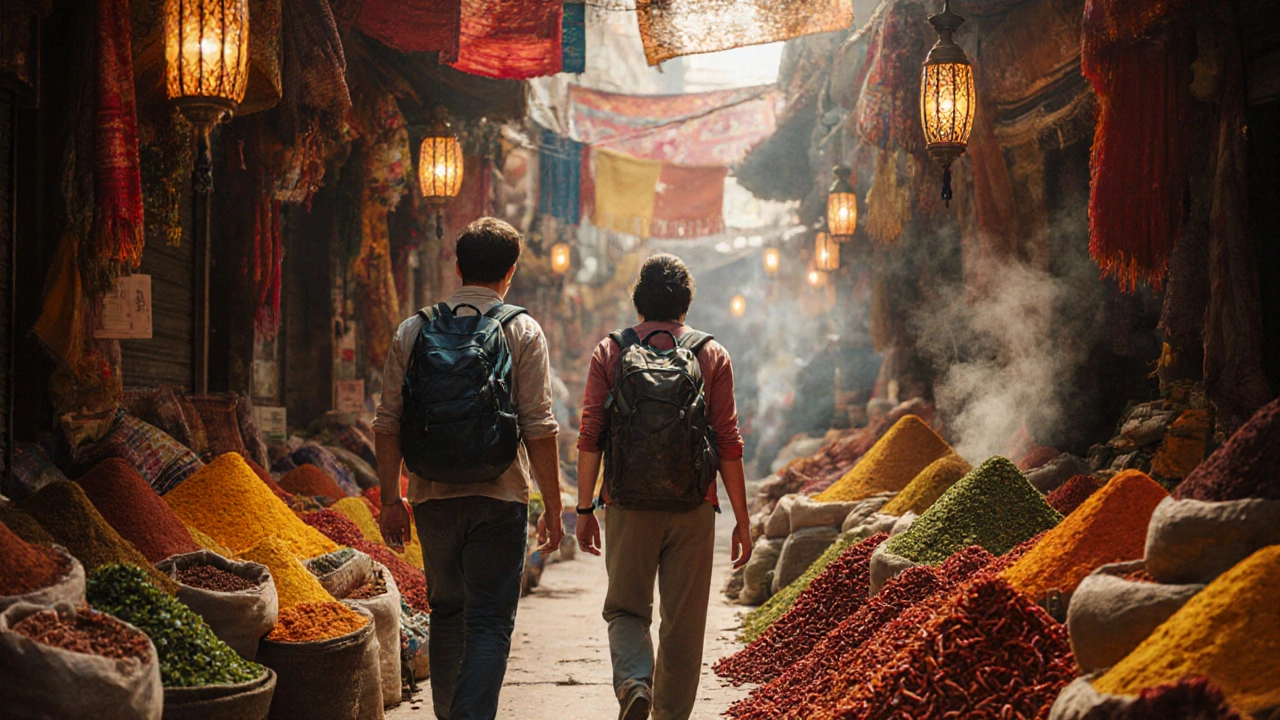
A practical guide for American travelers in India, highlighting mild dishes, vegetarian options, how to customize spice, regional tips, safe dining practices, and FAQs.