How to Improve Curry Taste: Pro Tips for Richer, Deeper Flavor
When you think of curry, a spiced, saucy dish central to Indian home cooking. Also known as curried dish, it’s not just about tossing spices into a pot—it’s about building flavor step by step, just like generations of Indian cooks have done. Too many people think curry is just curry: thick, red, and spicy. But the truth? A great curry has layers—deep, warm, complex, and balanced. It’s not about how many spices you use, but how you use them.
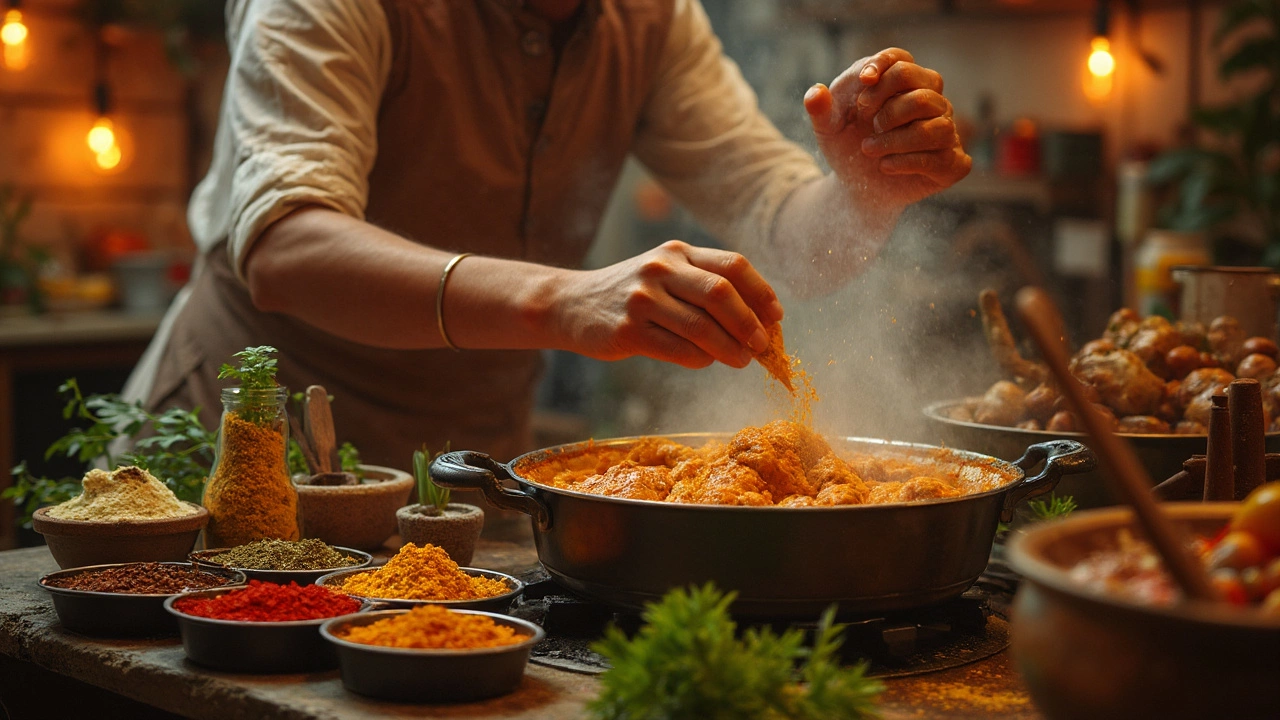
One of the biggest mistakes? Adding all the spices at once. That’s like dumping salt into soup and calling it done. Real flavor comes from toasting whole spices like cumin, mustard, and fenugreek in hot oil before anything else. That’s when their oils wake up and release aroma. Then you add ginger-garlic paste and cook it until the raw smell disappears—that’s the base. After that, you add ground spices like turmeric, coriander, and chili powder, and stir them in for just a minute. This step, called tadka, the tempering technique used to unlock spice potential. Also known as chaunk, it’s what turns ordinary ingredients into something unforgettable. Skip this, and your curry will taste flat, no matter how much garam masala you throw in.
Another secret? Acid and sweetness. A splash of lemon juice or tamarind paste right at the end brightens everything up. A pinch of sugar? Not to make it sweet, but to round out the heat and acidity. And don’t forget yogurt or coconut milk—they don’t just add creaminess, they help mellow out harsh spices and let the deeper flavors shine. If your curry tastes one-dimensional, it’s probably missing this balance. Try it next time: taste before you serve. If it needs more depth, add a little more salt. If it’s too sharp, add a teaspoon of sugar. If it’s too heavy, squeeze in half a lemon. These aren’t tricks—they’re how Indian moms fix dinner when it’s not quite right.
Then there’s time. A curry that simmers for 20 minutes tastes better than one that’s ready in 10. The longer it cooks, the more the spices sink into the sauce, the meat or veggies soften, and the flavors marry. Don’t rush it. Even if you’re short on time, let it rest for 15 minutes after turning off the heat. That’s when the magic happens.
You’ll find all these tricks—and more—in the posts below. From how to fix a bland curry with basic pantry items, to why some Indian cooks never add water to their curries, to the exact order of adding spices in a Punjabi-style chicken curry. You’ll also learn what makes a curry taste restaurant-quality without cream or butter, how to use dried fenugreek leaves properly, and why some of the best curries start with nothing but onions, garlic, and oil. These aren’t fancy techniques. They’re the quiet, powerful habits passed down in Indian kitchens for decades. And now, they’re yours to use.