How Much Milk Do You Need to Make Paneer at Home?
Learn exactly how much milk you need to make homemade paneer, based on milk fat content, yield, and practical tips for perfect results every time.
When you think of homemade paneer, a fresh, unaged Indian cheese made by curdling milk with acid. Also known as Indian cottage cheese, it’s the backbone of dozens of beloved dishes—from paneer butter masala to palak paneer—and it’s shockingly simple to make yourself. You don’t need fancy equipment, aging rooms, or specialty cultures. Just milk, lemon juice or vinegar, and a little patience. And once you try it fresh out of the press, you’ll never go back to the rubbery blocks sold in stores.
Paneer is a vegetarian Indian food, a high-protein, low-fat dairy staple that’s used in everything from street snacks to festive feasts. It holds its shape when grilled, fried, or simmered in gravy, making it perfect for people who want rich flavor without meat. Unlike Western cheeses, paneer doesn’t melt—it browns, crisps, and soaks up spices like a sponge. That’s why it’s so popular in Indian cheese, a category defined by its fresh, non-fermented, non-aged nature. It’s made daily in homes across North India, from Punjab to Uttar Pradesh, and it’s the reason why dishes like paneer tikka and mattar paneer taste so deep and satisfying.
Making paneer at home takes less than 30 minutes and costs a fraction of what you’d pay in the supermarket. The key? Use full-fat milk—never skim or low-fat. Heat it slowly, then add lemon juice or vinegar until the curds separate cleanly from the whey. Strain it in a cloth, press it lightly under a weight, and you’ve got soft, pillowy cheese ready to use. Store-bought paneer often has additives to extend shelf life, which makes it dense and chewy. Your own version will be tender, creamy, and full of fresh milk flavor.
Once you start making paneer, you’ll find new ways to use it. Crumble it into salads, fry it with spices for a snack, or cube it and toss it into stir-fries. It pairs perfectly with tomatoes, onions, spinach, and bold spices like cumin and garam masala. And if you’ve ever wondered why your paneer dishes taste flat, it’s probably because the cheese wasn’t fresh. Homemade paneer changes everything.
Below, you’ll find real recipes and tips from people who cook this every day—how to press it right, how to avoid graininess, which milk works best, and even how to save the whey for bread or soups. No fluff. No guesswork. Just the kind of straight-up advice that turns good paneer into great paneer.
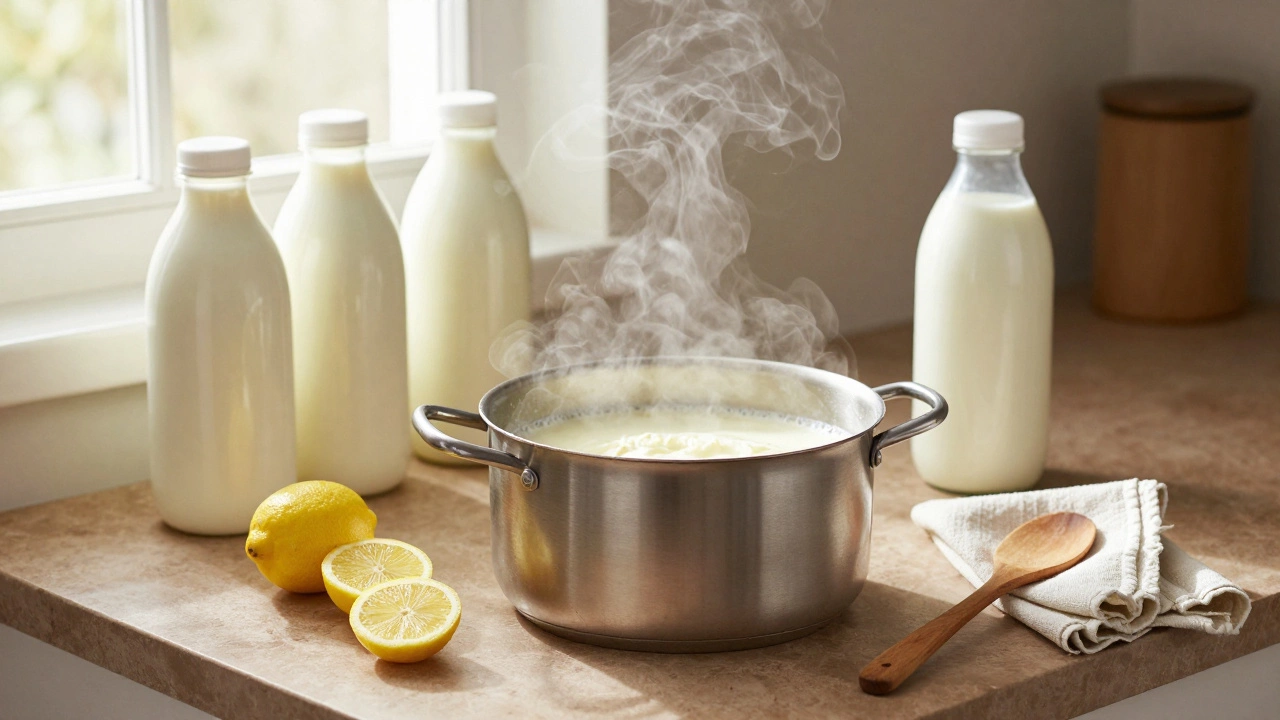
Learn exactly how much milk you need to make homemade paneer, based on milk fat content, yield, and practical tips for perfect results every time.
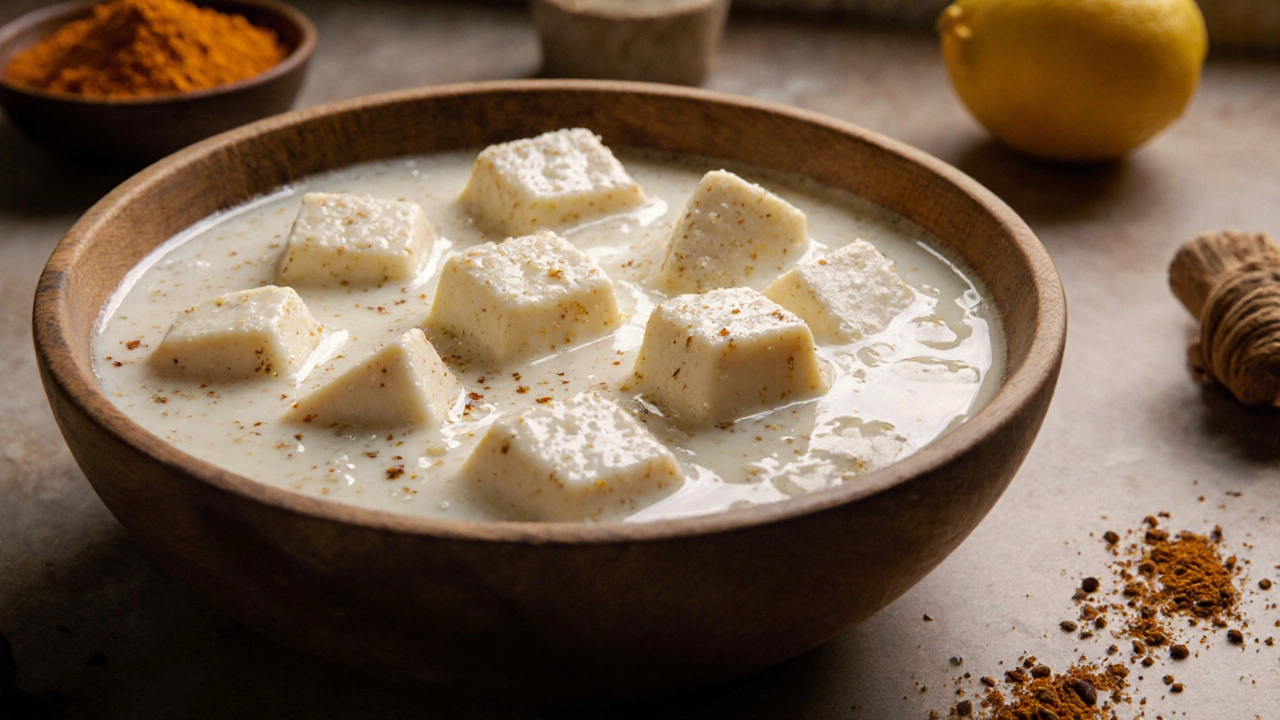
Marinating paneer isn't optional-it's the key to tender, flavorful results. Learn why skipping this step leads to bland, rubbery paneer and how to do it right with simple ingredients.

Curious about how much paneer you can make from a gallon of milk? Learn detailed yields, tips for perfection, and fascinating facts to level up your homemade paneer game.

Paneer turning rubbery is a common problem for home cooks. Learn why this happens and how to make soft, delicious paneer every time with science-backed tips.

Wondering what to do with all that cloudy liquid left after making homemade paneer? Most people just pour it down the drain, but whey is packed with nutrition and can actually be used in many creative ways. This article explores if it’s safe and good to drink whey, what it actually is, and the easiest ways to make the most of it. If you’ve been tossing your whey out, you might want to rethink things after reading this. Stop wasting and start sipping or cooking with that leftover goodness!

Wondering if paneer is bad for your gut? This article digs into how homemade paneer affects digestion, common gut reactions, and who should be cautious. You'll learn why paneer might work for some people and not others, what hidden ingredients can do, and practical tips to enjoy it without trouble. Get the facts, not the myths, so you can decide whether to keep paneer on your plate.

Paneer, a popular ingredient in many Indian dishes, often raises eyebrows among vegan food lovers. While the creamy texture might seem plant-based, paneer is actually a dairy product made from milk. Discover why paneer isn't vegan, how it differs from plant-based options, and explore interesting facts about its making process. This article provides handy tips for those curious about vegan alternatives to this beloved cheese.

Wondering if spoiled milk can find new life as homemade paneer? Before you toss out that carton, consider its potential in cheese making. Learn how spoiled milk can serve a surprising role in your kitchen and explore practical tips to avoid waste. This guide will walk you through the science behind why it works and offer step-by-step suggestions for turning sour milk into delicious paneer.

Ever wondered what to do with the leftover whey after making paneer at home? Instead of discarding this nutrient-rich liquid, explore creative ways to incorporate it into your cooking and baking. Discover delicious recipes, sustainability tips, and how whey can contribute to a more eco-friendly kitchen. Embrace the potential of whey and transform it into a valuable ingredient.