Top Vegetarian Indian Dishes You Must Try
Discover the best vegetarian Indian dishes, from classic curries to tasty snacks, with easy recipes, tips, and a handy checklist for flavorful home cooking.
When you think of healthy Indian vegetarian, a plant-based eating style rooted in centuries of tradition, regional diversity, and natural ingredients. Also known as Indian vegetarian cuisine, it’s not just about skipping meat—it’s about how lentils, vegetables, grains, and spices work together to fuel the body without relying on heavy oils or processed ingredients. This isn’t the butter-laden paneer dishes you see on restaurant menus. This is the everyday food cooked in homes across India: dal cooked with turmeric and cumin, rice tempered with mustard seeds, dosa made from fermented batter, and chutneys made from fresh herbs and tamarind.
Dal, a simple lentil stew, is the backbone of Indian vegetarian meals. Also known as lentil curry, it’s packed with plant protein and fiber, and when cooked with minimal oil and no cream, it’s one of the most nutrient-dense foods you can eat. Then there’s fermented batter, used in dosas and idlis, which boosts digestibility and adds probiotics. Also known as dosa batter, it’s not just a technique—it’s a nutritional upgrade that turns rice and lentils into a meal that’s gentle on the gut and rich in B vitamins. These aren’t trendy superfoods. They’re ordinary ingredients made extraordinary by time-tested methods.
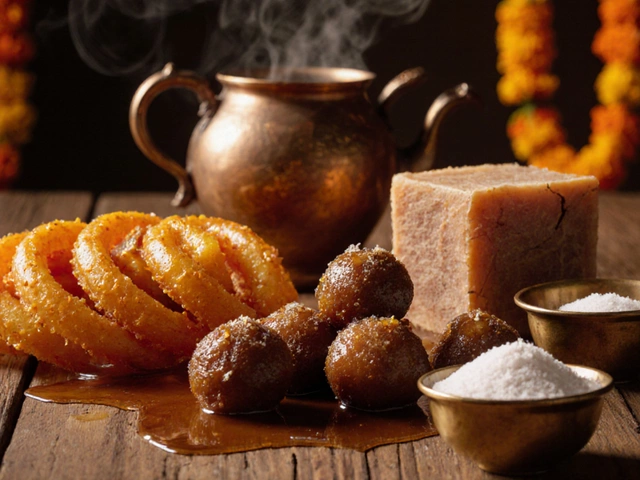
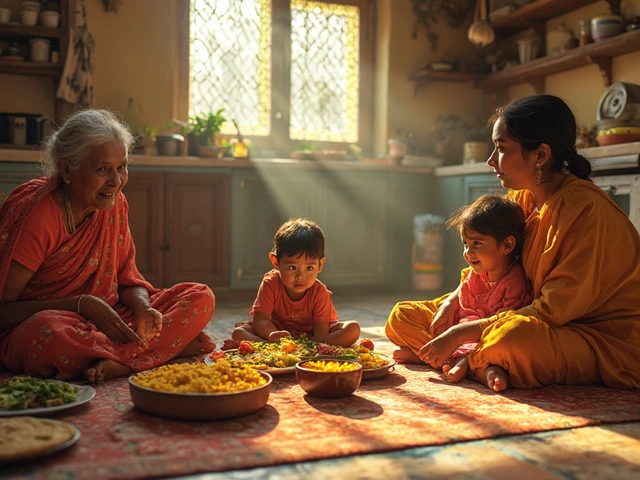
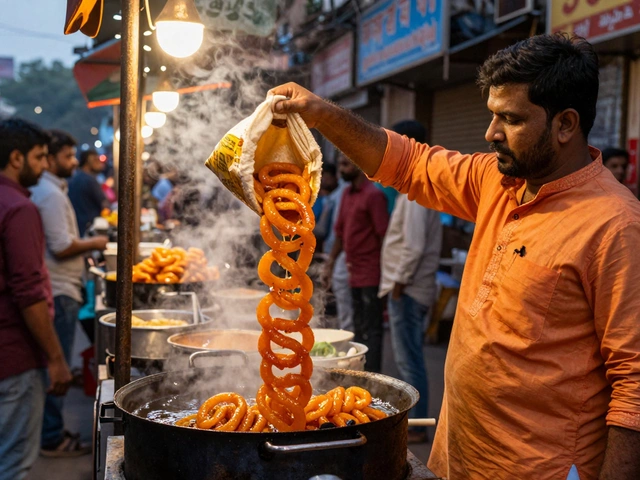
What makes Indian vegetarian food healthy isn’t a single ingredient—it’s the balance. A meal of roti, dal, sautéed greens, and a spoon of yogurt doesn’t need to be labeled "healthy" to be good for you. It’s the absence of deep-frying, the use of whole grains, the reliance on spices like turmeric and coriander for anti-inflammatory benefits, and the way meals are built around vegetables, not just carbs. You won’t find many Indian vegetarian dishes that rely on cream, cheese, or sugar as the main flavor—unless you’re eating dessert. And even then, traditional sweets like jaggery-based laddoos use unrefined sweeteners.
What you’ll find in the posts below are the real stories behind the food: how to pick the best oil for dosa, why soaking dal matters, which curry is actually good for you, and how to make paneer taste better without drowning it in cream. You’ll learn what to order at restaurants and what to skip. You’ll see how apples in India are safe to eat if washed right, and why the shape of roti isn’t tradition—it’s physics. These aren’t abstract ideas. They’re practical fixes, real tips, and clear answers from people who cook this food every day.
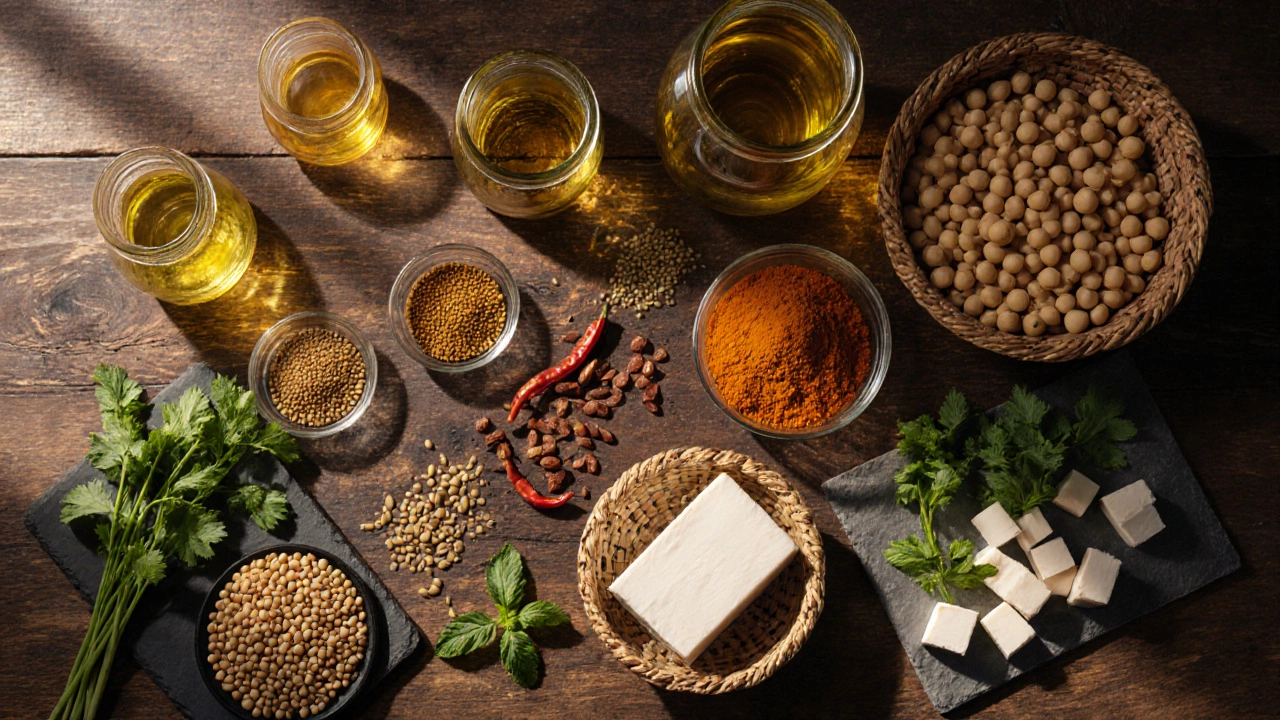
Discover the best vegetarian Indian dishes, from classic curries to tasty snacks, with easy recipes, tips, and a handy checklist for flavorful home cooking.