Grocery Store Essentials for Authentic Indian Cooking
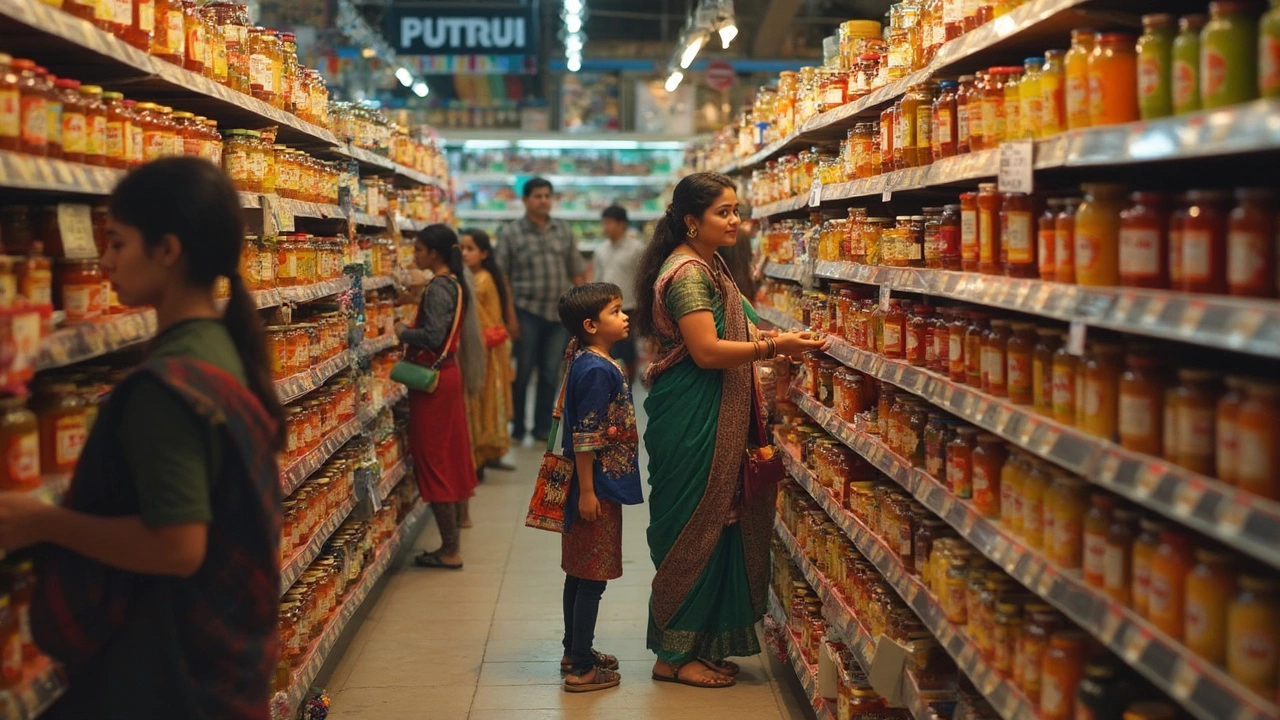
When you walk into a grocery store, a place where everyday cooking ingredients are sourced for home meals. Also known as food market, it's where your Indian kitchen starts—not with fancy gadgets, but with the right staples. You don’t need to hunt down obscure markets to make dal tadka, paneer tikka, or crispy dosa. Just know what to look for on the shelves.
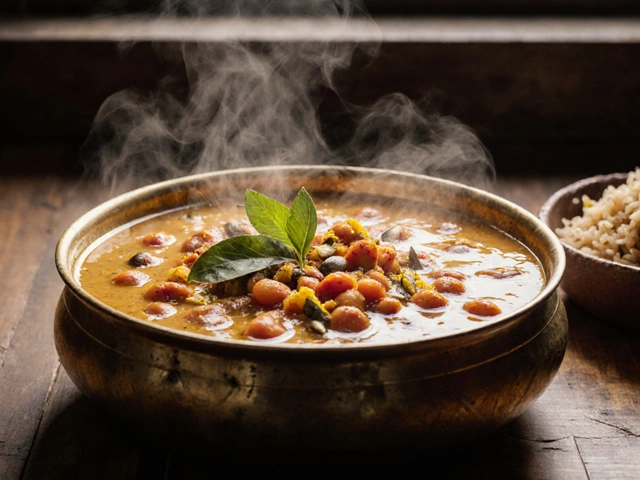
The real magic happens with a few core items: paneer, a fresh, non-melting cheese made from milk and acid. Also known as Indian cottage cheese, it’s the backbone of dishes like paneer butter masala and palak paneer. You can buy it pre-made, but learning how much milk you need to make it at home (around 4 liters for 250g of paneer) saves money and boosts flavor. Then there’s dal, dried lentils that form the base of India’s most common daily meal. Also known as lentils, they come in yellow, red, black, and green—each needing different soaking and cooking times to avoid mush or hardness. Skip the pre-cooked versions. Whole dal tastes better and digests easier when soaked properly.
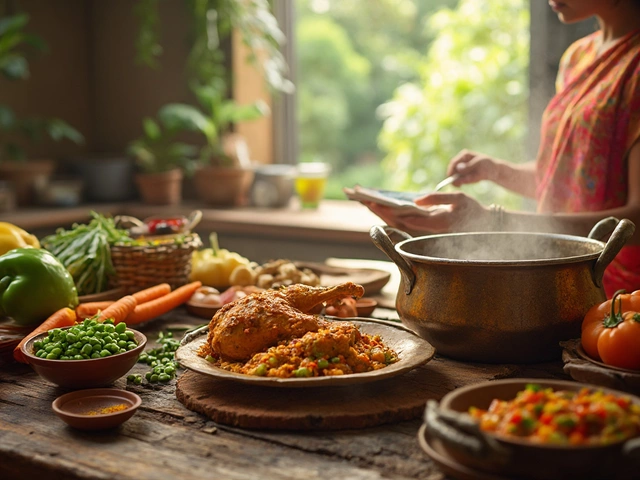
Spices are where most people get lost. You don’t need 20 jars. Start with cumin, coriander, turmeric, garam masala, and red chili powder. These five cover 80% of Indian dishes—from tandoori chicken to chana masala. The black color inside your tandoori chicken? That’s not burn—it’s caramelized spices and charcoal heat. You get that flavor from proper spice blends, not from overcooking. And don’t forget yogurt, a key marinade ingredient for tenderizing meat and paneer. Also known as curd, it’s not just for raita—it’s essential for juicy tandoori chicken and paneer that doesn’t turn rubbery. Skip rinsing it off before cooking. That yogurt is your flavor carrier.
For sweets, jaggery beats white sugar. It’s not just a substitute—it’s the traditional sweetener in mysore pak and gulab jamun. White sugar works in a pinch, but jaggery adds depth. And for dosa, groundnut oil or coconut oil isn’t optional. It’s what gives you that crisp, golden edge. Olive oil? It’ll ruin the texture.
Every post in this collection comes from real kitchens—yours included. Whether you’re wondering why roti has to be round, how long to soak dal, or which oil makes the best dosa, the answers are all tied to what’s in your grocery store. You don’t need a specialty shop. You just need to know what to pick up. Below, you’ll find clear, no-fluff guides on exactly that: the ingredients, the why behind them, and how to use them so your food tastes like it came from a street stall in Mumbai or a home kitchen in Punjab.