Why Is My Dosa Not Turning Brown? Top Causes and Fixes
Learn why your dosa stays pale and fix it with easy steps. From fermentation to heat, ingredient ratios, and pro tips for golden‑brown dosas.
When you're making dosa, a thin, fermented rice and lentil crepe from South India that’s crispy on the outside and soft inside. Also known as dose, it’s one of India’s most loved breakfasts and snacks. But getting it right isn’t just about the recipe—it’s about timing, heat, and oil. Most people fail because they skip the small stuff: how long the batter ferments, what oil to use, or how hot the pan really needs to be.
The secret to a perfect dosa starts with dosa batter fermentation, the natural process where microbes break down starches and create air bubbles that make the batter light and sour. Also known as fermented rice batter, it needs at least 8 to 12 hours in warm weather, and up to 18 in winter. If your batter doesn’t rise or smells flat, no amount of oil will save it. Then there’s best oil for dosa, the type of fat that turns the surface golden and crisp without burning. Groundnut and coconut oil are the winners—not butter, not olive oil, not sunflower oil. They have high smoke points and add flavor that sticks to the dosa. Use too little, and it sticks. Use too much, and it turns greasy. A thin, even coat, brushed right before pouring the batter, is all you need.
Heat is another thing people mess up. The tawa (griddle) has to be hot—not smoking hot, but hot enough that a drop of water sizzles and dances. If it’s too cold, the dosa soaks up oil and turns rubbery. If it’s too hot, the edges burn before the center sets. You want that even, golden-brown color with a few dark spots—that’s caramelized batter, not burnt. And don’t flip it. Dosa doesn’t need flipping. You cook it on one side until it lifts easily, then fold or roll it while still on the pan.
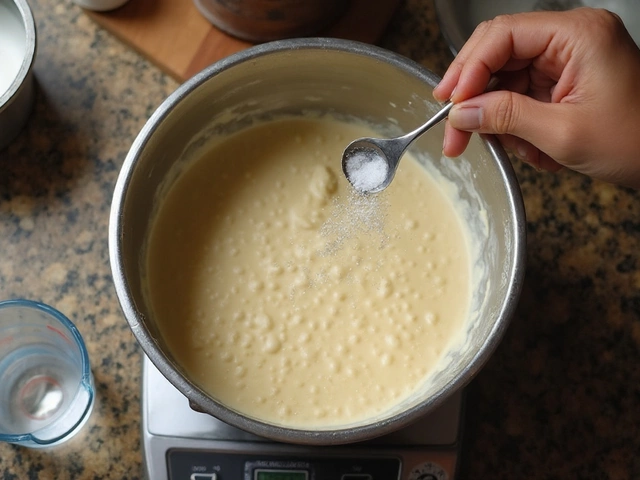
There’s also the matter of batter consistency. It should be like thin cream—thick enough to hold shape but runny enough to spread with a gentle swirl of the ladle. If it’s too thick, your dosa will be doughy. If it’s too thin, it’ll tear. Adjust with water, not more rice or lentils. And always let the batter rest again for 15 minutes after stirring, even if it’s been fermented overnight. That gives the starch time to rehydrate evenly.
You’ll find posts here that break down exactly how long to ferment your batter, why coconut oil works better than ghee, and what to do if your dosa sticks even with oil. There are tips for making dosa in a non-stick pan, how to fix over-fermented batter, and why adding a pinch of salt after fermentation helps. These aren’t vague suggestions. These are the tricks used by South Indian home cooks who’ve made hundreds of dosas—and know exactly what works.
Stop guessing. Stop blaming your pan. The next perfect dosa isn’t about luck—it’s about knowing these details. Below, you’ll find real, tested advice from people who’ve been there. No fluff. No theory. Just what actually makes a crispy, flavorful dosa that holds up to chutney and sambar.
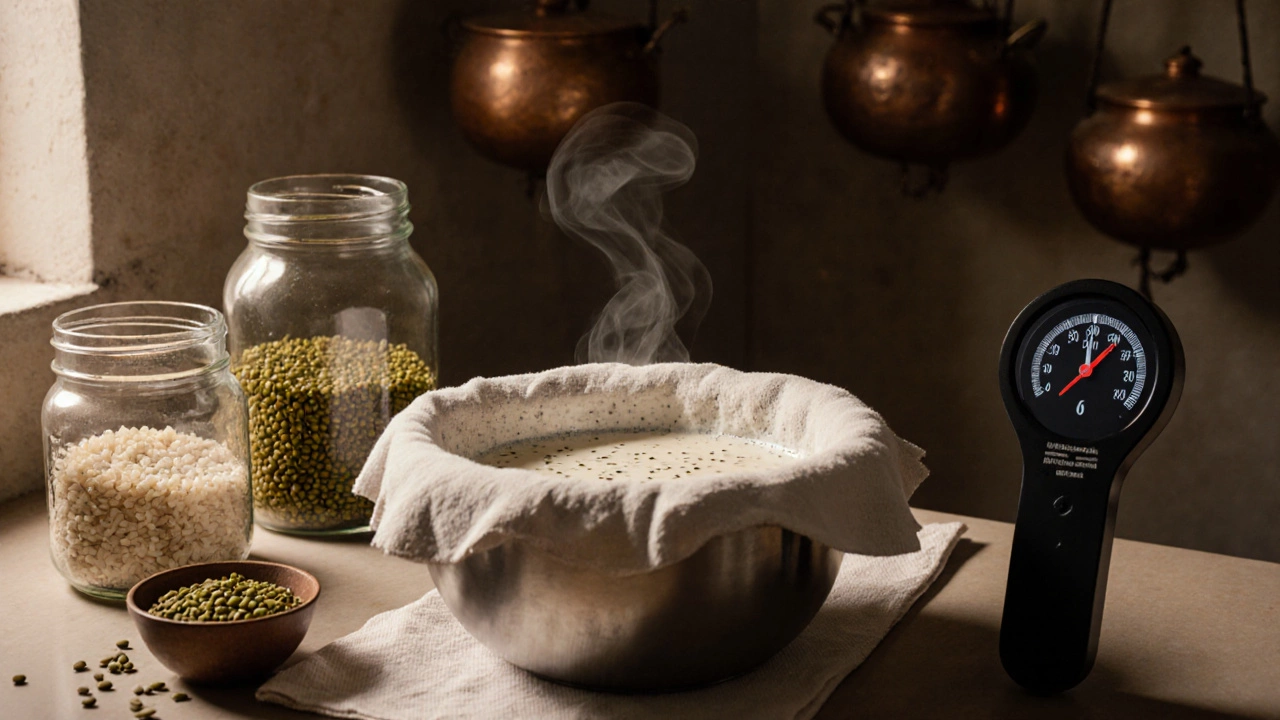
Learn why your dosa stays pale and fix it with easy steps. From fermentation to heat, ingredient ratios, and pro tips for golden‑brown dosas.