Dosa: The Crispy South Indian Staple with Perfect Batter, Fermentation, and Best Oil
When you think of dosa, a thin, crispy fermented rice and lentil pancake from South India, often served with coconut chutney and sambar. Also known as dose, it’s one of India’s most beloved breakfasts—and one of the most misunderstood. It’s not just batter fried on a griddle. A real dosa needs time, temperature, and the right oil to turn fluffy inside and crisp outside. Skip the fermentation, use the wrong fat, or rush the process, and you’re just eating a flat rice cake. But get it right? You get that signature crackle, the slight tang, the way it holds chutney without falling apart.
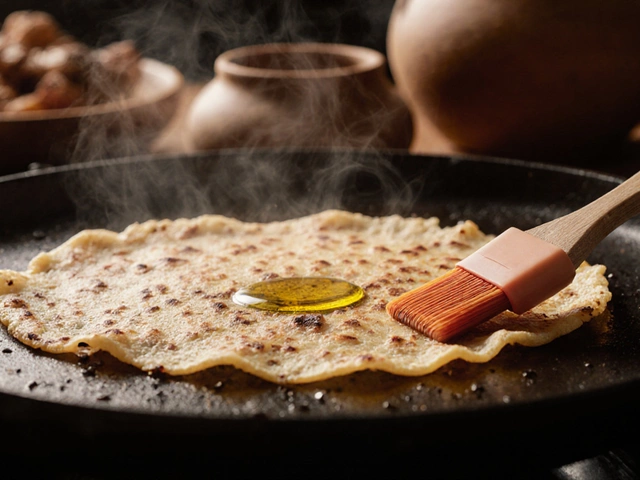
The magic starts with dosa batter, a mixture of soaked rice and urad dal ground into a smooth, airy paste that ferments naturally over 8 to 12 hours. This isn’t store-bought mix territory. The fermentation isn’t optional—it’s the soul of the dosa. Cold kitchen? It’ll take longer. Hot day? It might be ready in 6 hours. The batter should double in volume, smell slightly sour, and bubble like soda. If it doesn’t, your dosa won’t puff, won’t crisp, and won’t taste right. And when you’re ready to cook, the oil matters just as much. groundnut oil, a neutral, high-smoke-point oil commonly used in South Indian kitchens for frying dosas. It lets the batter brown evenly without burning. Coconut oil adds a subtle sweetness and extra crunch. Olive oil? Butter? Skip it. They’ll make your dosa greasy or bitter.
There’s no single way to make a dosa, but there are clear right and wrong ways. The batter needs rest. The pan needs to be hot enough. The oil needs to be just right—not too little, not too much. And while you might see dosa served with chutney or sambar, it’s the texture that defines it: thin, lacy edges, a soft center, and that unmistakable crunch when you bite through. This collection of posts dives into every detail—how long to ferment, which oil gives the crispiest result, what to do if your batter won’t rise, and why some dosas turn out chewy while others shatter perfectly. Whether you’ve tried making it once and failed, or you’ve been at it for years, you’ll find the fixes, the tricks, and the truths behind what makes a dosa unforgettable.