What Is Chutney? Definition, Types & Easy Recipes
Discover what chutney is, its origins, key ingredients, popular Indian varieties, and three easy recipes you can make at home in minutes.
When you think of chutney ingredients, the core components that give Indian chutneys their bold, balanced flavor. Also known as chutney bases, these aren't just condiments—they're flavor engines that lift entire meals. A good chutney isn't sweet or sour on its own—it’s the quiet hero that ties together spicy samosas, crispy dosas, and plain rice. You won’t find one single recipe. Instead, you’ll find regional variations built on a few key players: tamarind, mint, coconut, garlic, chili, and roasted spices.
Take tamarind, a sour fruit pulp used in South Indian and North Indian chutneys alike. It’s not just for tang—it brings depth, body, and a natural sweetness that sugar can’t mimic. Then there’s mint, the fresh, cooling herb that defines the green chutney served with chaat and pakoras. It’s blended with cilantro, green chilies, and a pinch of cumin, never boiled. Heat kills its brightness. coconut, especially in Kerala and Karnataka, turns into a creamy, nutty base when grated and blended with roasted lentils and dried red chilies. These aren’t random choices. Each ingredient is picked for how it balances heat, sourness, and texture.
What makes Indian chutneys different from Western sauces? They’re meant to be eaten fresh. Most don’t last more than a day or two. That’s why you won’t find preservatives or vinegar in traditional recipes—just salt, sugar, lemon, and the natural acidity of fruit or yogurt. The chutney you get at a street stall in Mumbai isn’t the same as the one made in a home in Chennai. One might use jaggery; the other uses raw mango. One grinds roasted peanuts; the other skips them entirely. But they all follow the same rule: balance first, flavor second.
You’ll find all these variations in the posts below—how to make coconut chutney without a blender, why tamarind needs soaking, how to tell if your mint chutney went bad, and why garlic is non-negotiable in some regions but banned in others. No fluff. No fancy techniques. Just the real chutney ingredients, used the way they’ve been for generations, and why they work.
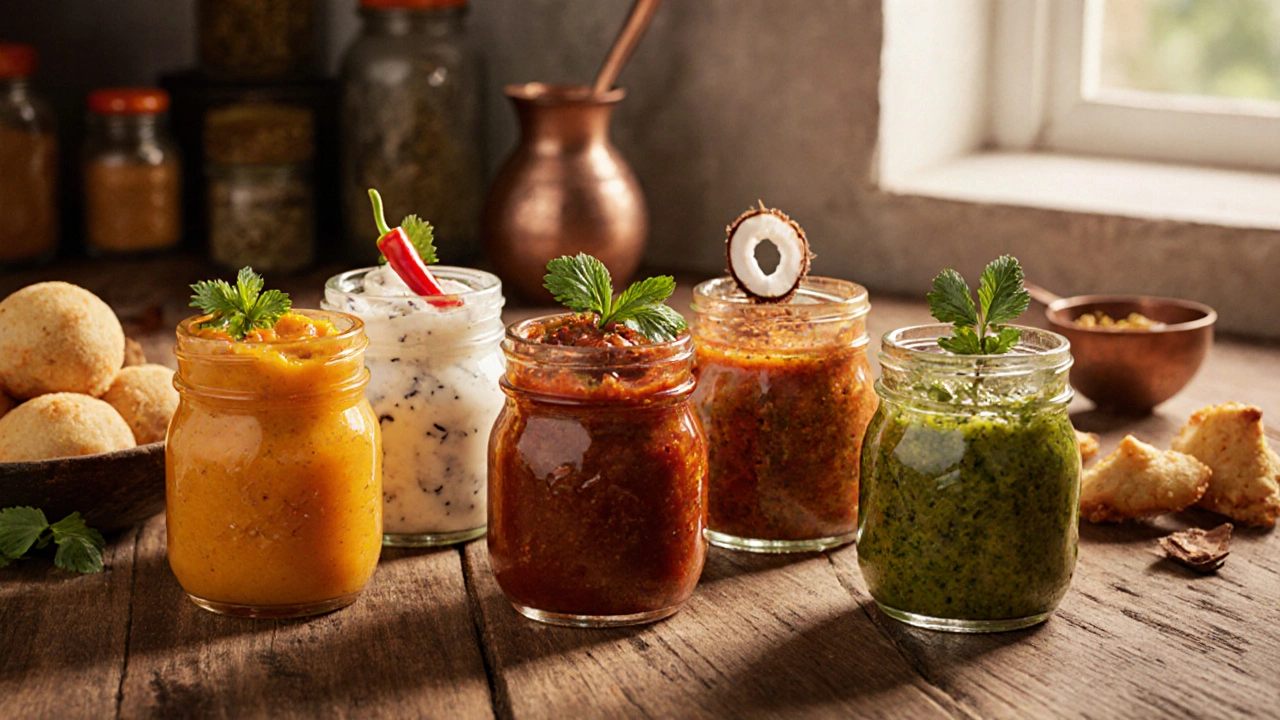
Discover what chutney is, its origins, key ingredients, popular Indian varieties, and three easy recipes you can make at home in minutes.
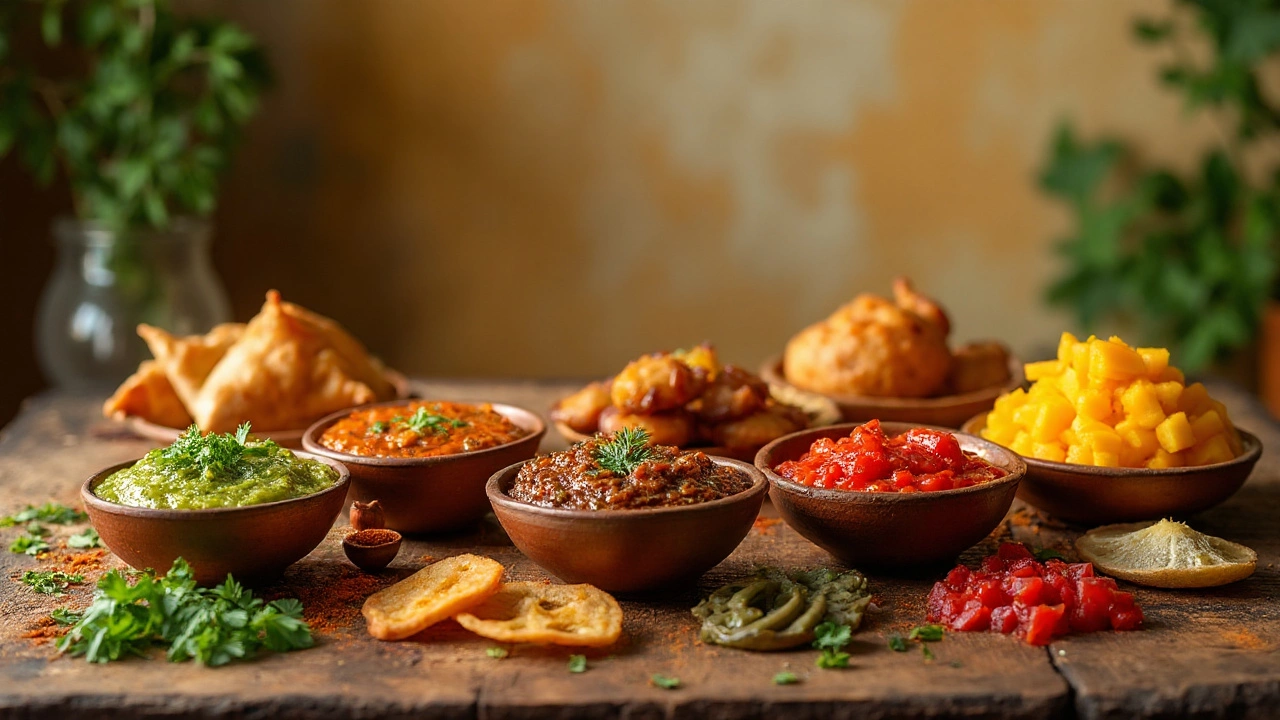
Curious about chutney? Discover what chutney tastes like, the variety of ingredients, and how to enjoy this classic condiment in your daily meals.