Chana Masala: The Bold, Spicy Chickpea Dish That Defines Indian Home Cooking
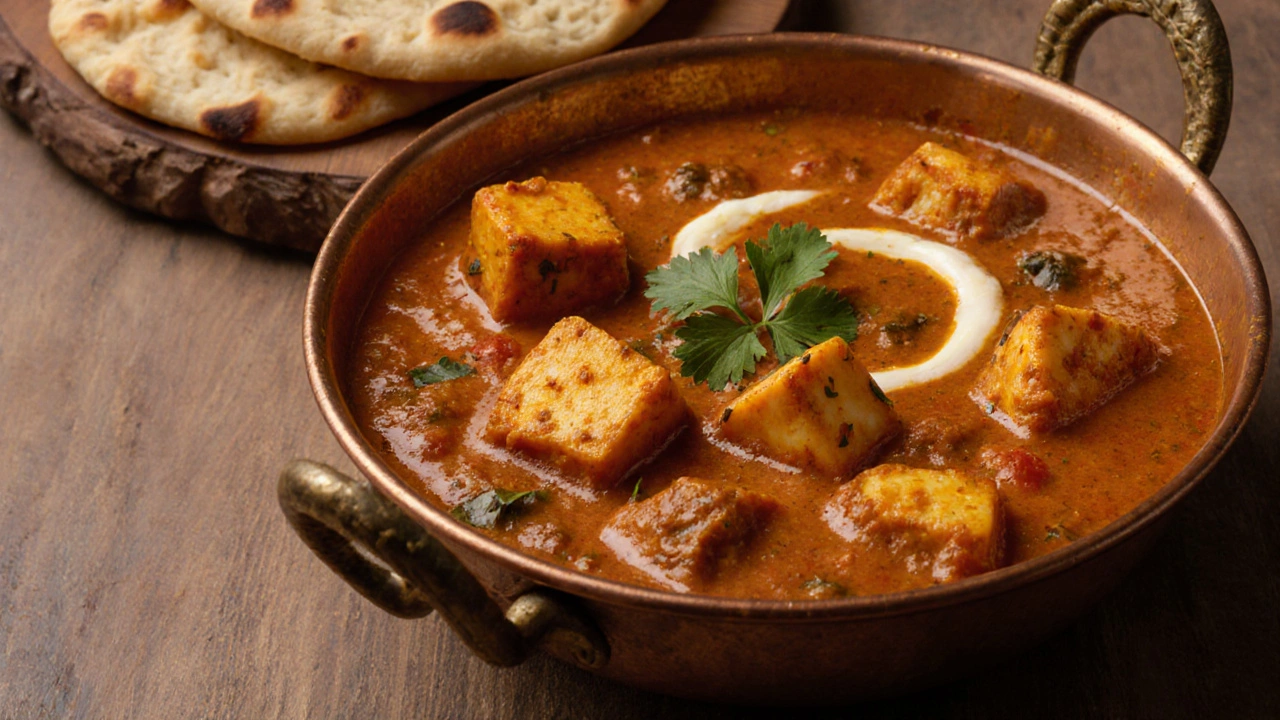
When you think of chana masala, a vibrant, spicy chickpea curry from North India, often served with rice or flatbread. Also known as chhole, it’s not just a dish—it’s a flavor explosion built on toasted spices, tangy tamarind, and earthy chickpeas. This isn’t your average bean dish. It’s the kind of meal that starts with onions sizzling in oil, then explodes with cumin, coriander, amchoor, and black salt—each spice layered like a story you can taste.
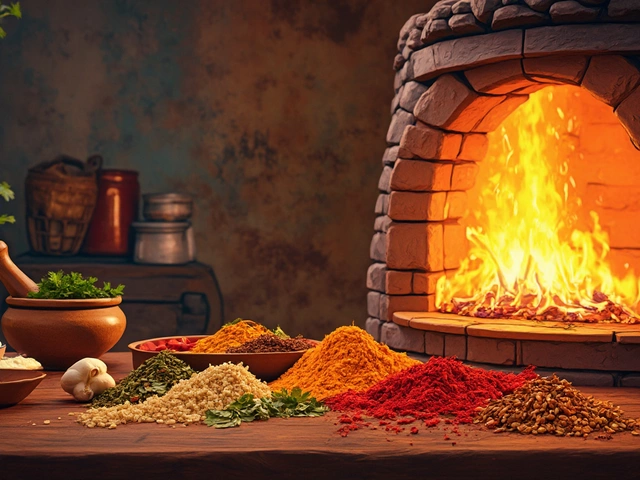
What sets chana masala apart from other Indian curries is its dry-ish texture and punchy acidity. Unlike creamy butter chicken or coconut-based curries, it’s meant to cling to roti, not drown it. The magic lies in the spice blend—chana masala powder, a mix of dried mango powder, black salt, and roasted cumin—isn’t something you’ll find in a jar at the grocery store. Most home cooks make it fresh, toasting whole spices and grinding them just before cooking. That’s why restaurant versions often taste different—they skip the roast, use pre-ground powder, and lose the depth.
It’s also a dish that’s deeply tied to vegetarian Indian dishes. With over 400 million vegetarians in India, meals like this aren’t just alternatives—they’re the main event. Chickpeas give you protein, the spices aid digestion, and the tanginess cuts through heaviness. It’s the kind of dish that shows up at family dinners, street stalls in Delhi, and lunchboxes in Punjab. And unlike fancier curries, you don’t need fancy tools. Just a pot, some oil, and patience to let the spices bloom.
You’ll find chana masala in many of the posts below because it’s one of those dishes that invites questions: Why does it taste better the next day? Can you use canned chickpeas? Is it okay to skip the amchoor? The recipes here don’t just tell you how to make it—they explain why each step matters. Whether you’re new to Indian cooking or you’ve been stirring pots for years, you’ll find tips on getting that perfect crust on the chickpeas, how to balance sour and spicy, and what to serve with it so nothing feels like an afterthought.
There’s no single way to make chana masala. In Punjab, it’s thick and rich. In Maharashtra, it’s sharper with more black salt. In some homes, they add ginger-garlic paste. In others, they skip it entirely. The variation isn’t a flaw—it’s the point. This dish adapts, survives, and thrives. And that’s why, after decades of being cooked in kitchens across India, it still tastes like home. Below, you’ll find real, tested ways to make it work for you—no guesswork, no fluff, just the methods that actually deliver.