Cardamom in Indian Cooking: How This Spice Shapes Flavor, Health, and Tradition
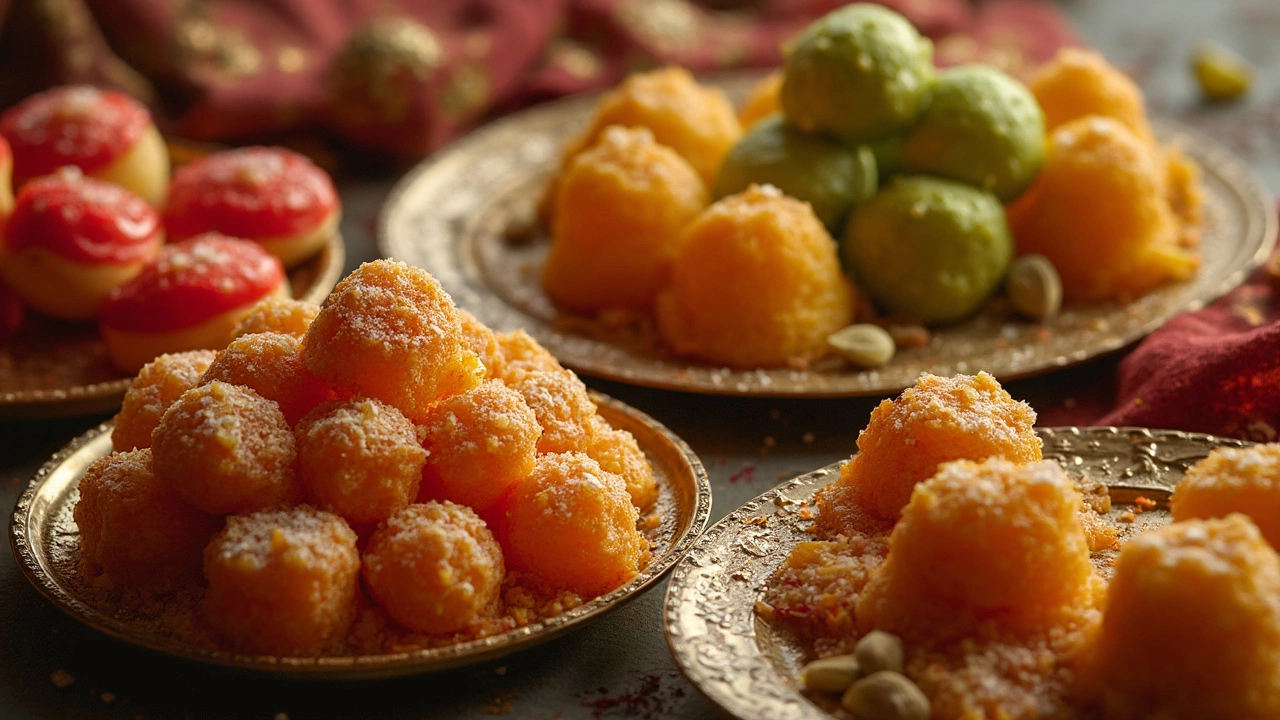
When you think of Indian food, you might picture cumin, turmeric, or chili—but cardamom, a fragrant, podded spice native to India and used in both sweets and savory dishes. Also known as elaichi, it’s the quiet powerhouse behind everything from masala chai to gajar ka halwa. Unlike other spices that shout, cardamom whispers—adding depth, sweetness, and a floral lift that makes dishes feel complete. It’s not just flavor; it’s tradition in every pod.
There are two main types you’ll find in Indian kitchens: green cardamom, small, sweet, and aromatic, used in desserts, drinks, and rice dishes, and black cardamom, larger, smoky, and earthy, often found in meat curries and biryanis. Green cardamom is what you crush for chai or grind into ladoos. Black cardamom is the one you toss whole into hot oil at the start of cooking—its smoky aroma rises like incense and clings to every bite. You wouldn’t swap them. One is the soul of a dessert; the other, the backbone of a slow-cooked stew.
Cardamom doesn’t just taste good—it’s been part of Ayurveda for centuries. It helps digestion, calms bloating, and even freshens breath. That’s why it’s often chewed after meals in India, not just cooked in food. It’s also why you’ll find it in homemade masalas, spice blends like garam masala, and even in pickles and lentil dishes. It’s not an accent—it’s a foundation.
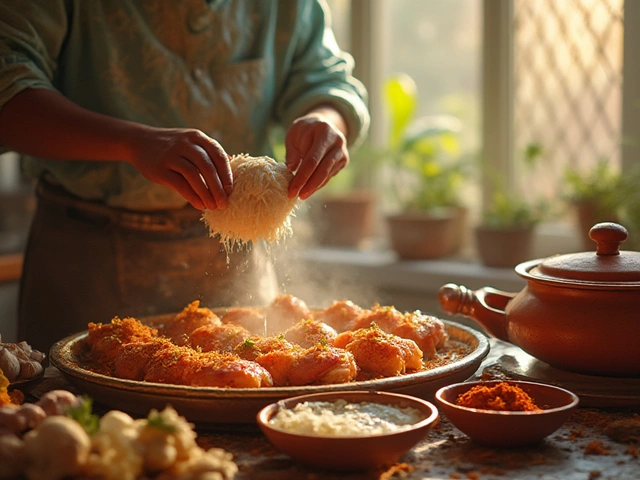
Look at the recipes here. You’ll see cardamom in biryani, in paneer dishes, in sweet syrups, and even in dosa batter in some regions. It’s in the background of tandoori marinades, subtly lifting the smoke and yogurt. It’s not always listed first, but it’s almost always there. Skip it, and the dish feels flat. Use it right, and it ties everything together.
Whether you’re making a simple dal tadka or a festive dessert, cardamom is the ingredient that turns good into unforgettable. And the best part? You don’t need much. A single pod, lightly crushed, can change the whole character of a dish. This isn’t about quantity—it’s about knowing when and how to let it shine.