How to Boil Rice for Biryani: Perfect Grain, Every Time
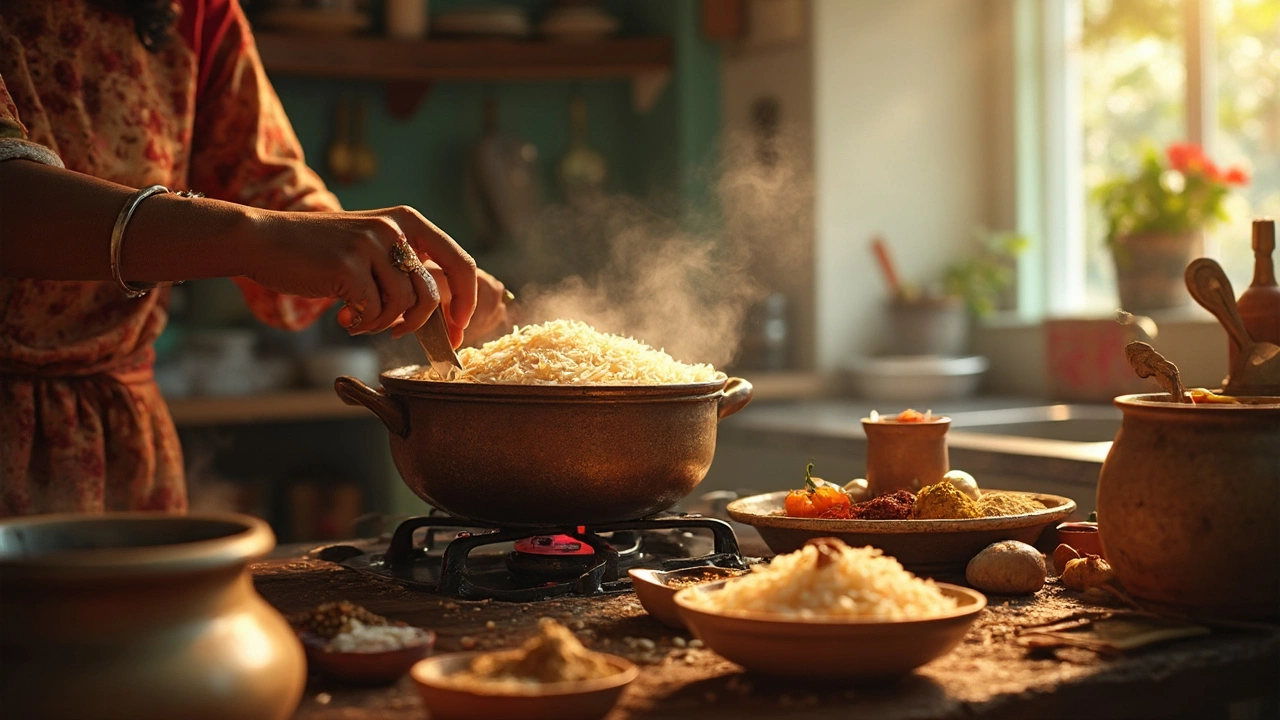
When you're making boil rice for biryani, the foundation of every great biryani is the rice itself—not the spices, not the meat, not even the layering. It’s the rice that carries the flavor and texture through the whole dish. Also known as parboiled basmati rice, this step isn’t just a step—it’s the make-or-break moment. Get it wrong, and your biryani turns into a sticky mess. Get it right, and each grain stays separate, fragrant, and perfectly al dente, ready to soak up the spices and steam from the meat or veggies above.
The secret isn’t in the pot or the heat—it’s in the prep. Most people skip soaking the rice, or boil it too long, or use the wrong kind. But real biryani starts with basmati rice, a long-grain variety known for its aroma and ability to stay separate after cooking. Also known as Indian long-grain rice, it’s the only type that works for traditional biryani. You need to soak it for 30 minutes before boiling. That’s not optional. Soaking lets the grains absorb water evenly so they cook uniformly. Skip it, and half the rice will be underdone while the other half turns to paste. Then, you boil it in salted water—just enough to cover the rice, no more. Bring it to a rolling boil, then cook for 5 to 6 minutes, not 10. You’re not cooking it all the way; you’re parboiling it. The rice should still have a hard center when you drain it. That’s how you know it’s ready to finish cooking in the biryani pot with steam and heat.
And don’t forget the water-to-rice ratio. Too much water? You’ll end up with soggy rice. Too little? It’ll be crunchy in the middle. For every cup of soaked basmati rice, use 1.5 cups of water. Add a pinch of salt and a teaspoon of oil. The oil keeps the grains from sticking together. Some people add a whole cardamom or a bay leaf to the water—it’s not tradition, but it helps. The real trick? Taste the rice before draining. It should feel firm, like a slightly undercooked pasta. That’s the texture you want.
What you do after boiling matters too. Drain it fast. Don’t let it sit in the hot water. Spread it on a tray to cool for a few minutes. That stops the cooking process and keeps the grains separate. If you’re making chicken biryani, lamb biryani, or even vegetable biryani, this step is the same. The rice doesn’t need to be perfect—it just needs to be ready to finish cooking slowly with the rest of the ingredients.
People think biryani is about layers and spices and saffron. It is. But none of that matters if the rice is wrong. The best biryani in the world falls apart if the grains are mushy. That’s why every chef who makes real biryani spends more time on boiling rice than on marinating meat. It’s not magic. It’s physics. Heat, water, time, and grain structure. Get those right, and everything else follows.
Below, you’ll find real tips from people who’ve made hundreds of biryanis—how to fix undercooked rice, why some brands of basmati work better than others, and how to adjust for altitude or hard water. No fluff. Just what works.