Best Rice for Biryani: Unlocking Perfect Flavor and Aroma
Curious which rice makes biryani unforgettable? Dive into the secrets, data, and tips for choosing, cooking, and elevating biryani with the best grains.
When you think of biryani, a layered rice dish from India with meat, spices, and saffron-infused rice. Also known as biriani, it’s more than just rice and meat—it’s a slow-cooked ritual that balances heat, aroma, and texture. Too many people make biryani and wonder why it falls flat. It’s not the recipe. It’s the little things they skip.
Start with the rice. Basmati isn’t just a suggestion—it’s non-negotiable. But soaking it for 30 minutes? That’s the first real biryani spices, whole spices like cardamom, cloves, and cinnamon toasted in ghee to unlock deep flavor. Most skip toasting. They dump ground spices straight in. Big mistake. Toasted whole spices release oils that cling to the rice and stay with you long after the meal. Then there’s the layering. It’s not just rice on meat. It’s rice, then meat, then fried onions, then more rice, then saffron milk, then herbs. Each layer matters. Skip the fried onions? You lose the crunch and the sweetness that cuts through the spice.
And don’t rush the resting. People take the lid off right after cooking. That’s when all the steam escapes, and the flavor dies. Let it sit, covered, for 20 minutes. That’s not a suggestion—it’s physics. The trapped steam finishes cooking the rice gently, lets the spices settle into every grain, and makes the bottom layer crispy without burning. This is the same trick used in tandoori chicken to get that perfect char without drying out the meat.
Yogurt in the marinade? Don’t rinse it off. The acid tenderizes, the fat carries flavor, and the proteins help the spices stick. Same goes for the rice water. Don’t throw it out. That starchy water? It’s glue. A splash in the rice before layering helps the grains cling just enough—not sticky, not dry. And saffron? Don’t just drop threads in. Soak them in warm milk for 10 minutes first. That’s how you get color that spreads, not spots.
There’s no magic ingredient. No secret spice blend sold in jars. What makes biryani unforgettable is timing, temperature, and patience. You can’t rush the frying of onions. You can’t skip the soaking. You can’t skip the resting. These aren’t steps—they’re rules. And every post in this collection breaks down exactly how to get them right: how to toast spices without burning them, how much water to use for perfect rice, why layering order changes the taste, and how to fix soggy biryani when it happens.
What you’ll find below aren’t just recipes. They’re fixes. Real solutions from people who’ve burned it, undercooked it, and over-salted it—and learned how to do it better. Whether you’re making chicken biryani for the first time or tweaking your family’s 50-year-old version, these tips turn guesswork into confidence.
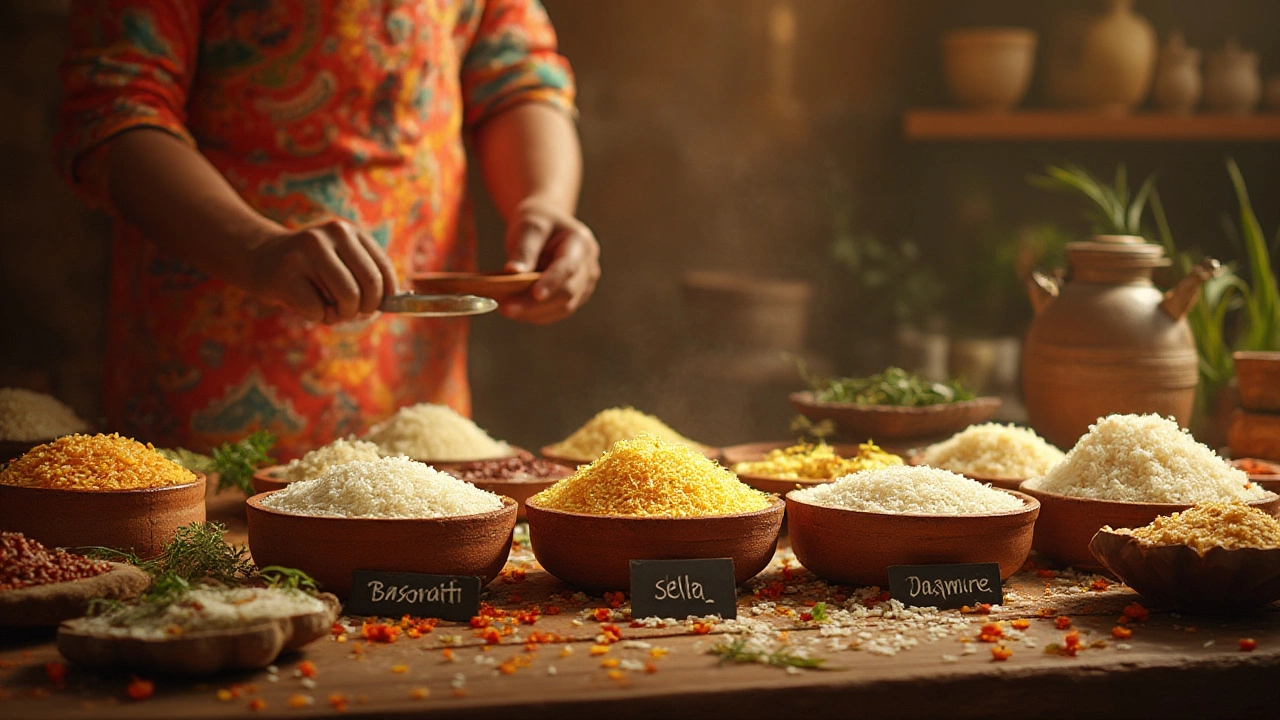
Curious which rice makes biryani unforgettable? Dive into the secrets, data, and tips for choosing, cooking, and elevating biryani with the best grains.
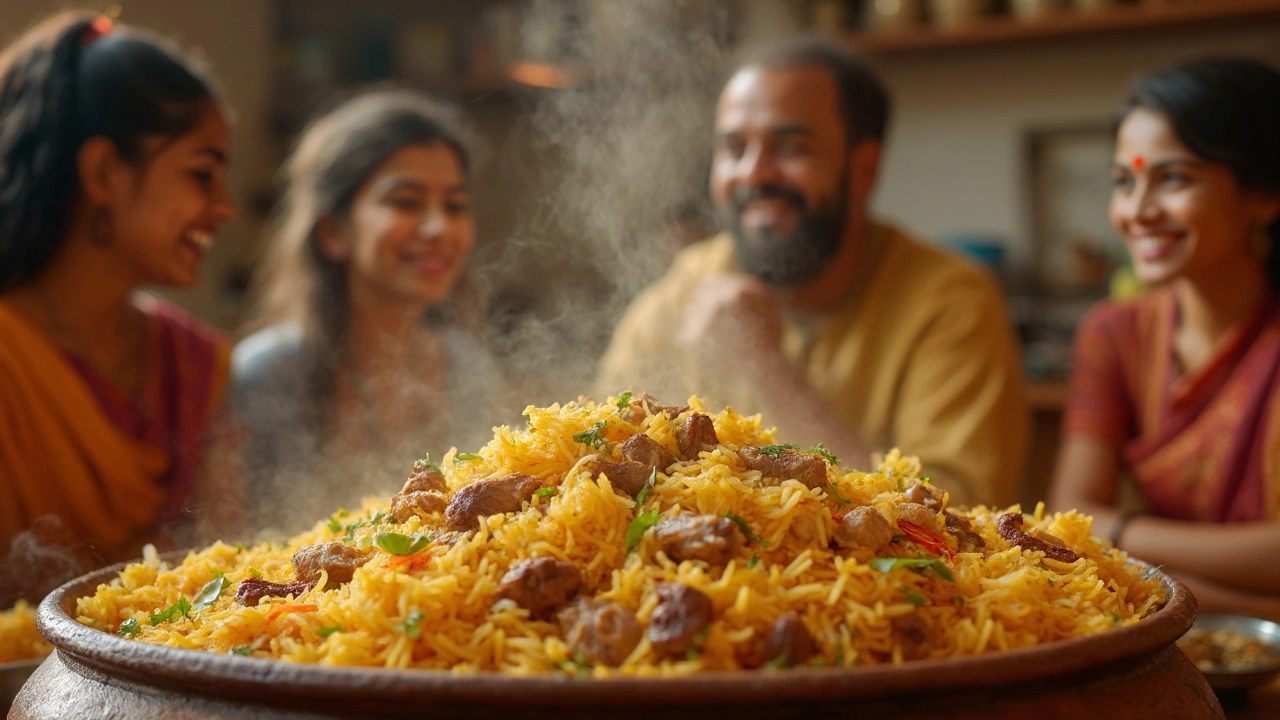
Ever had biryani that's dry and crumbly instead of moist and flavorful? This article breaks down what actually makes biryani juicy, from the type of rice and marination tricks, to layering methods and moisture balance. Expect down-to-earth tips you can use right away while cooking at home. Whether you're a beginner or a biryani pro, you'll learn hacks to avoid bland or parched results. Get ready for practical advice that’ll leave everyone licking their plates.